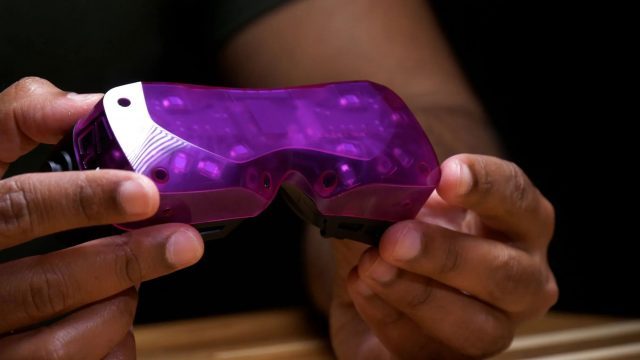
Bigscreen unveiled a new ‘VRChat Edition’ of its slim and light Beyond 2e PC VR headset, which the company says is specifically designed for die-hard users of VR’s most popular social platform.
Bigscreen began shipping the first production units of Beyond 2 late last month, which includes both the standard Beyond 2 and its eye-tracking enabled variant, Beyond 2e.
Now, the company announced it’s also launching an exclusive VRChat Edition of the Beyond 2e, slated to start shipping out sometime in September 2025.
As far as specs go, the VRChat Edition is virtually the same as the standard Beyond 2e, including it eye-tracking sensors, 2,560 × 2,560 micro-OLED displays, and 116° diagonal FOV, thanks to the inclusion of new pancake lenses—all of it weighing in at 107g.
Image courtesy Bigscreen
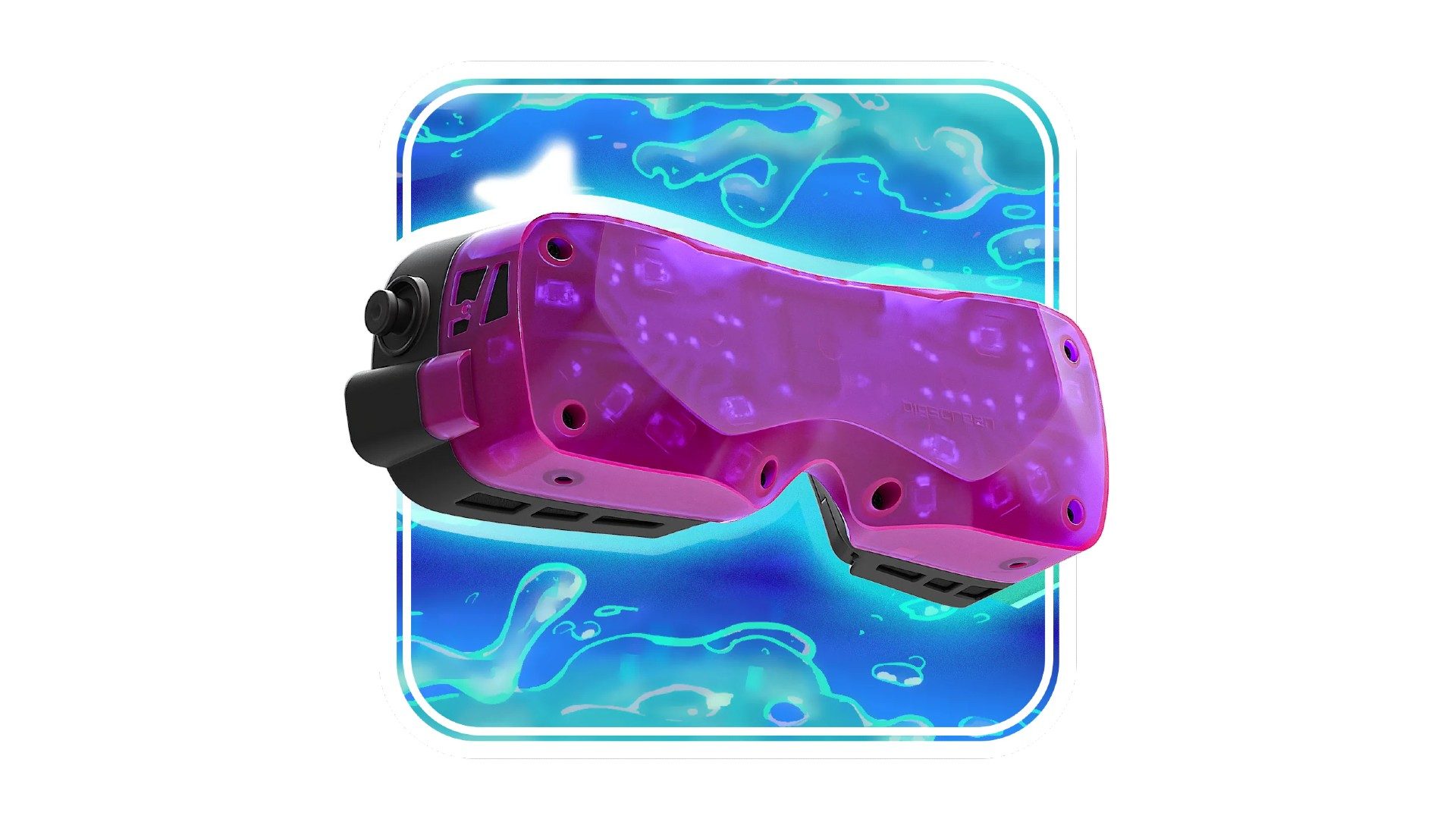
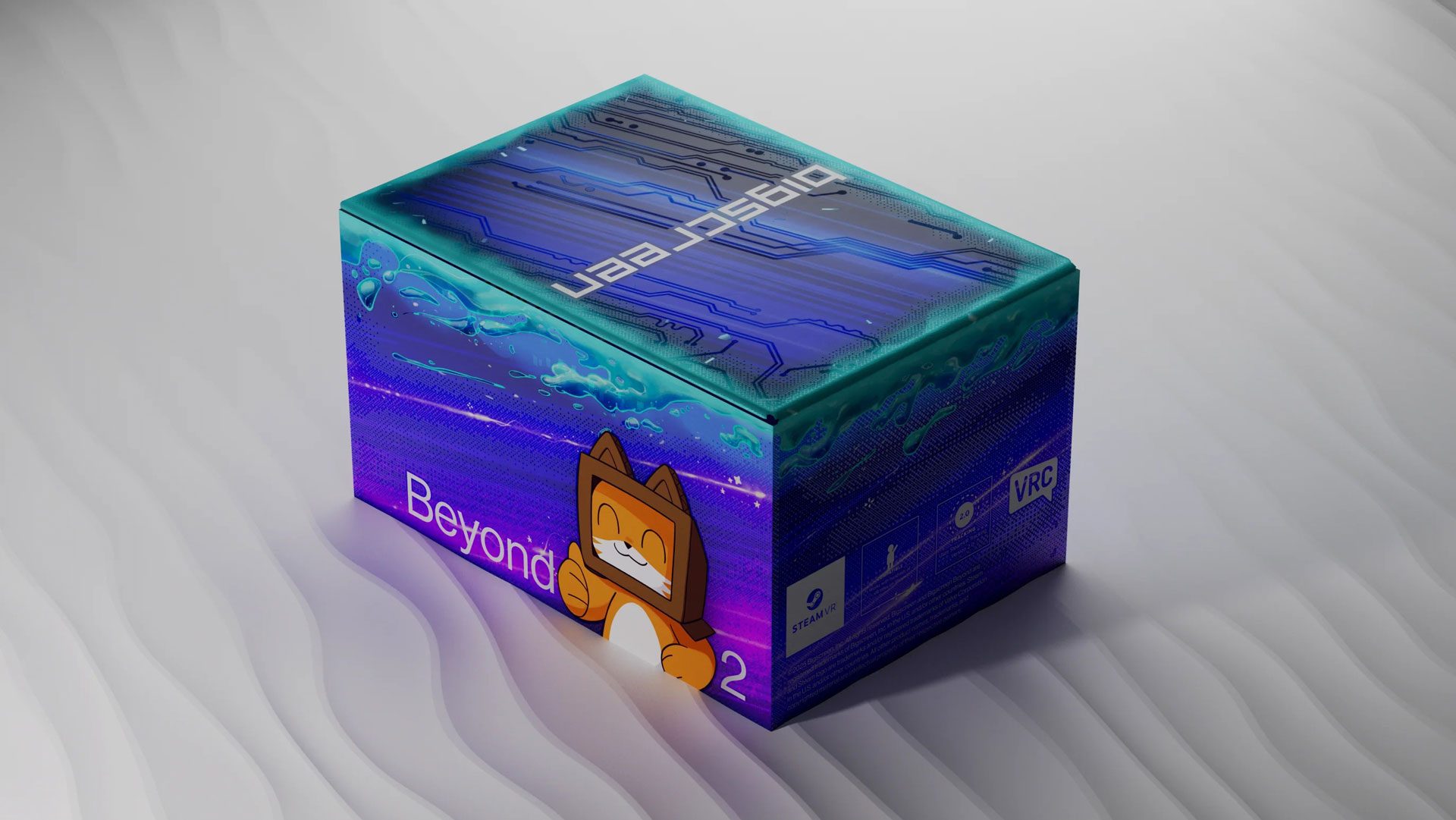
Now available for pre-order for $1,269—just $50 more than the standard Beyond 2e—the upcoming VRChat Edition does however promise a few differences, notably including a translucent Atomic Purple shell and hand-drawn packaging artwork.
Note: you’ll need a VR-ready PC to run any of Bigscreen’s headsets, including the new Beyond 2e VRChat Edition, as well as SteamVR base stations, controllers, and optional trackers for body tracking in VRChat. Find out here if your PC is VR-ready.
Image courtesy Bigscreen
Purchase also includes exclusive VRChat digital items, including VRChat stickers and badges for profiles. Bigscreen says more features are planned for the VRChat Edition in the future, which includes including “some rare giveaway drops.”
While orders are slated to start shipping in September, current preorder holders can actually request an upgrade to the VRChat Edition by contacting support (support@bigscreenvr.com).
In the meantime, you can check out a deep dive with Bigscreen founder and CEO Darshan Shankar and VRChat Head of Community Tupper in an hour-long discussion that touches on everything from the improvements in Bigscreen’s latest headset, to why eye-tracking is important in VRChat.
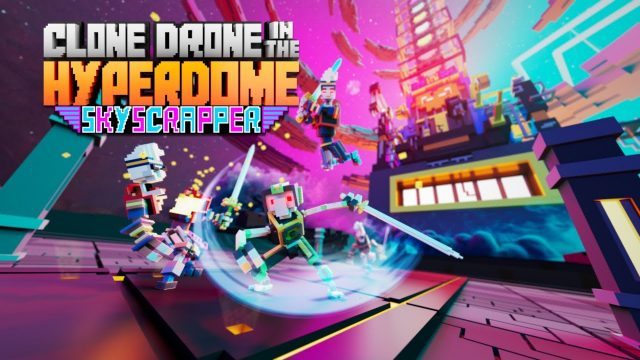
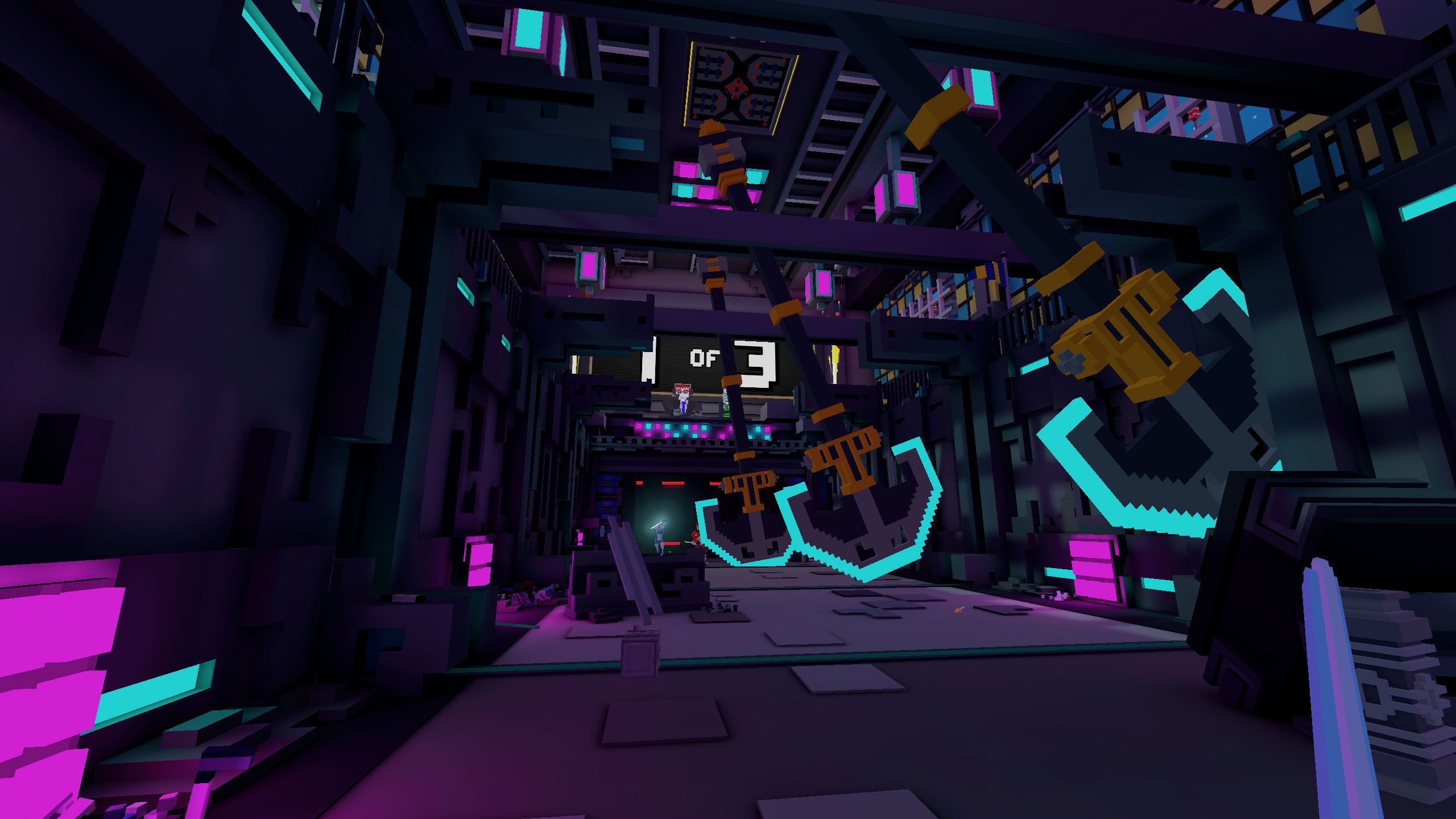
Clone Drone in the Hyperdome (2024) is pretty amazing on its own, offering up enough frangible voxel-baddies to swing a katana at across its Crashloop story mode. Coming July 27th, Clone Drone is getting a fresh injection of content with its new ‘Skyscrapper’ endless mode, letting you scrap through increasingly difficult challenges until your very last clone is slashed to bits.
I got a chance to go hands-on with the Skyscrapper mode on Quest 3, which mixes and matches the games enemies into new and unique patterns, serving up some of the most challenging battles outside of campaign’s end game.
But first, you’ll need to beat the game’s Crashloop story mode, which is a pretty tall order on its own. Once the Skyscrapper progress bar back at base fills up to 100 percent completion, you’ll be able to jump in to take on infinite floors of robot fighting.
Image courtesy Doborog
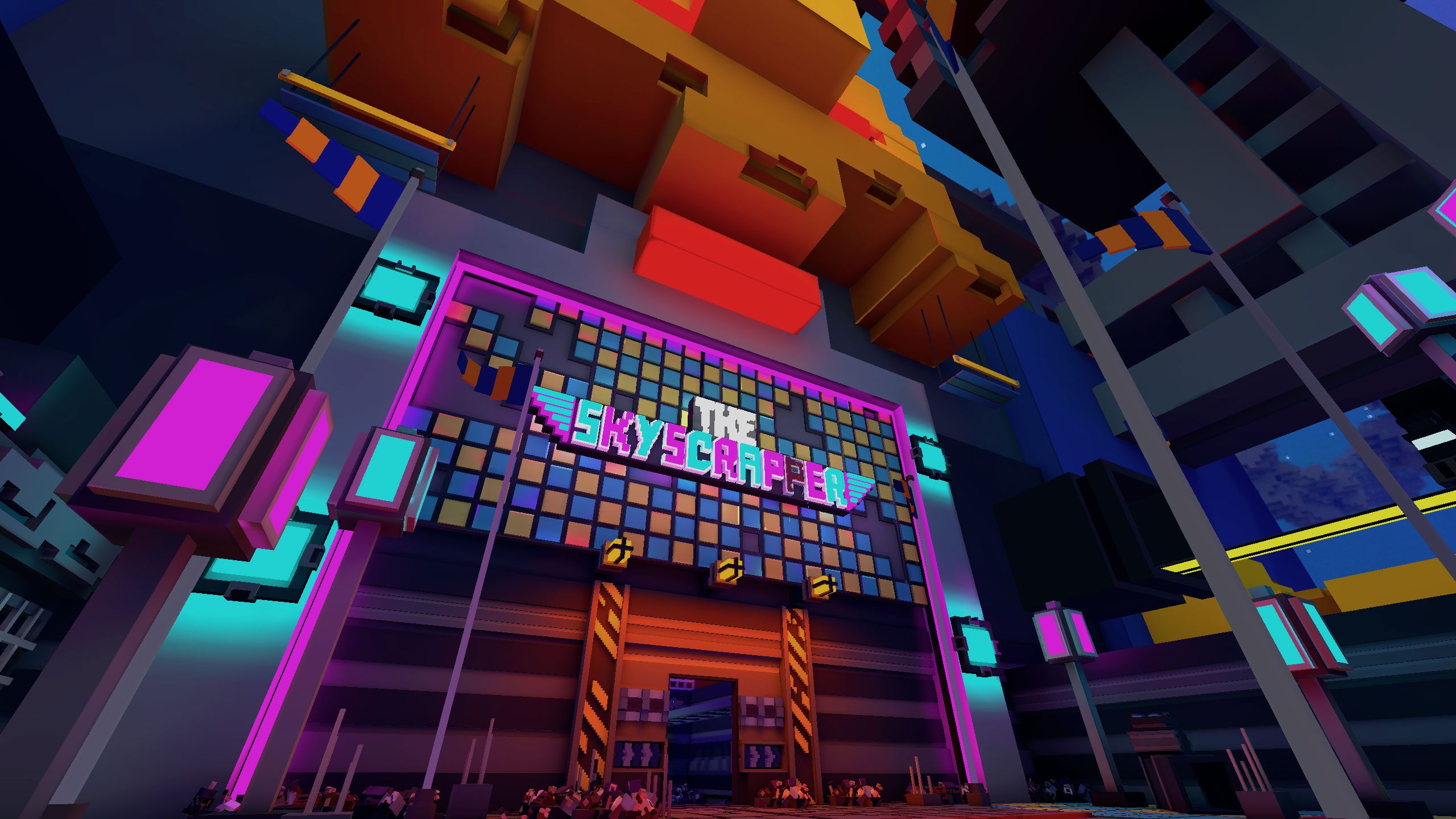
And as you’d imagine, the higher you go, the harder it gets, serving up everything from multiples of everything, from basic baddies to the very toughest bots the game can throw at you—all presented in a variety of interesting arenas that remix every time you take on the Skyscrapper.
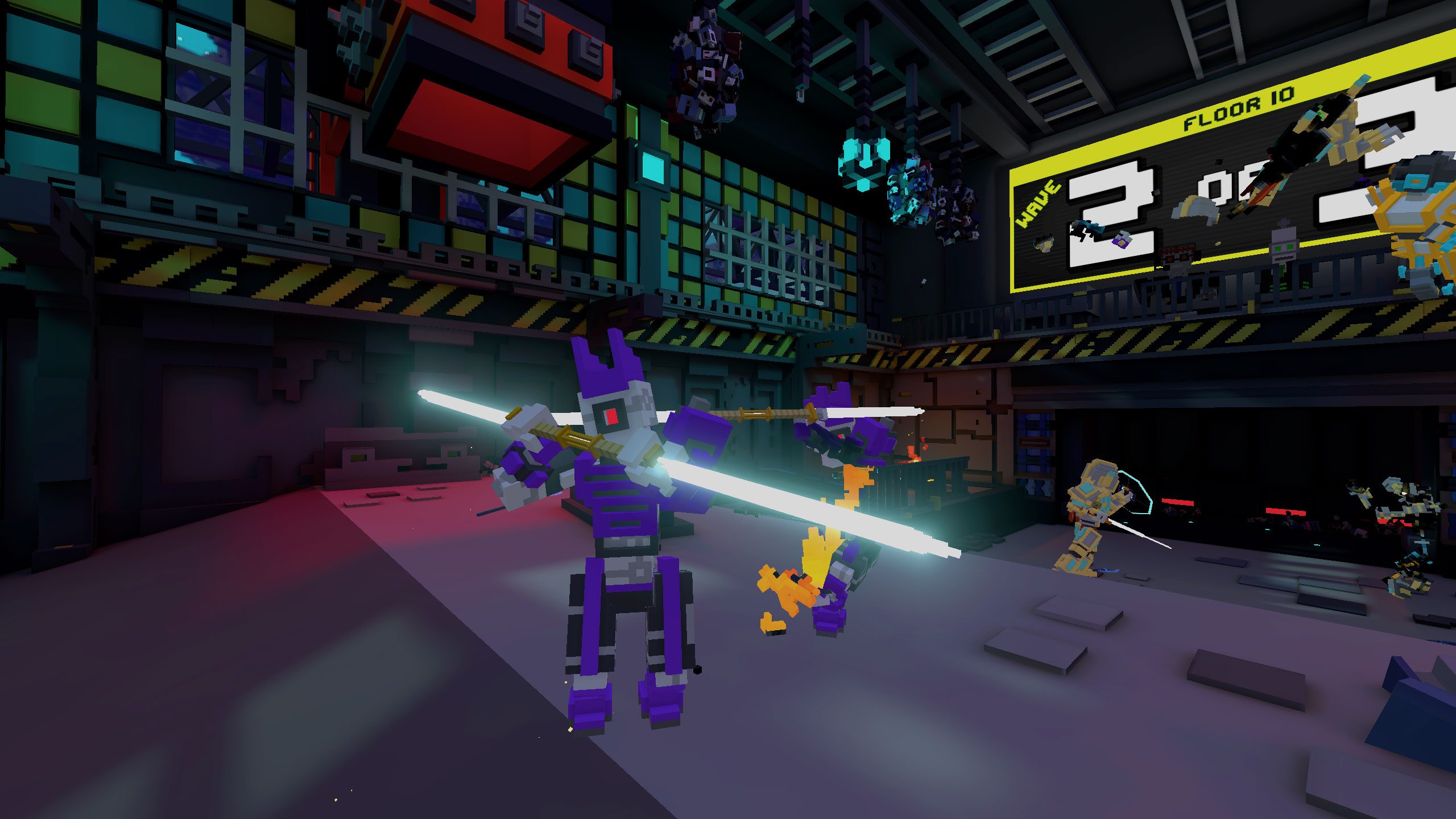
And it’s not just some random pick-and-mix either. Each floor has a theme, like swapped weapons, all Halberd Bots, or multiple Looprunners and bosses, like 10 Captains looking to end your run, or three Katas ninja-teleporting on all sides.
Image courtesy Doborog
Full disclosure: I’m not really a fan of horde modes in general, although the new Skyscrapper mode feels a lot more like a roguelike, which I (rogue)like a lot. But it’s risky business, much more than Crashloop ever was. Powerups aren’t doled out as readily in Skyscrapper, although you can nab a few here and there as you move up level blocks, letting you replace clones or upgrade Turbofists.
That said, I got up pretty far during my hour and half of gameplay, although developers Doborog kindly gave me the ability to select from all levels—which won’t be possible when the mode launches. As it is, the infinite mode tops out at level 100, which I imagine will continue on repeat until you’re ganked for good.
Image courtesy Doborog
The Skyscrapper mode also comes with a few updates and bug fixes to the main game, which you can find below:
Weapons & Enemies
Cutting Resistance / Enemy Toughness
We’ve added a new setting so you can adapt the difficulty of your battles.
Brains! New green brains have been added to enemy heads. Attacking the head requires the CPU of enemies to be destroyed before they’re defeated.
Two handed weapon handling options
You can now pick how two handed weapons work:
Angle and movement following the top hand
Angle and movement based on position of both hands
New Fire Katana and Fire Halberd weapons!
1 new level (Hard difficulty). Lots of bug fixes & minor updates & rebalances to existing Crashloop levels
Faster level loading times.
Improved Arm Extension Turbofist effects.
Extinguishing fires by waving your hands is now much more effective and responsive.
Improved sword glow effect.
Increased the difficulty of the Gauntlet.
Enemy AI Behavior Improvements
Enemies have new moves!
The Captain, MX2 and Mark 3 Samurai Bots can riposte. After clashing swords with you, they might try to strike at you while your guard is down.
Enemies will move to block if you aim ranged weapons at them!
Improved enemy jumping animation and behavior.
FLAMEWAR has some new moves!
Overclock activates her Turbofist faster.
Increase the weapon proficiency of some Mark 3 enemies.
Patch Notes and Bug Fixes
Player hand movement is smoother and has a higher frame rate.
After unlocking all the looprunners, there’s 1 fewer easy crawl before the first duel.
Rebalances to the amount of coins the player gets and shop prices.
Improved color grading to reduce color banding.
Fixed misoriented colliders on a number of weapons.
Fixed zombies failing to craft in complex environments
Fixed several spots where enemies could get stuck across a number of levels.
In the end, there’s still a ton more of Skyscrapper to play through, although it feels like it could be a standalone title in its own right, which is probably the highest praise anyone can give for a post-launch mode. You’ll be able to pop in starting July 27th across all supported platforms.
You can find Clone Drone in the Hyperdome over on the Horizon Store for Quest 2 and above, and on Steam for PC VR headsets, priced at $20.
PlayStation’s annual summer sale just kicked off, tossing a ton of deep discounts your way on some of the best PSVR 2 games out there.
There are a ton of great games currently on sale—available between today and July 29th—many of them PSVR 2 mainstays that should easily help you fill out your game library.
Some of our favorite PSVR 2-natives include Metro Awakening, Red Matter 2, Ancient Dungeon VR, Until You Fall, The Last Clockwinder, Arizona Sunshine Remake, and Arizona Sunshine 2—which range between 25%-60% off.
You can also nab a great deal on some of the best VR-supported titles too, including Gran Turismo 7, No Man’s Sky, Resident Evil Village, Resident Evil 7, Resident Evil 4, and HITMAN World of Assassination—which range from 40%-75% off.
There are a ton more to paw through through over on the PlayStation Store. We rounded up the full list of PSVR 2-supported games (and some DLC) currently on offer, which you can find below:
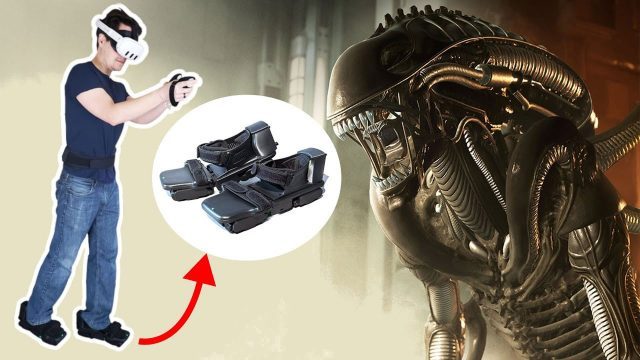
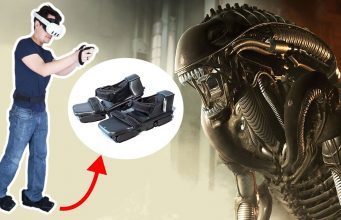
UK-based startup Freeaim kicked off a new Kickstarter campaign yesterday to support the release of a pair of motorized shoes designed to enable natural walking in VR, essentially giving your feet two independent treadmills to walk on.
VR treadmills are usually pretty costly and bulky, which means they mostly appeal to enterprise. Now, Freeaim has unveiled its VR Shoes, which aims to reduce the cost and footprint of immersive VR locomotion devices.
Freeaim VR Shoes so this by incorporating robotic wheels and motion sensors to simulate walking in place while allowing users to move freely in VR.
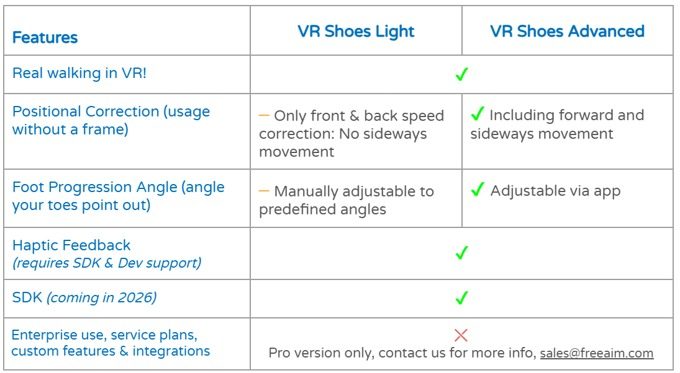
Freeaim is offering two versions of the device, with its flagship ‘VR Shoes Advanced’ featuring rotating wheel modules that can automatically reposition the wearer to prevent drifting from a designated play area. This version can be used without a frame in spaces as small as 1.5 x 1.5 meters.
Its ‘VR Shoes Light’ model is a more affordable alternative, which notably lacks automatic rotation, requiring an external support frame to ensure user stability. Freeaim has developed two such optional support frames—the Hex and Swivel—designed to offer users additional balance and spatial guidance, particularly when starting out. See them in action below:
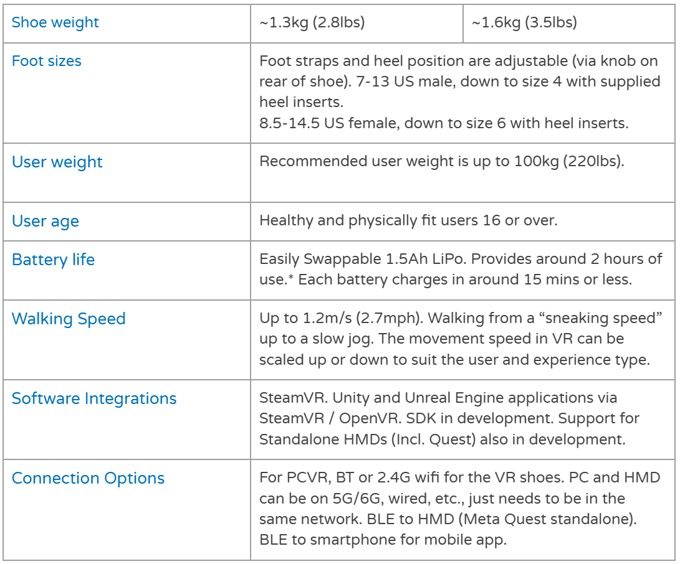
The company hasn’t announced a firm release date yet beyond its February 2026 fulfillment date, but says pricing will remain below traditional VR treadmill systems. Via the Kickstarter at least, VR Shoes Light cost as low as £799 (~$1,079), and the VR Shoes Advanced can be had for as low as £1,049 (~$1,400).
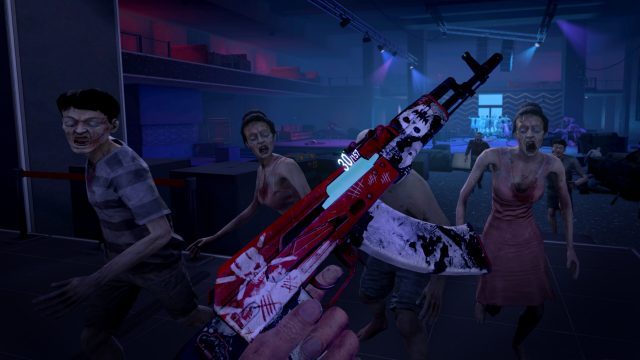
What’s more, the company has already confirmed a few Quest standalone games are supported, including VR Chat,Walking Dead Saints and Sinners 1 & 2,Until You Fall, as well as Team Beef Mods of Doom 3 and Return to Castle Wolfenstein.
Freeaim says more games will be tested for Quest, as well as AndroidXR headsets and any upcoming headset from Valve running SteamOS (aka ‘Deckard).
Freeaim’s Kickstarter has already surpassed its initial £149,000 (~$200,000) funding goal. With nearly a month left in the campaign, the project has garnered £176,000 (~$236,000) at the time of this writing.
And the company has its sights set pretty high. Stretch goals include everything from a free carry bag accessory if they hit £250,000, to discounted shipping fees if they reach£3 million. You can learn more about the Kickstarter by following the link above.
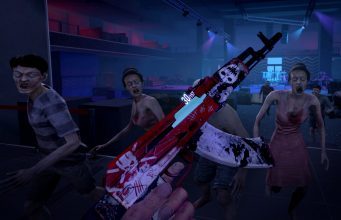
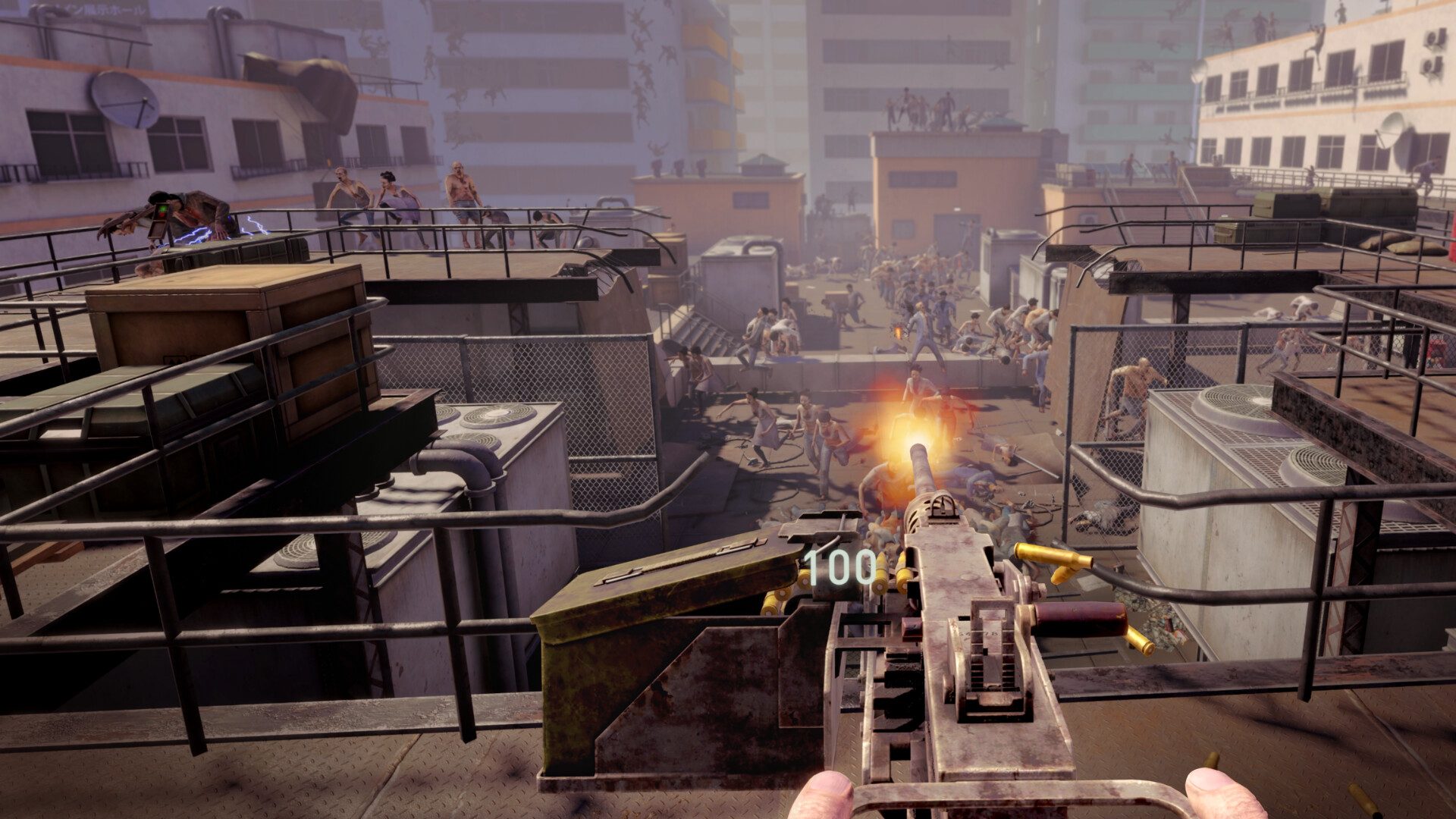
I got a chance to go hands-on with a beginning level of World War Z VR on Quest, the first VR entry into the storied zombie franchise. And like the novel, 2013 film and the handful of flatscreen games that followed, it’s chock-full of zombie hordes, which you take on with the help of two AI companions. While it promises up to 200 zombies on screen at any given time—by far the most I’ve ever heard of in a VR game—I walked in with a single question. Is more better? Read on to find out.
When it comes to zombie games, the formula is pretty basic. Less zombies usually means they’re more powerful, and as a result, single encounters are a lot scarier. In World War Z VR though, the inverse is true. Although you shouldn’t be scared of a single zombie, or even two or three, it’s the clusters you have to watch out for. And they can be pretty dang massive—at least by VR standards.
Image courtesy Saber Interactive
In World War Z VR, single zombies are essentially a minor annoyance, letting you easily bash them away with a rifle, or nonchalantly reload a magazine and blast them straight in the head. Because enemies are generally pretty weak, it also means you can spray down a giant patch of the odd mix of screaming deadheads, but also survive when you’re surrounded by a half dozen as they bunch up and take turns bashing you.
It’s not all dum-dum basic runners though. While enemy variety is pretty low at this point—I only played the tutorial and first mission in Tokyo—every so often a red highlighted zombie will come into view, indicating it’s not your standard sprinter. That quickly switches up what started to feel like was a pretty bland series of encounters, offering periodic shifts in how you take down clusters and navigate your way through the game’s variety of winding pathways, indoor spaces and large outdoor arenas.
So far, I’ve encountered gas zombies that fumigate do area effects, zombies that throw muck in your face from a distance, screamers that bring in bigger waves, and bomb zombies that explode nearby.
Honestly, before playing the game, I was sort of expecting it to be a lot more like the film, where zombies would bum-rush you and you’d quickly be returned to your last checkpoint. In the VR game though, they’re surprisingly respectful, reminding me more of an old martial arts film where a group of enemies would encircle the hero and take turns getting beaten up. The only difference is that these well-behaved hordes can replace a downed foe with a ready stream of new zombie bros who just happen to amble in face first from a nearby wall.
So is more better? I don’t know yet. It certainly is more though, I’ll give World War Z VR that.
I quickly found myself mowing down hordes of 20 at a time, which is easy-peasy, as long as you have the ammo to spare. As you move along though, and narrative beats push more and more zombies your way, it quickly becomes a task of not only blasting away and reloading as fast as humanly possible, but of drawing baddies into chokepoints and making sure your AI companions are by your side to help out.
Speaking of AI companions: these guys are dumb. Which sucks. In a large arena, I was dodging and weaving to pick up ammo and grenades, while my companions were stuck in an odd corner shooting slowly, and ineffectually taking on damage. Granted, the worst they can do is draw some heat away from you, but they just aren’t reliable enough to provide anything more than just a few head splats, leading me to quickly forget they existed. That said, World War Z VR feels like it should really be multiplayer, but just isn’t. Which also sucks.
One thing I didn’t expect though was the various hurdles I’d have to overcome to get to the end level, which was a nice surprise. In Tokyo, I had to find and place a bomb, which required multiple steps to arm, including rotating a a primer, shaking a liquid inside, and planting it in the right spot. There’s also the promise of plenty of goodies to play with, such as unlockable machine gun positions that require a key, which encourages full exploration of levels to find. In the end, you’re served up the biggest horde yet, which pushes all of the skills you learned to a breaking point.
There is a lot more meat on the bone than I initially expected, and I’m looking forward to diving back in for the full game. In short, I came out of the Tokyo level mostly liking what I experienced.
There’s a lot more nitty gritty to get into for our full review when World War Z VR launches on August 12th across Quest and SteamVR headsets. You can expect a full report on the game’s shooting experience (pretty standard, but good so far), weapon variety (no upgrades, but plenty of different guns) locomotion schemes (everything is there), and narrative (I have no idea what’s going on besides ‘bang bang’).
In the meantime, you can pre-order World War Z VR on the Horizon Store for Quest 2 and above and on Steam for PC VR headsets, priced at $20.
Indie studio Creativity AR announced its MacGyver-inspired VR puzzle adventure Fixer Undercover is coming to Quest and SteamVR headsets next year.
The studio released a demo of Fixer Undercover on Quest last year via the now-defunct App Lab, offering up a taste of the spy-themed puzzle game.
During the UploadVR summer game showcase, Creativity AR showed off a new trailer for the game, which is officially coming to PC VR headsets via Steam and Quest in Q1 2026.
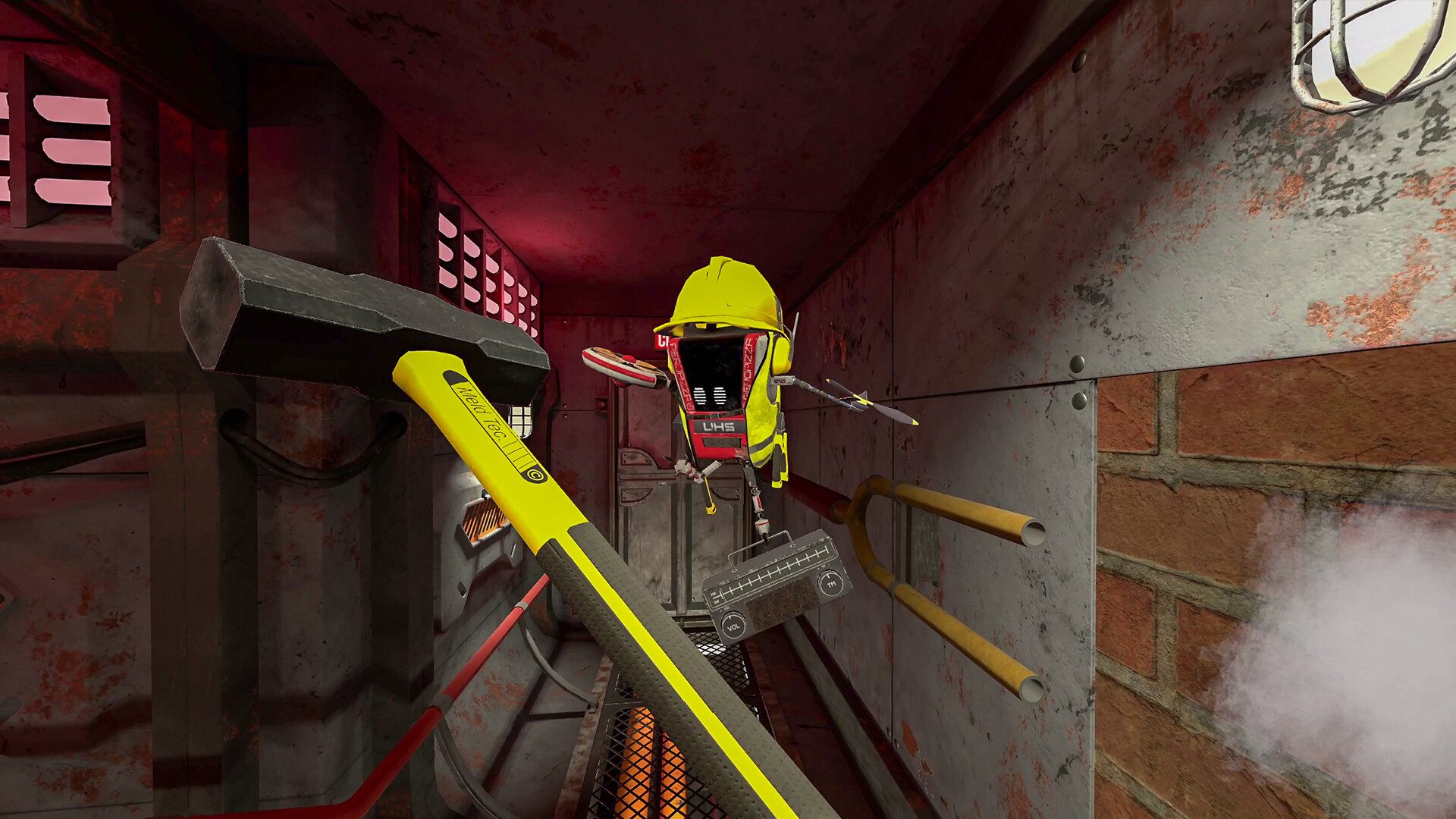
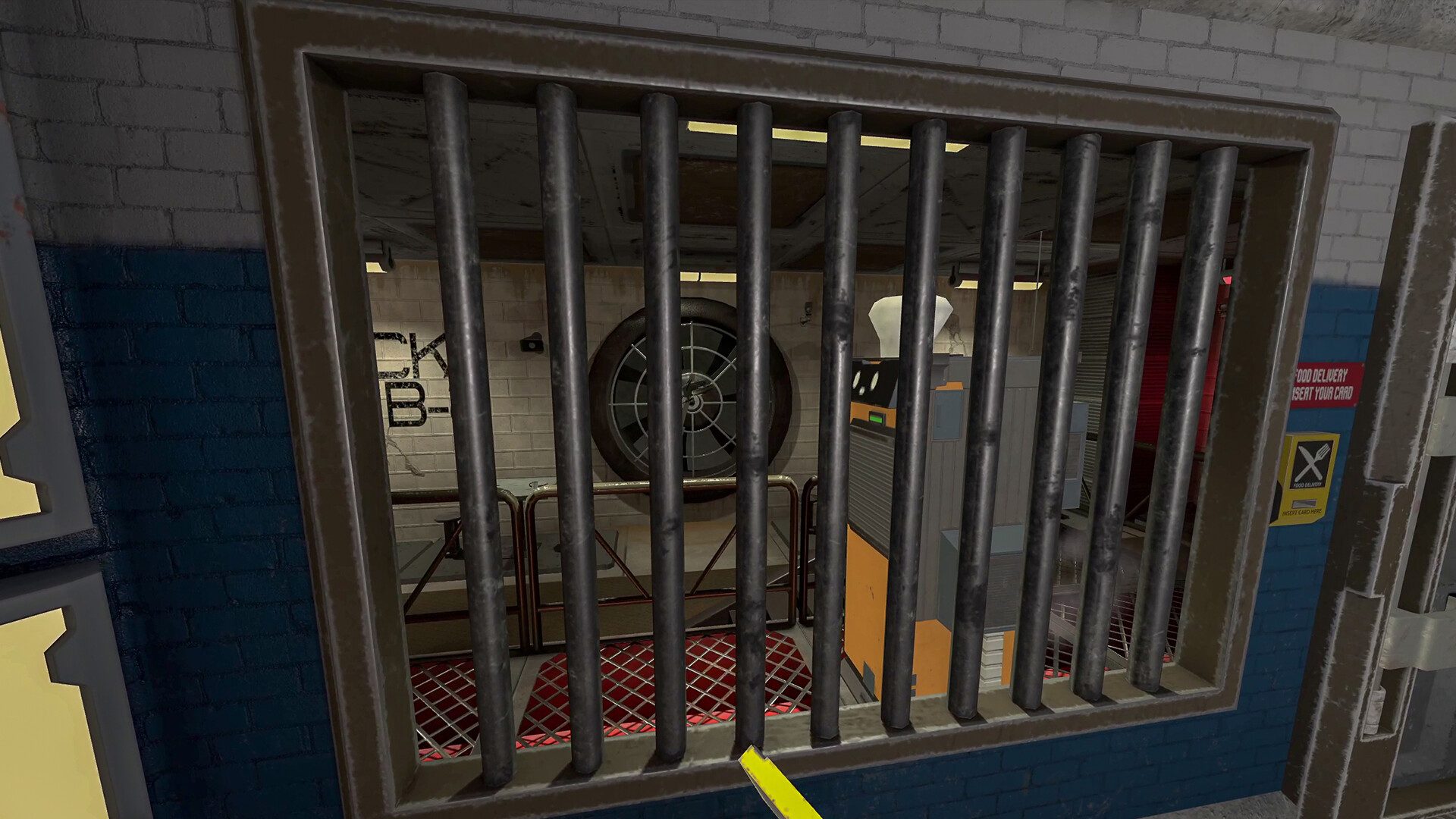
As ‘Agent 404’, you disguise yourself as a normal maintenance worker at Redemption Prison, looking to expose the mystery behind warden’s Viktor Kozlov’s evil ‘Born Again’ rehabilitation program.
1 of 5
Image courtesy Creativity AR
Image courtesy Creativity AR
Image courtesy Creativity AR
Image courtesy Creativity AR
Image courtesy Creativity AR
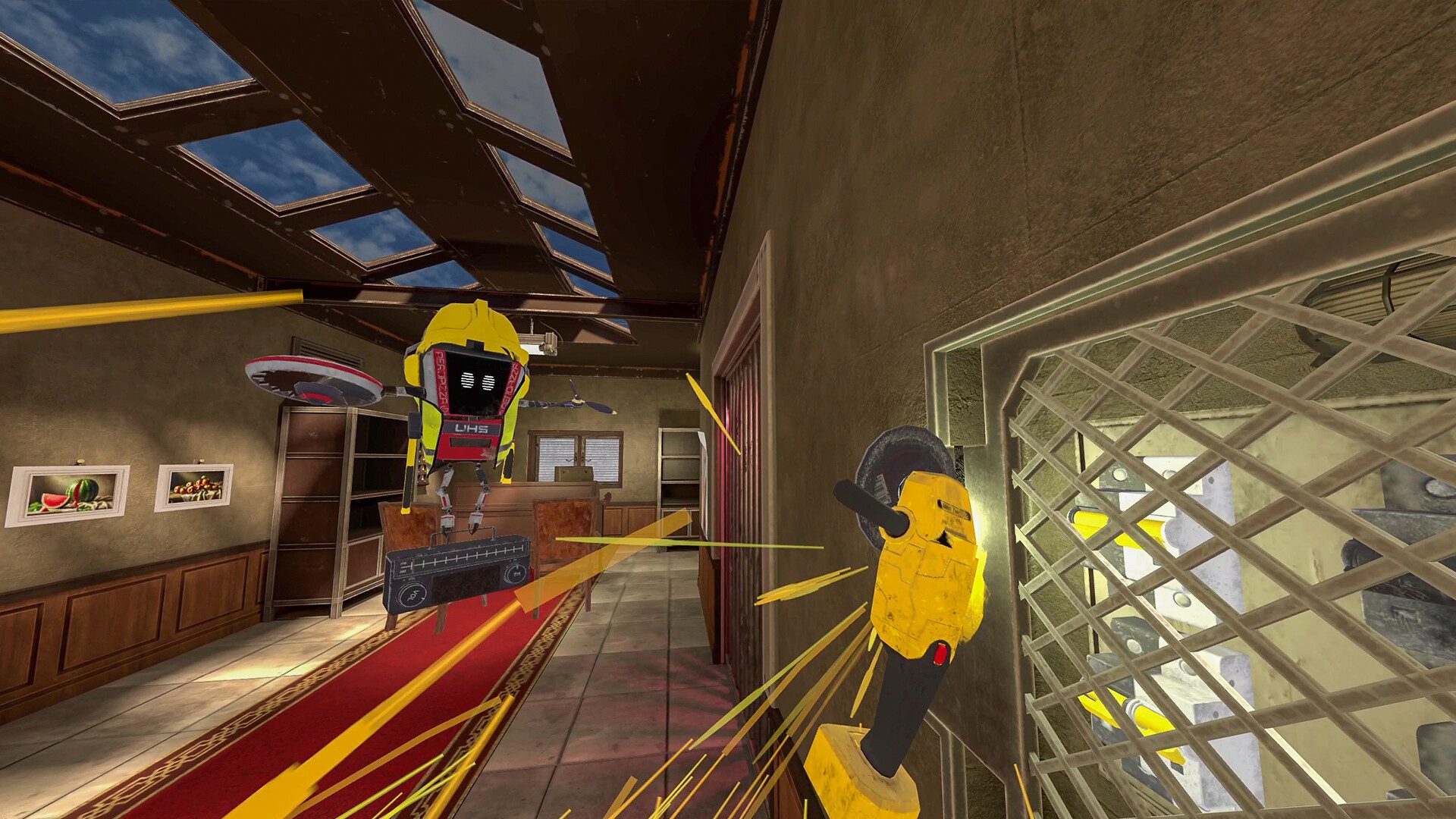
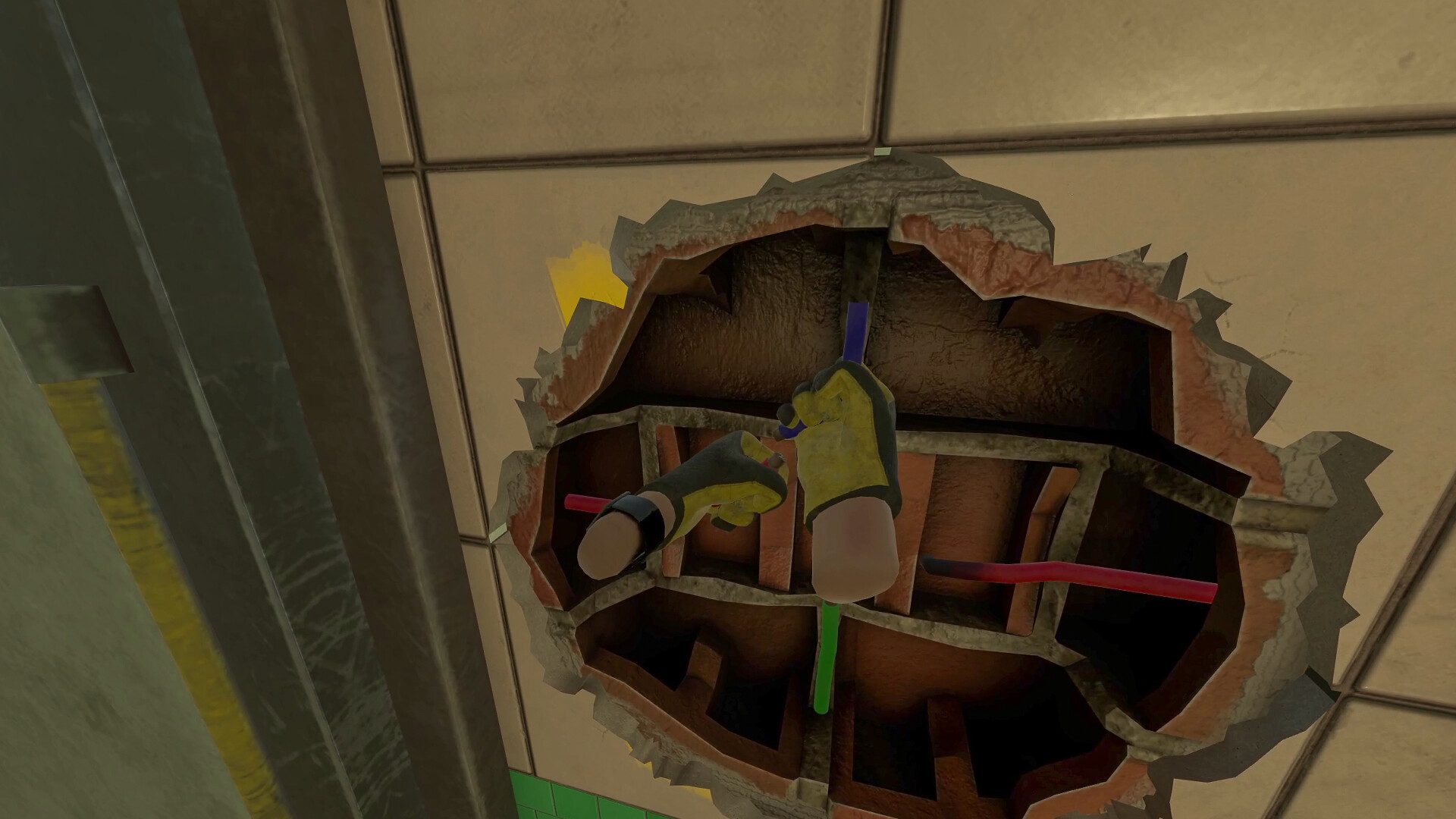
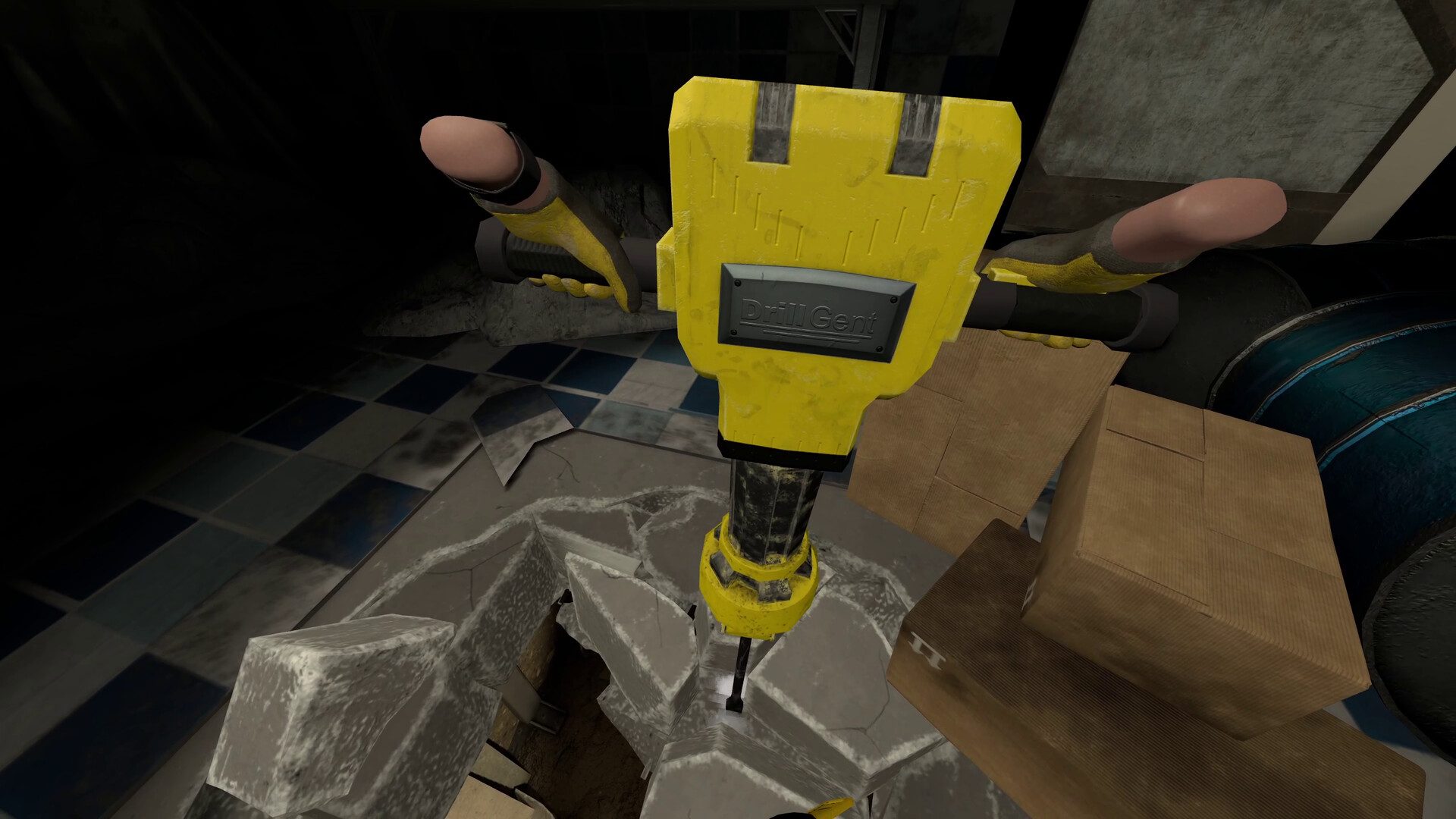
And you won’t be using standard spy equipment, instead using an arsenal of everyday tools and “absolutely everything you can get your hands on,” the studio says.
“A drill becomes a universal key, a hammer transforms into a tool of delicate “persuasion” for locks, and a randomly found cable? That’s your new way to bypass security systems. Your task is to creatively utilize your surroundings to forge a path forward,” Creativity AR says.
By your side is Winston, a talkative flying drone who dispenses advice and commentary as you delve deeper into the prison system.
You can wishlist Fixer Undercover on Steam for PC VR headsets, which is confirmed to target a Q1 2026 release date. The studio has additionally said it’s coming to Quest next year, although there’s no Horizon Store page yet.
During Upload VR’s summer game showcase, developer Triangular Pixels showed off more of its upcoming sequel to spy-flavored puzzle adventure Unseen Diplomacy (2016).
The sequel, Unseen Diplomacy 2, has been years in the making, and now Triangular Pixels has released a new trailer showing off more of the game’s room-scale interactions—a feature that made the 2016 original such a pioneer in the space.
While we got a brief look in May when Triangular Pixels initially announcedUnseen Diplomacy 2, the studio showed off new footage of its madcap room-scale gameplay—coming to Quest 3 and SteamVR headsets this year.
Like the original, Unseen Diplomacy 2 features a unique room-scale locomotion method that “redirects” the user by warping and manipulating the game’s various rooms around you.
This time around though, the game is coming with a full campaign, expanded gameplay mechanics, and deeper strategy over the original, which was action-packed, but notably fairly short.
Here’s how the studio describes the sequel:
In Unseen Diplomacy 2, players take on the role of a spymaster, leading their own elite agency while also getting their hands dirty out in the field in a 1990s inspired retro-futuristic setting with analog technology. Sneak around enemy bases to steal valuable intel and resources, sabotage their plans, and then successfully escape without being noticed.
To fully immerse themselves into this role, players will physically crawl, roll under lasers, and dodge side to side while utilizing new gadgets, like the wire clippers, and wearing disguises to dupe the enemy. Those who prefer a less quiet approach can also utilize blow darts. To ensure every mission and campaign feels fresh, Triangular Pixels uses a new system that not only procedurally generates levels, but also tailors the experience based on the space you have and the actions you take.
There’s still no release date yet beyond the 2025 launch window, although in the meantime you can wishlist Unseen Diplomacy 2 on the Horizon Store for Quest 3 and 3S (includes mixed reality mode), and on Steam for PC VR headsets.