Wednesday, 21 May 2025

Google Teases Next Android XR Device: XREAL’s Upcoming AR Glasses ‘Project Aura’

https://ift.tt/nuetbcR

When it launches later this year, Android XR is coming first to Samsung’s mixed reality headset, Project Moohan. Now, Google has tapped AR glasses creator XREAL to be the second with its newly unveiled Project Aura.

Google announced at its I/O developer event that China-based XREAL will be the second device officially slated to run Android XR, the company’s forthcoming XR operating system currently in developer preview.

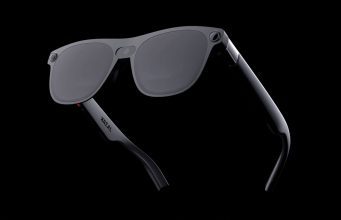
Codenamed Project Aura, the companies describe the optical see-through (OST) device as “a portable and tethered device that gives users access to their favorite Android apps, including those that have been built for XR.”

Information is still thin, however XREAL says Project Aura was created in collaboration with Google and chip-maker Qualcomm, and will be made available to developers “soon after” the launch of Project Moohan, which was recently affirmed to arrive later this year.
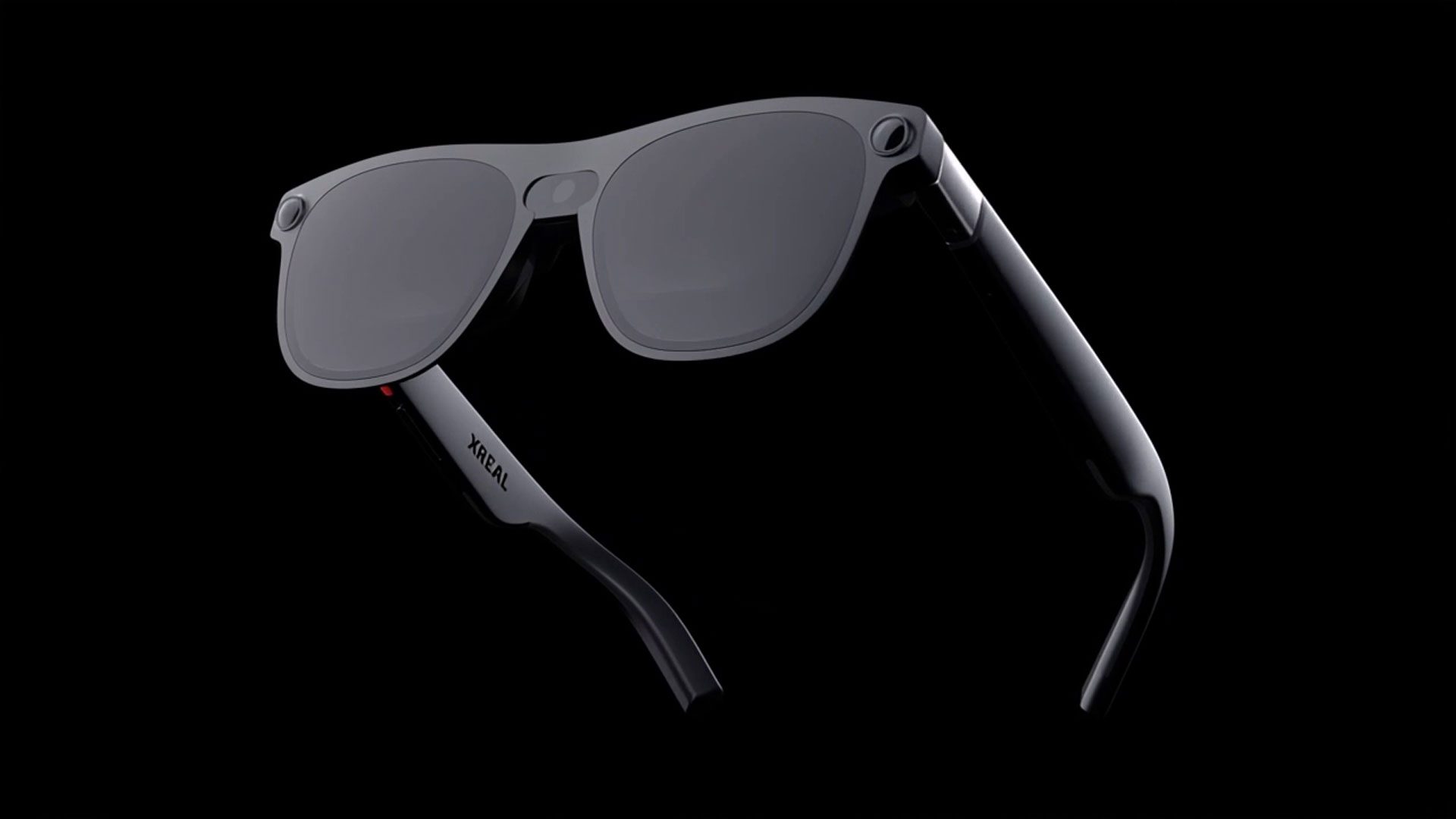
Image courtesy XREAL

XREAL hasn’t released specs, although the company has a track record of pairing micro-OLEDs with birdbath optics, which differs from the more expensive waveguide optics seen in devices such as Microsoft HoloLens, Magic Leap One, or Meta’s Orion AR glasses prototype.

Birdbath optics use a curved mirror system for brighter, higher field-of-view (FOV) and lower-cost AR displays, although this typically results in bulkier designs. Waveguides are often thinner and more expensive to manufacture, but provide more wearable form factors with better transparency; waveguides also typically feature a lower FOV, although prototypes like Meta Orion are bucking that trend.

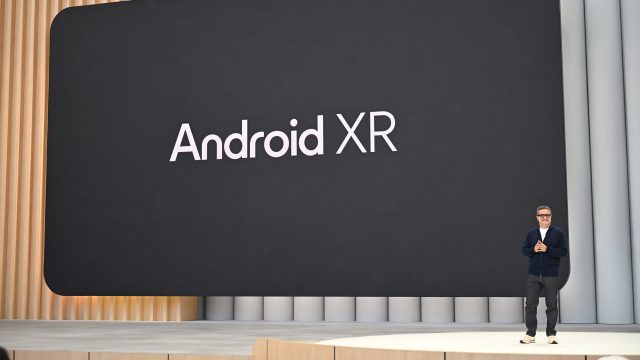
Like the Android XR glasses seen on stage at Google I/O, which are coming from eyewear companies Warby Parker and Gentle Monster, XREAL Project Aura is expected to feature built-in Gemini AI, allowing it do things like real-time translation, AI assistant chats, web searches, object recognition, and displaying contextual info.

Choosing XREAL as its next Android XR hardware partner makes a good deal of sense here. Founded in 2017, XREAL (previously Nreal) has developed a number of AR glasses generations over the years, including its own custom Android launcher, Nebula, to handle native AR experiences on Android devices.

Like previous XREAL devices, Project Aura is meant to be a tethered, and not standalone. It’s uncertain just what external device the device will run Android XR, be it a standard smartphone or dedicated ‘puck’ like XREAL Beam.

That said, XREAL says they’ll be talking more about Project Aura at the Augmented World Expo (AWE) next month, which takes place June 10th – 12th in Long Beach, California. We’re going to present at AWE this year, so check back soon for more on all things XR to come from the event.

The post Google Teases Next Android XR Device: XREAL’s Upcoming AR Glasses ‘Project Aura’ appeared first on Road to VR.


from Road to VR https://ift.tt/U5Lkgju
via IFTTT

Tuesday, 20 May 2025

Google Partners with Prominent Eyewear Makers for Upcoming Android XR Smartglasses

https://ift.tt/d1YFzXQ

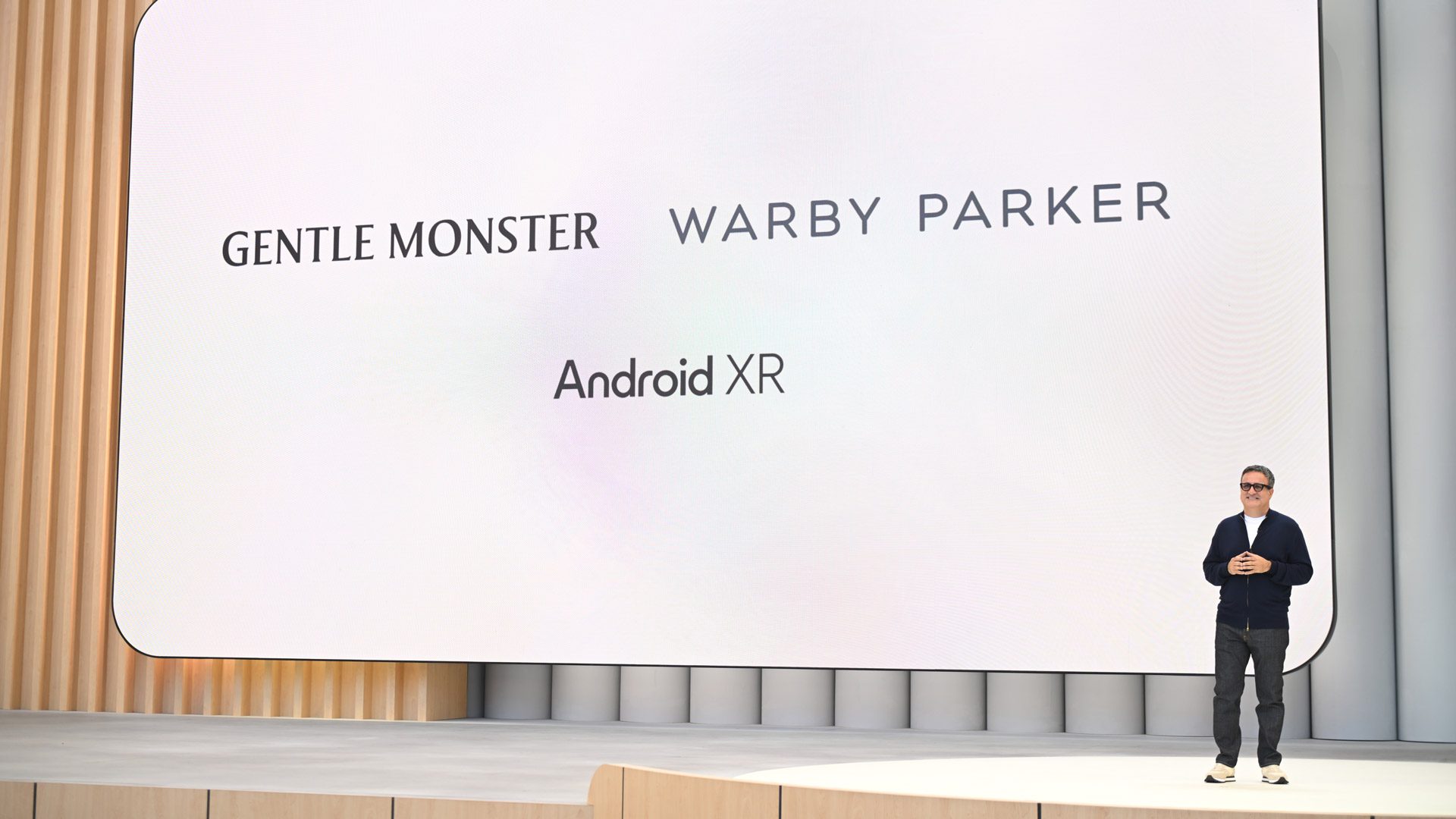
Google today announced that it is working with eyewear makers Warby Parker and Gentle Monster to bring the first Android XR smartglasses to market. The move mirrors Meta’s early partnership with EssilorLuxottica, the dominant eyewear maker that’s behind Meta’s Ray-Ban smartglasses.

While no productized Android XR smartglasses have been announced, Google said today it is working with eyewear makers Warby Parker and Gentle Monster on the first generation of products. Android XR smartglasses will prominently feature Google’s Gemini AI, and some will include on-board displays for visual output.

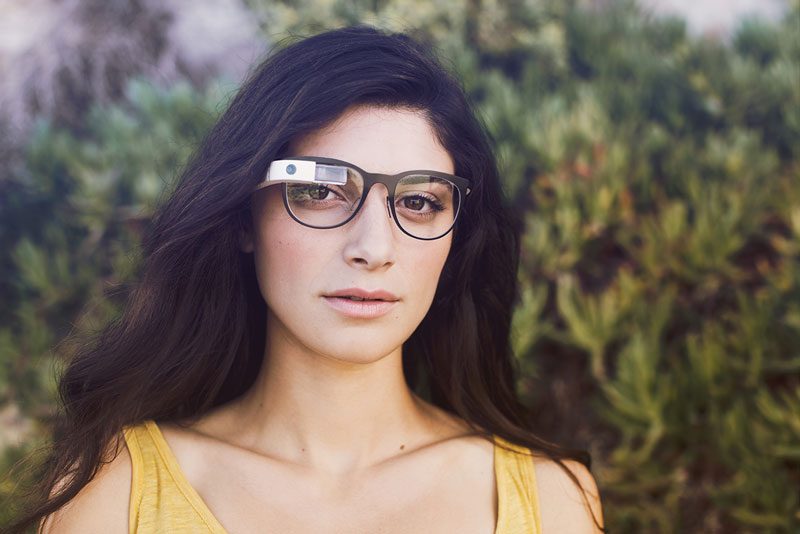
Image courtesy Google

Warby Parker is a well known American eyewear brand, founded in 2010, which has pioneered a lower cost, direct-to-consumer glasses business. Gentle Monster, founded in 2011, is a well known South Korean eyewear brand, and has a similar approach as Warby Parker.

While influential, both eyewear makers pale in comparison to EssilorLuxottica, the massive eyewear and lens conglomerate behind brands like Ray-Ban and Oakley.

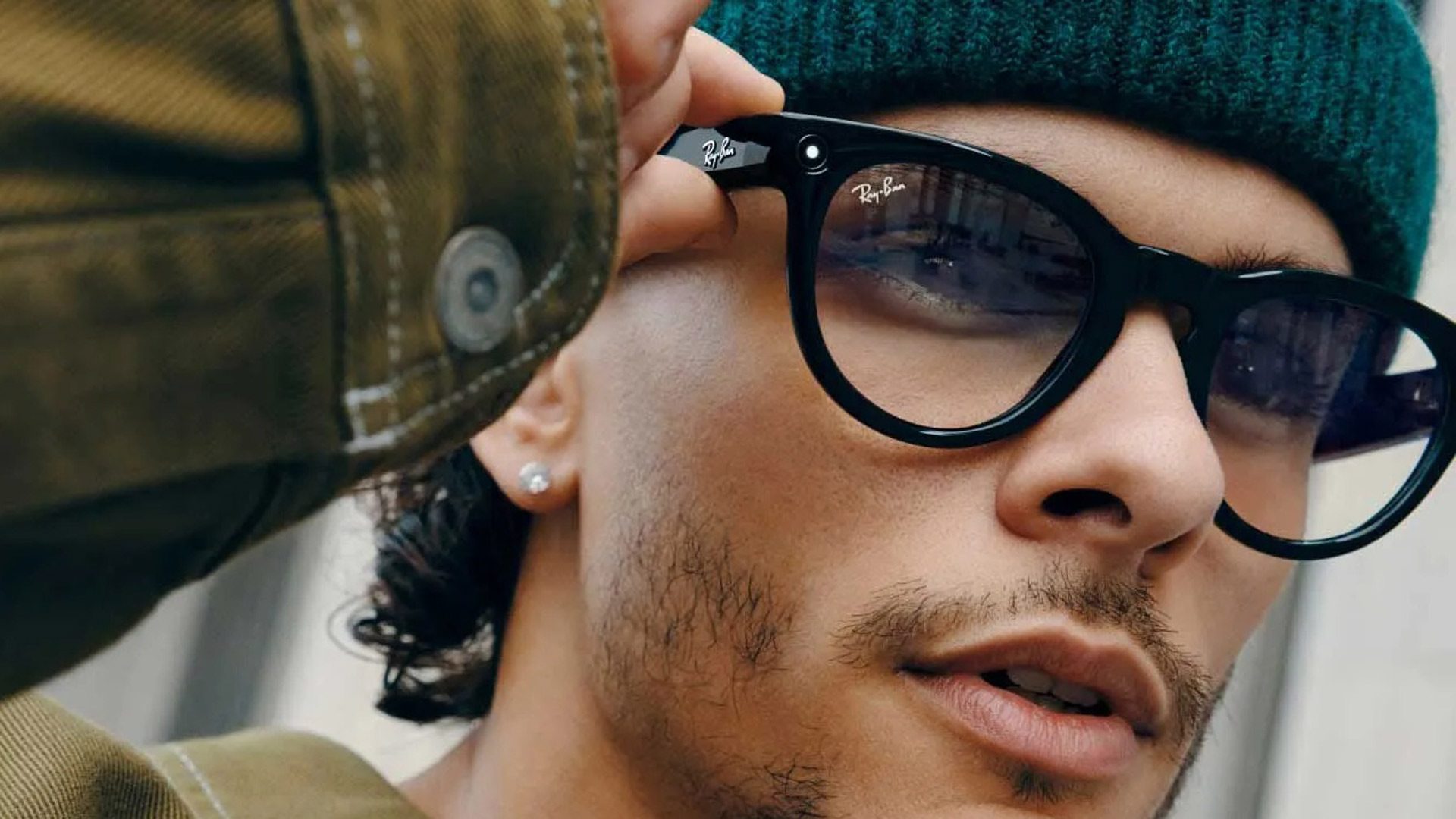
EssilorLuxottica and Meta partnered several years ago around their smartglasses ambitions. Things seem to be going well for the partnership as the duo has launched several iterations of the Meta Ray-Ban smartglasses featuring classic Ray-Ban designs.

Ray-Ban Meta Glasses, Image courtesy Meta, EssilorLuxottica

Google is now taking the same tact by partnering with two well known glasses-makers to ensure that it has strong brand and fashion credibility behind its upcoming Android XR smartglasses.

The company’s first pair of smartglasses, Google Glass, launched way back in 2012. Although they were impressively compact for their time (especially considering the inclusion of a display), the asymmetrical design of the bulky display optics was seen as socially off-putting—just a bit too weird to pass as regular glasses.

That sent Google (and others) back to the drawing board for years, waiting until the tech could advance enough to make smartglasses that looked more socially acceptable.

It’s unclear when the first Android XR smartglasses will launch, or what they might cost, but Google also said today that developers will be able to start developing for Android XR smartglasses later this year.

The post Google Partners with Prominent Eyewear Makers for Upcoming Android XR Smartglasses appeared first on Road to VR.


from Road to VR https://ift.tt/G1wcEvo
via IFTTT

Project Starline Immersive Videoconferencing Now Branded Google Beam, Heading to Market with HP

https://ift.tt/XSVHsxe

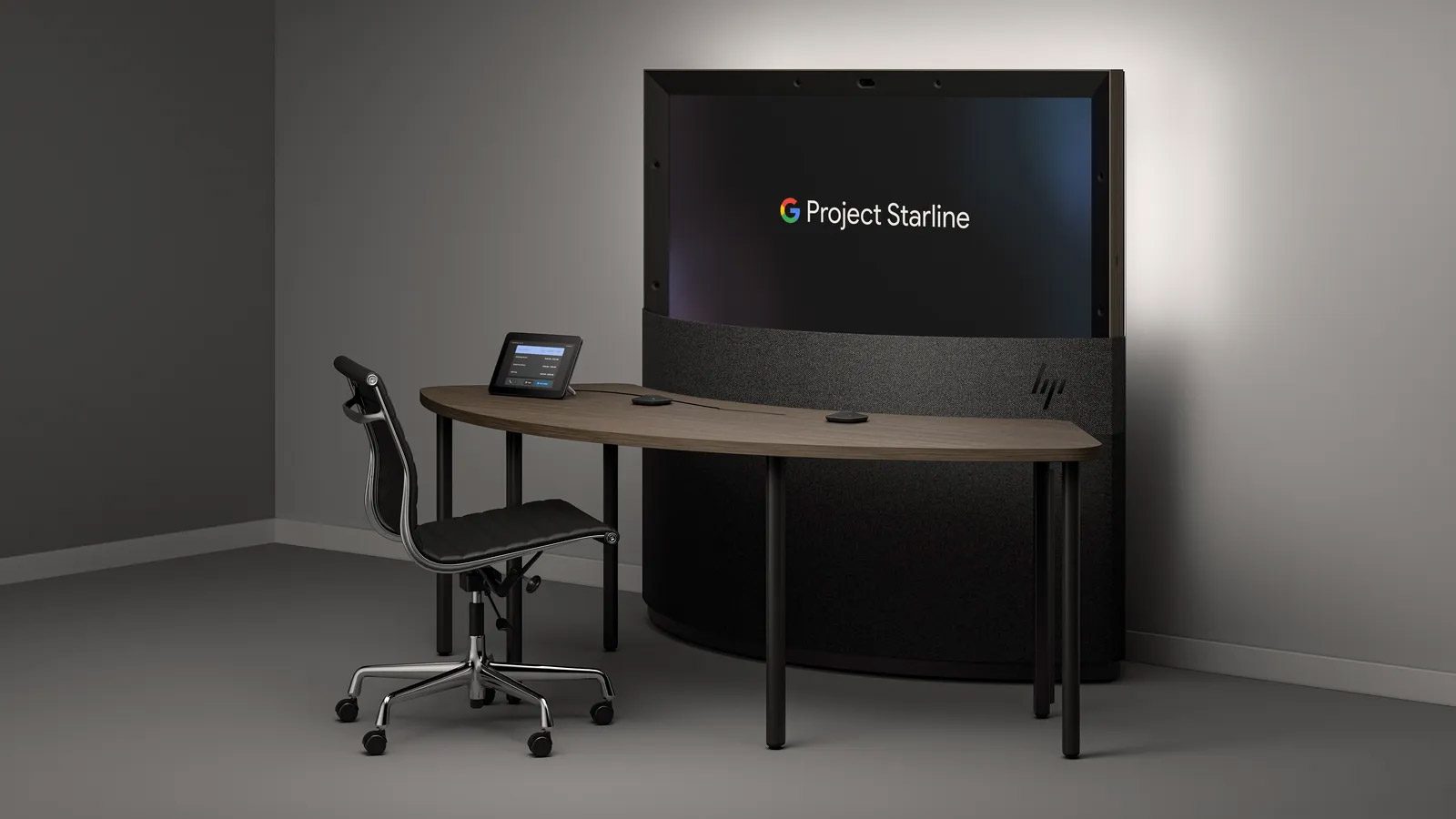
Today at its annual I/O developer conference, Google affirmed plans to bring its Project Starline immersive videoconferencing platform to market with HP. While this partnership was confirmed last year, the product is now officially called Google Beam, with more info promised soon.

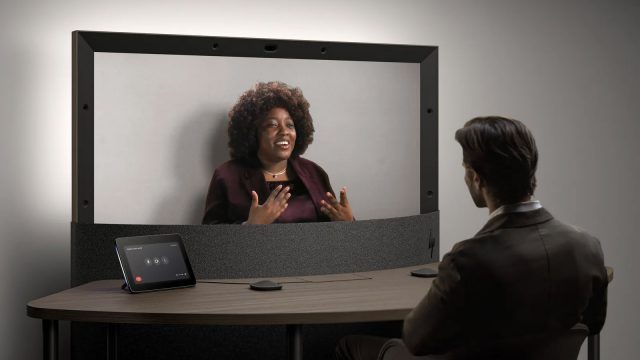
Google’s Project Starline is a platform for immersive videoconferencing which was first introduced in 2021. But rather than using a headset, the platform is built around cameras and a light-field display. The light-field display shows natural 3D depth without the need for the viewer to wear a headset or glasses. The goal, the company says, is to create a system that feels like two people are talking to each other face-to-face in the same room, rather than feeling like they are separated by a screen and cameras.

Image courtesy Google

Google has been evolving the system over the years to improve usability and quality. Today the company showed a glimpse of the latest version of the system which it says is coming to market under the name Google Beam.

Image courtesy Google

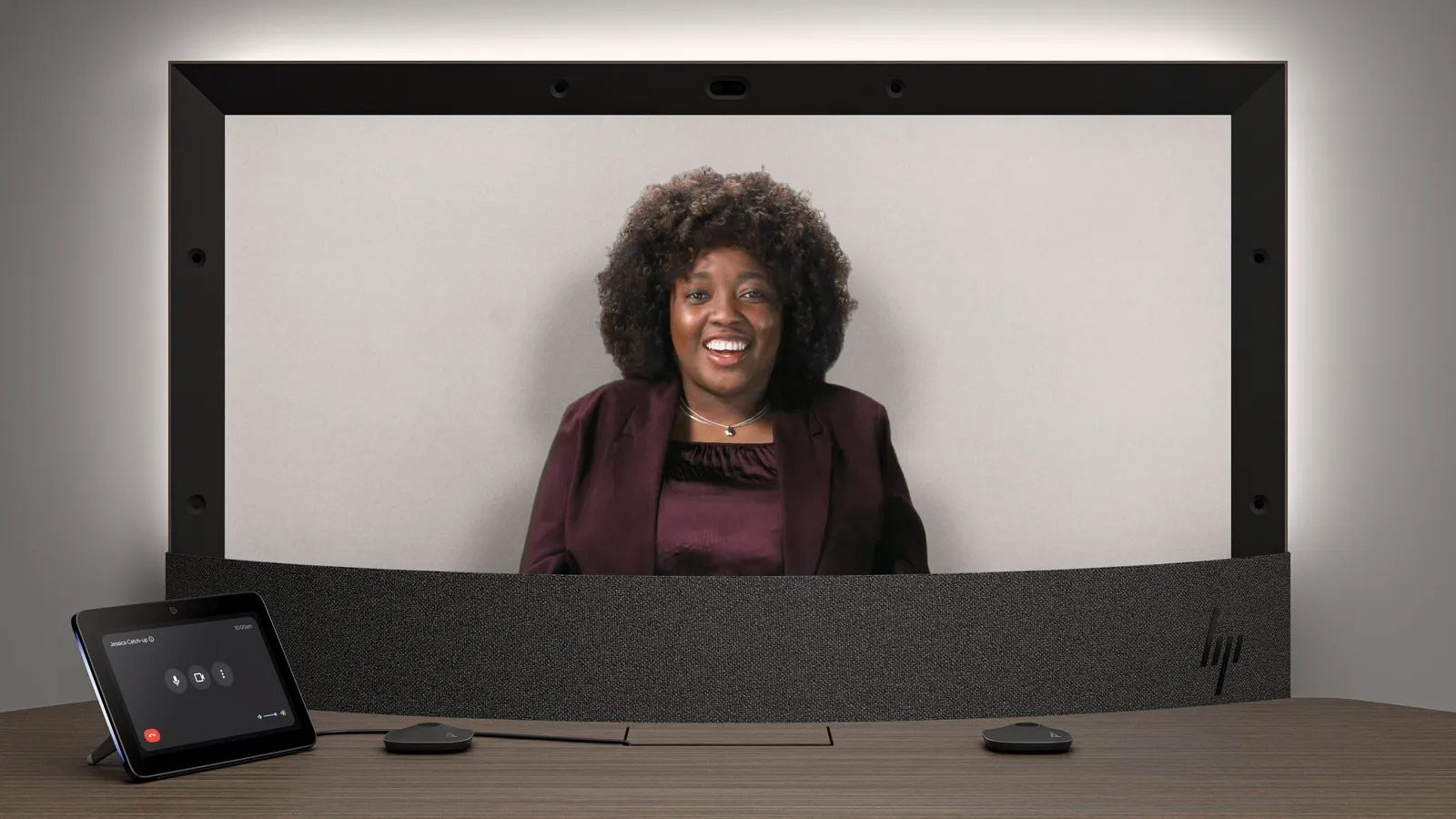
As confirmed last year, Google is working with HP to bring Google Beam to market starting this year with an initial focus on enterprise customers seeking high-quality videoconferencing. While details are still light, Google says that “HP will have a lot more to share a few weeks from now.”

Image courtesy Google

The post Project Starline Immersive Videoconferencing Now Branded Google Beam, Heading to Market with HP appeared first on Road to VR.


from Road to VR https://ift.tt/wj7s2Qe
via IFTTT

VR Rhythm Game ‘Maestro’ is Getting a ‘Star Wars’ Music Pack Next Month, PSVR 2 Launch Confirmed

https://ift.tt/sm0FTRA

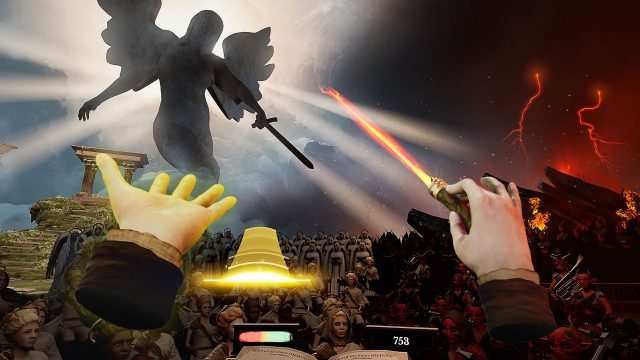
Maestro (2024), the VR rhythm game that lets you conduct an orchestra, is getting an official Star Wars DLC next month, which includes an epic track from Star Wars: Episode 1 (1999) as well as your very own Yoda-sized lightsaber baton.

Previously available on Quest, SteamVR and Pico headsets, VR’s most cultured rhythm game is finally coming to PSVR 2 on June 20th.

Launching the same day, developer Double Jack announced a new premium DLC pack that includes a track from Star Wars: Episode 1 — ‘Duel of the Fates’ by John Williams.

Get ready to conduct with a new in-game cosmetic too, as the DLC is bringing a pint-sized lightsaber baton too.

https://www.youtube.com/watch?v=uCj6iZzCkkc

Also coming June 20th, the studio is launching a ‘Complete Collection Bundle’ across all supported platforms, letting you nab all past DLC in one go, PSVR 2 included.

Meanwhile, Maestro is getting a fresh bump of free content too, seen below:

  • “Fields of Fate” stage: a rain-soaked, apocalyptic arena where Heaven and Hell collide.
  • “Angels and Demons” orchestra split: split into two armies—angels and demons—reflecting the eternal struggle of Good versus Evil.
  • Sergei Prokofiev’s “Battle on the Ice” (from Alexander Nevsky): added to the base tracklist.

The game’s Star Wars Pack will be its third DLC drop following the ‘Doombound Pack’ DLC released last month, which included tracks from Peter Jackson’s The Lord of the Rings and HBO’s Game of Thrones, in addition to other classical favorites.

‘Secret Sorcery’, its first paid DLC released shortly after its October 2024 launch, included:

  • Williams — Hedwig’s Theme from Harry Potter 
  • Dukas — ‘The Sorcerer’s Apprentice’ from Fantasia
  • Grieg — ‘In the Hall of the Mountain King’
  • Berlioz — ‘La symphonie fantastique de Falla — El Amor Brujo’

You can grab the Complete Collection Bundle on June 20th for all supported platforms, including Quest 2 and above, SteamVR headsets, Pico headsets, and PSVR 2.

The post VR Rhythm Game ‘Maestro’ is Getting a ‘Star Wars’ Music Pack Next Month, PSVR 2 Launch Confirmed appeared first on Road to VR.


from Road to VR https://ift.tt/rJIQFBY
via IFTTT

Monday, 19 May 2025

Industry Insider Expects New Valve XR Headset to Launch in 2026

https://ift.tt/c7CFtpx

It appears Valve has been developing a standalone XR headset, codenamed ‘Deckard’, for some time. Now, an industry insider has apparently gotten a peek at the headset’s design, calling it “quite amazing,” further noting it’s potentially arriving sometime next year.

Stan Larroque, Founder of XR hardware company Lynx, confirmed in a recent X post the he’s actually seen the design for Valve’s next XR headset.

Larroque further confirmed that neither him nor his company Lynx, which released the Lynx R-1 mixed reality headset, is under any type non-disclosure agreement (NDA).

Larroque tells Road to VR that Valve Deckard won’t complete against Lynx’s upcoming hardware, as they separately “address two different markets [and] price points.”

Still, beating around the bush somewhat, Larroque tells us Valve and Lynx “might share suppliers for some components,” which definitely smells like a supply chain leak.

“I would be equally pissed if Lynx nextgen ID got leaked so I won’t share more,” Larroque says in an X post. “I’m just excited for good new XR HMDs. The HMD-making world is so small, we all share the same suppliers for some components.”

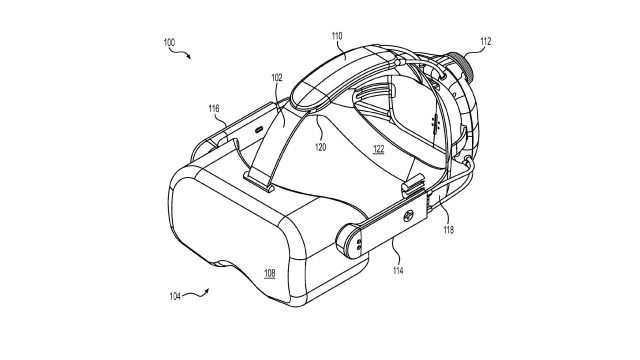
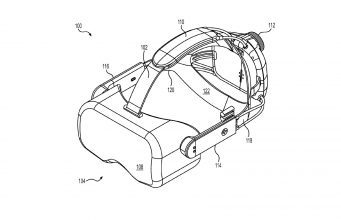
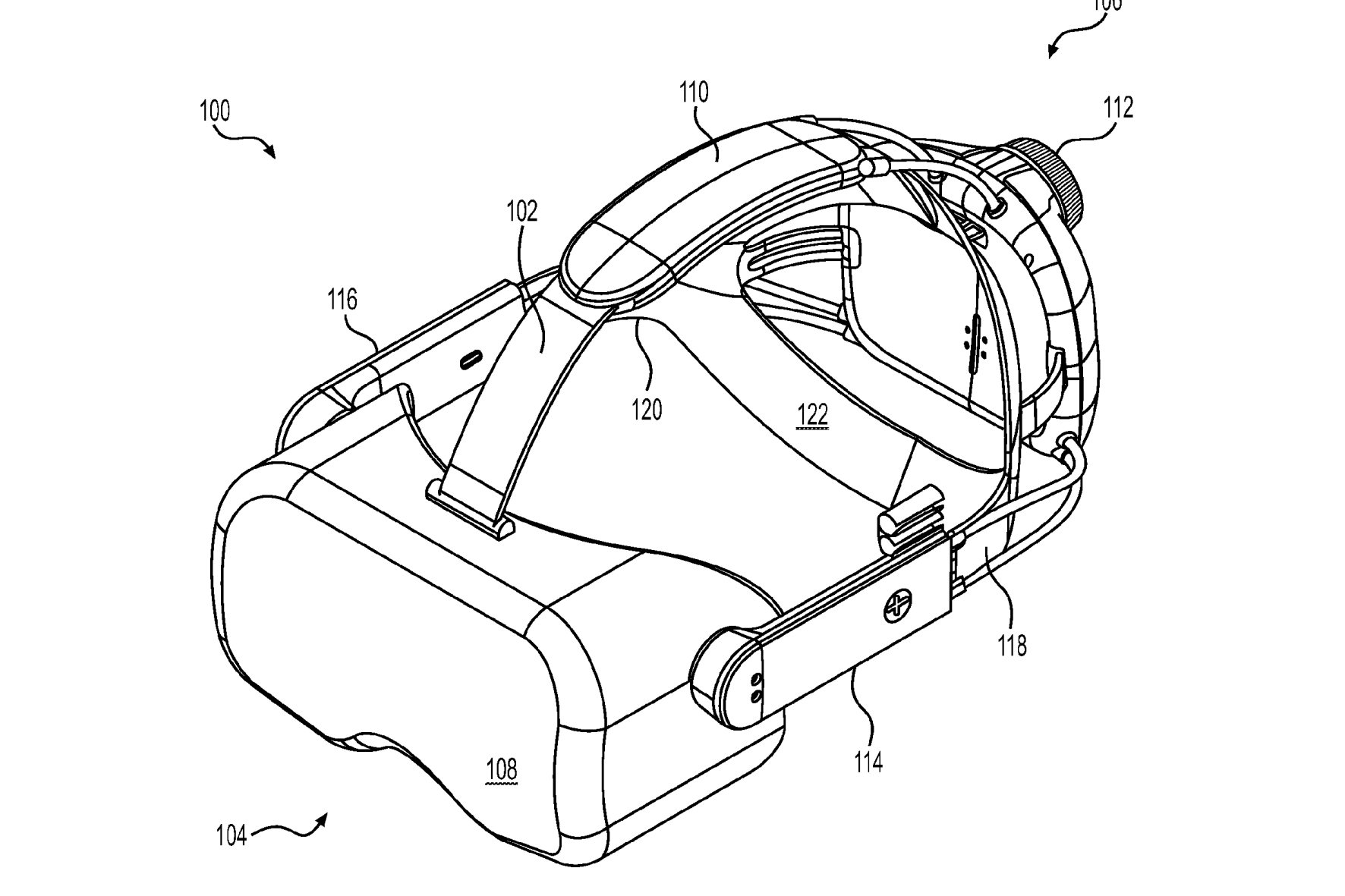
Valve Patent from 2022 | Image courtesy Brad Lynch

Furthermore, he tells Road to VR that he’s heard that mass production and eventual availability is slated for 2026, which differs slightly from a previous report wherein leaker and data miner ‘Gabe Follower’ alleged Deckard would arrive by the end of 2025, priced at $1,200.

While Valve hasn’t confirmed anything yet, the rumor mill has been drumming up its fair share of speculation even since the Deckard naming scheme was discovered by data miners in January 2021.

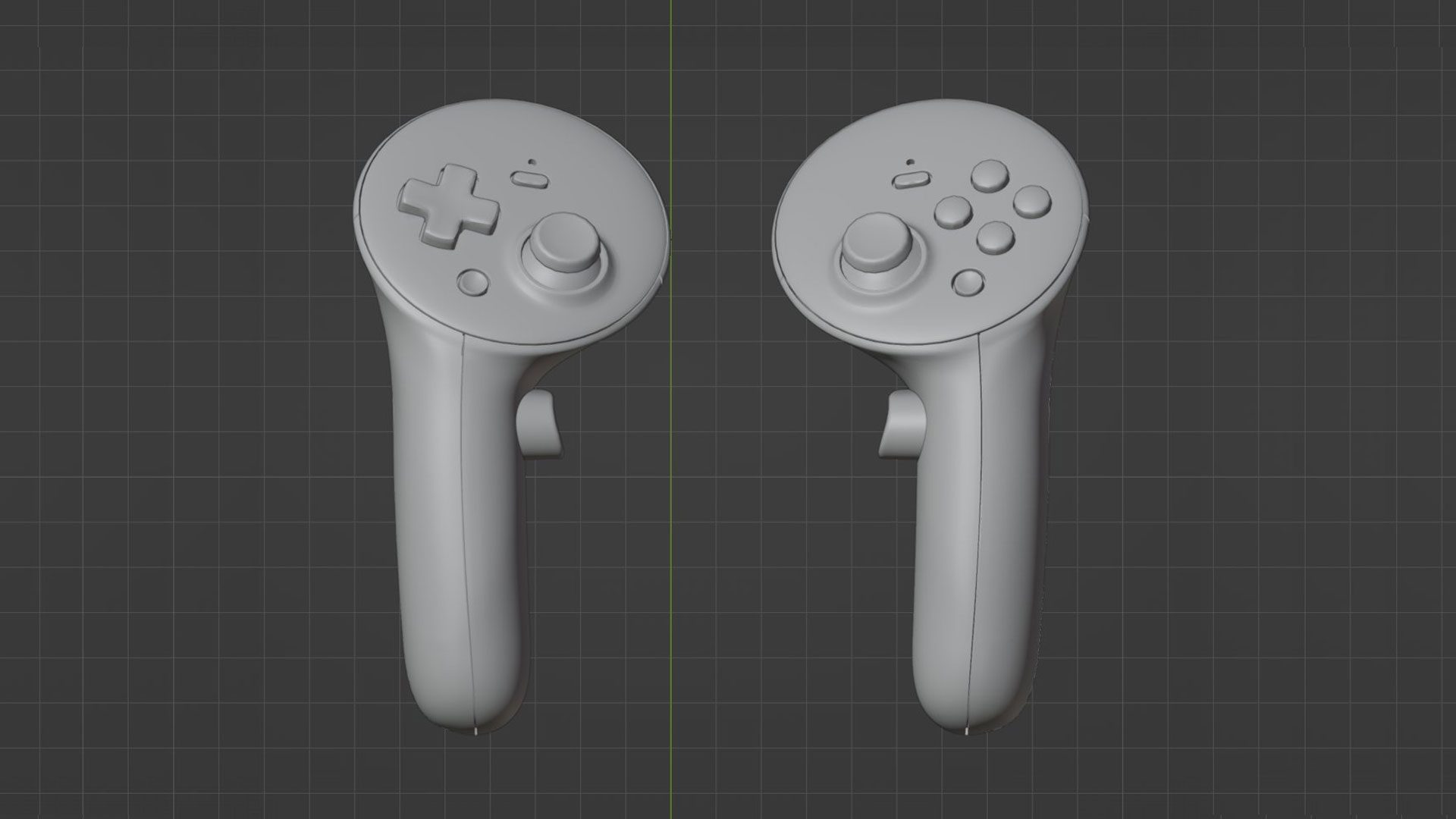
There have been leaked prototype designs (seen above) from 2022, as well as leaked 3D models hidden in a SteamVR update late last year (seen below), which appeared to show off a new VR motion controller, codenamed ‘Roy’.

Valve ‘Roy’ Model Leak | Image courtesy Brad Lynch

Then, last month, tech analyst and VR pundit Brad ‘SadlyItsBradley‘ Lynch reported Valve was gearing up production for the long-awaited device, evidenced by Valve’s recent importation of equipment to manufacture VR headset facial interfaces inside the USA.

Lynch alleges the equipment in question “is being provided by Teleray Group who also manufactured the gaskets for the Valve Index and HP G2 Omnicept.”

Exactly what and when are still relatively big question marks, although it appears Valve is moving forward with its standalone XR headset at an opportune time. Provided Larroque’s supply chain leaks are true, and it is indeed coming in 2026, a number of previous reports suggest there will be some healthy competition out there when it does.

In July 2024, The Information alleged Meta is planning to release two flagship consumer headsets sometime in 2026, codenamed ‘Pismo Low’ and ‘Pismo High’. Beyond that, a competitor to Apple Vision Pro, tentatively thought of as ‘Quest Pro 2’, is reported to arrive in 2027. Meanwhile, we’re waiting for any real shred of evidence to come from Apple of any forthcoming headset.

By then, Samsung’s Project Moohan should be in the wild, which when it launched in late 2025 will run Google’s upcoming Android XR operating system. The device is slated to bring the full-fat Android App Store to an XR device for the first time in addition to XR content.

While we’d expect Valve to skip the flashy keynotes and simply seed developers first with hardware in its usual lowkey manner, you never know when a random purchase link might just pop up on Steam, so we’ll be keeping our eyes peeled from now until whenever.

The post Industry Insider Expects New Valve XR Headset to Launch in 2026 appeared first on Road to VR.


from Road to VR https://ift.tt/JF90kUL
via IFTTT

Meta CTO Addresses Quest 3 Battery Setting Issue Following Bungled Horizon OS Update

https://ift.tt/wQZo0uE

Meta’s latest Horizon OS update for Quest (v76) introduced a new Battery Saver setting as default, which has led users to experience frame rate issues in apps and games. Now, Meta CTO Andrew ‘Boz’ Bosworth says the company is rolling out a fix and “taking a serious look” at how OS updates are communicated in the future.

In a recent Instagram AMA, Bosworth addressed recent user complaints about a quietly included system default, which automatically toggles a more aggressive version of Quest 3’s Battery Saver mode.

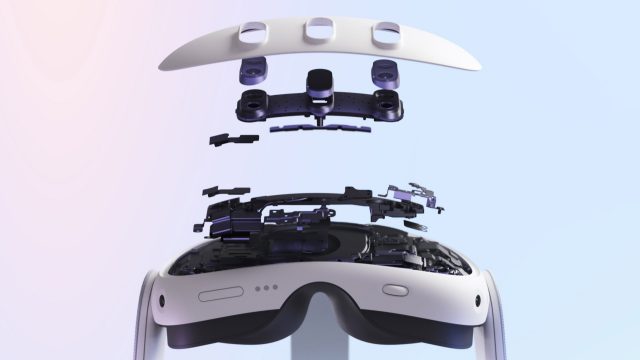
Previously, Battery Saver limited Quest’s refresh rate to 72Hz, applied fixed gaze rendering, and reduced brightness to 50%—something which could be toggled on in the settings to extend battery life.

The latest v76 release of Horizon OS however includes a new version of Battery Saver as default, putting the headset’s refresh rate to 90Hz, but critically capping many games at a nauseating 45FPS.

If users were unaware they could turn off Battery Saver, they would have no idea why the headset all of a sudden decided to act up, possibly even leading to blame falling on individual developers for poor optimization.

PSA: To disable Battery Saver on Quest 3, navigate to the “Power” settings within the “Device” menu in the settings app. Then, toggle off the “Power Saving Mode” option.

Notably, many Quest apps don’t use Application Spacewarp (AppSW), which some older titles implemented to smooth out low framerate stutter by generating synthetic frames between real frames, effectively doubling the perceived frame rate.

Bosworth says Meta is “rolling the fix out for that.” He further notes that while the usual staggering of Horizon OS updates “helps us identify regressions sooner,” the company could “do better on documentation” when it comes to patch notes. As it stands today, iterative Horizon OS patch notes are fairly paltry, often times only including a few line items without much explanation.

Here’s the full transcript of Bosworth’s comment below:

Yeah, good discussion and feedback from developers this last week on the stability and changes that we’re making in our rollouts, making sure that those are higher quality than they have been.

I think it’s great feedback. We’re taking it seriously for the battery saver issue. We’re rolling the fix out for that.

And more generally, I don’t think it’s the case that we’re rolling things out too quickly. I do think it’s just the case that we’ve got to have a stronger set of processes in place for quality control before things go out the door, which we’re doing.

We’re taking a serious look at this. We’re spending time on it. So we appreciate the feedback as always from developers. We take it seriously. That’s our responsibility. These are our mistakes. And we’re going to fix them.

And we understand that this is not casual. This is people’s livelihoods and time spent on the line that matters a ton in the experience that consumers have of people’s software.

So yeah, taking that seriously. We’re doing the work. I think staggering things helps because staggering things actually helps us identify regressions sooner. But I agree we could do better on documentation too.

The post Meta CTO Addresses Quest 3 Battery Setting Issue Following Bungled Horizon OS Update appeared first on Road to VR.


from Road to VR https://ift.tt/UK7Az5l
via IFTTT

Friday, 16 May 2025

Google Teases Android Smart Glasses Ahead of I/O Developer Conference Next Week

https://ift.tt/GZqpHLy

Google may be getting ready to unveil a pair of smart glasses at its Google I/O developer conference next week, ostensibly hoping to take on Ray-Ban Meta Glasses.

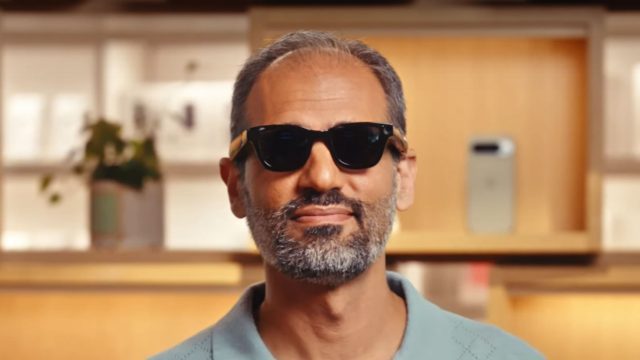
In a promo for Google I/O, Android Ecosystem President Sameer Samat showed off what appears to be a pair of smart glasses.

While Samat didn’t speak directly about the device, when donning the glasses, he said Google I/O attendees will have a chance to see “a few more really cool Android demos.”

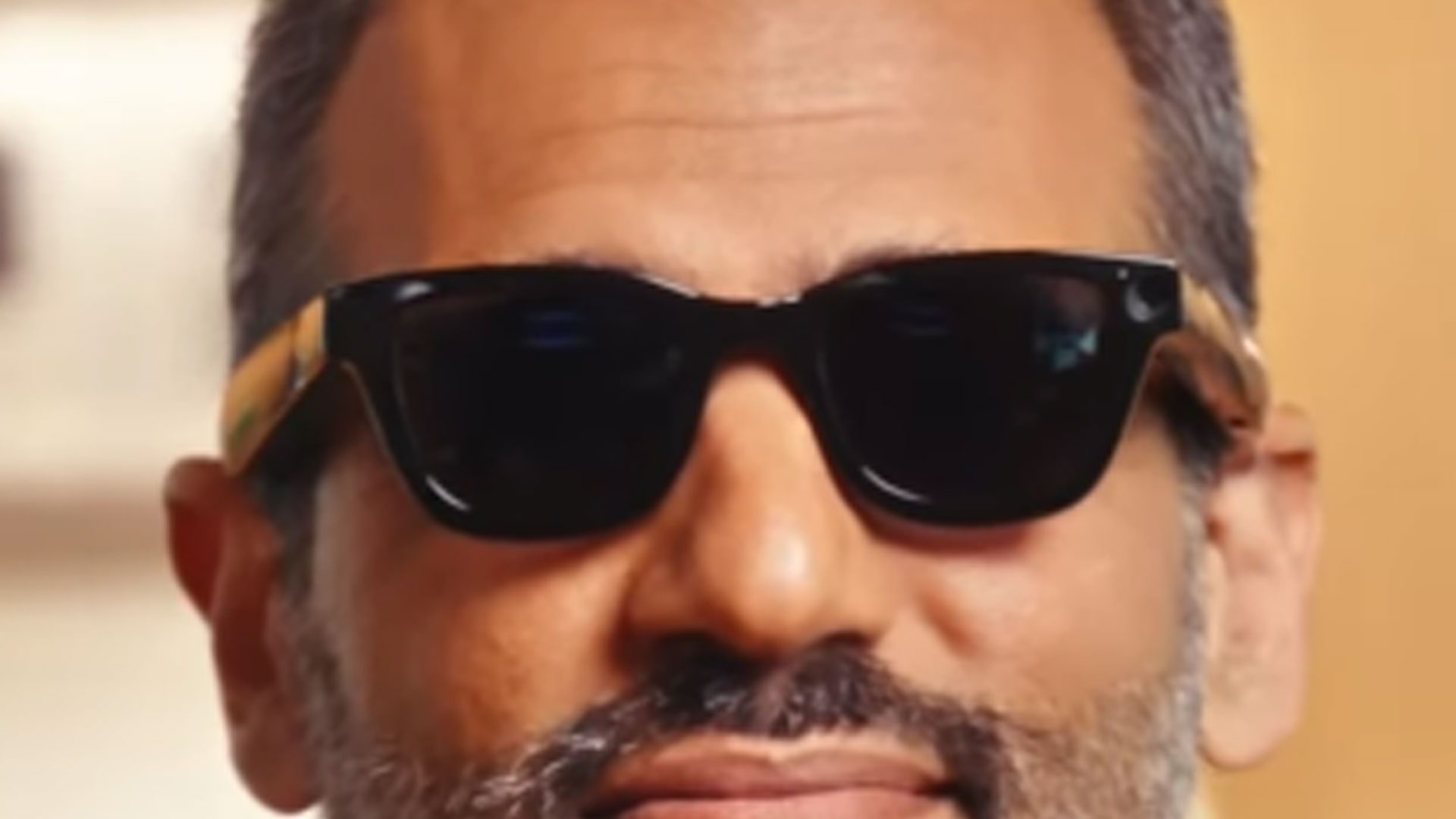
Using our CSI-style enhancement abilities (aka ‘crop a YouTube screenshot’), the distinctly Ray-Ban Wayfarer-style glasses appear to have a single camera sensor on the left temple.

Image courtesy Google

There also what appears to be an LED above the camera sensor, likely to inform others when video or pictures are being taken, which may indicate it’s going for feature parity with Ray-Ban Meta Glasses.

The glasses chunky arms are also likely packed with battery and onboard processors, which, owing to Samat’s tease, is probably running some version of its upcoming Android XR operating system. Notably, just under the left arm we can see a small slit close to Samat’s ear, possibly for integrated audio. Alternatively, it may not be a a slit at all, but rather a button of some sort.

Meanwhile Apple may be readying its own pair of smart glasses, with a recent Bloomberg report maintaining the company is now developing a processor specifically optimized for the task.

In any case, we’re hoping to find out more at Google I/O, which is slated to kick off May 20th – 21st where the company will feature livestreamed keynotes, developer sessions, and more. Outside of the keynote, which may actually mention Android XR, the event is set to include two developer talks specifically dedicated to Android XR.

We’ll of course be tuning in, although you can watch the keynote live on YouTube starting on Tuesday, May 20th at 10 AM PT (local time here).

Check out the moment below:

The post Google Teases Android Smart Glasses Ahead of I/O Developer Conference Next Week appeared first on Road to VR.


from Road to VR https://ift.tt/rhDCPB0
via IFTTT
Related Posts Plugin for WordPress, Blogger...