
Wednesday, 18 December 2024

‘Alien: Rogue Incursion’ Review – A Thrilling but Repetitive Fight Through Xenomorph Hordes

https://ift.tt/HrUWElM

Alien: Rogue Incursion is the first full-blown VR-native in the storied franchise, serving up hordes of Xenomorphs in an authentically ‘Aliens’ universe. Developed by VR veteran studio Survios (Creed: Rise to Glory, The Walking Dead: Onslaught), Rogue Incursion presents a veritable balancing act of combat and exploration through its dark and gritty cinematic universe, which definitely offers pulse-raising encounters with raptor-like packs of the game’s namesake. It also feels overly encumbered by the sheer repetition of random alien encounters and its equally punishing save system.

Alien: Rogue Incursion Details:

Developer: Survios
Available On: SteamVR, PSVR 2, (coming to Quest 3 early 2025)
Reviewed On: Quest 3 via PC Link
Release Date: December 19th, 2024
Price: $40

Gameplay

Unlike Alien: Isolation (2014), where you’re basically helpless to stealthily sneak by a singular Xenomorph, Rogue Incursion has armed you with numerous weapons, and as a result, has put a slew of more numerous, but decidedly less impactful enemies in your way. Still, it’s a tried and true recipe for the franchise, which you’ll find in everything from Aliens: Colonial Marines (2013) to Aliens: Dark Descent (2023).

Essentially, Rogue Incursion builds pressure by making aliens super powerful and super easy to kill, but also super prevalent. Aliens can kill you with one or two swipes of their claw, but they’re also bullet sponges susceptible to a quarter mag from a pulse rifle or three revolver shots, handily turning them into a pile of acidic goo—which you better not step on.

View post on imgur.com

That said, don’t be fooled by the first few hours of the game, as you easily dispatch baddies with a few casual blasts. What Xenomorphs lack in armor, they make up for in numbers, eventually serving up a fever pitch of rough encounters in the second half of the game that will have you blasting away and reloading like a maniac against a whole pack of X-rays. The lack of variety in enemy types and repetitive encounters do spoil the fun somewhat, as you always know what’s waiting for you around the corner; just not the number of them.

With lots of baddies, you’d expect to find a ton of ammo and health packs too, although the rub is the game’s only two consumables are pretty scarce, which increases pressure to get every shot right—all the while tackling the game’s routine assortment of environmental puzzles, such as rewiring door panels, and fetching keys and accessing terminals for various reason, all of which forces you to keep your head on swivel for incoming baddies lurking behind you. Nowhere but the save points in Panic Rooms dotted throughout levels are truly safe.


Thus far, it’s a winning recipe, especially considering the fit and finish of the game’s environments and enemies, which agilely clatter through the science station’s sieve of ventilation shafts. By straddling the horror and action-adventure genre though, Rogue Incursion presents its own unique set of pros and cons.

It took me a while to really pin down why it was so good at making me feel anxious—it definitely does the job. After the first few hours, it really started sink in that it wasn’t for the sake of the creepy crawly killing machines, which seemingly slink in from anywhere and can even climb the ceiling above me. It’s what they represent: resource depletion and having to repeat a laundry list of tasks after eventually dying and reappearing at a far-flung manual save point back at the Panic Room. That’s a frustration I wish weren’t a part of the game’s otherwise clever formula.


The lack of automatic saves makes things harder on any difficulty level, which could mean going up an elevator, wiring a door panel, crawling through an access tunnel, hearing a narrative beat from your on-again off-again android companion ‘Davis 01’, running through an entire new section of the game, wiring another door panel, getting ammo, and then being forced to repeat everything upon an untimely death. It sounds exhausting because it is.

My fear of the being ganked by a Xenomorph was gradually replaced by a mental checklist of tasks I had to repeat. It’s an old school philosophy to game development, which I definitely respect, but its one rarely seen in games that put such a heavy emphasis on narrative progression. You’d expect a save point after completing an important task, or right before entering a difficult arena-style fight, but that’s simply not the case.

This comes in stark contrast to the game’s sprawling levels, which offer plenty of opportunities to get extra equipment and learn more about the world through found notes. Traversing the busted station however comes at a price. Should you really explore everywhere to read a ineffectual email about supply requisition, or scavenge a clip of ammo or a health syringe only to expend them instantly when two aliens pop out on your way back to the original fork in the road? Because you can’t ‘clear’ levels, anywhere you go is dangerous, effectively discouraging ancillary exploration.

The constant threat of being tossed back to a far away save point also limits the amount of attention I can pay to the game’s many found notes, which include both audio tapes and written logs on terminals. More on those below.

Immersion

For all of my frustrations with Rogue Incursion, it absolutely smashes the Alien franchise aesthetic out of the park, creating a foreboding atmosphere across its massive levels, which notably load dynamically for an unbroken gaming experience. You won’t be sitting around waiting in loading screens beyond the initial boot-up process.
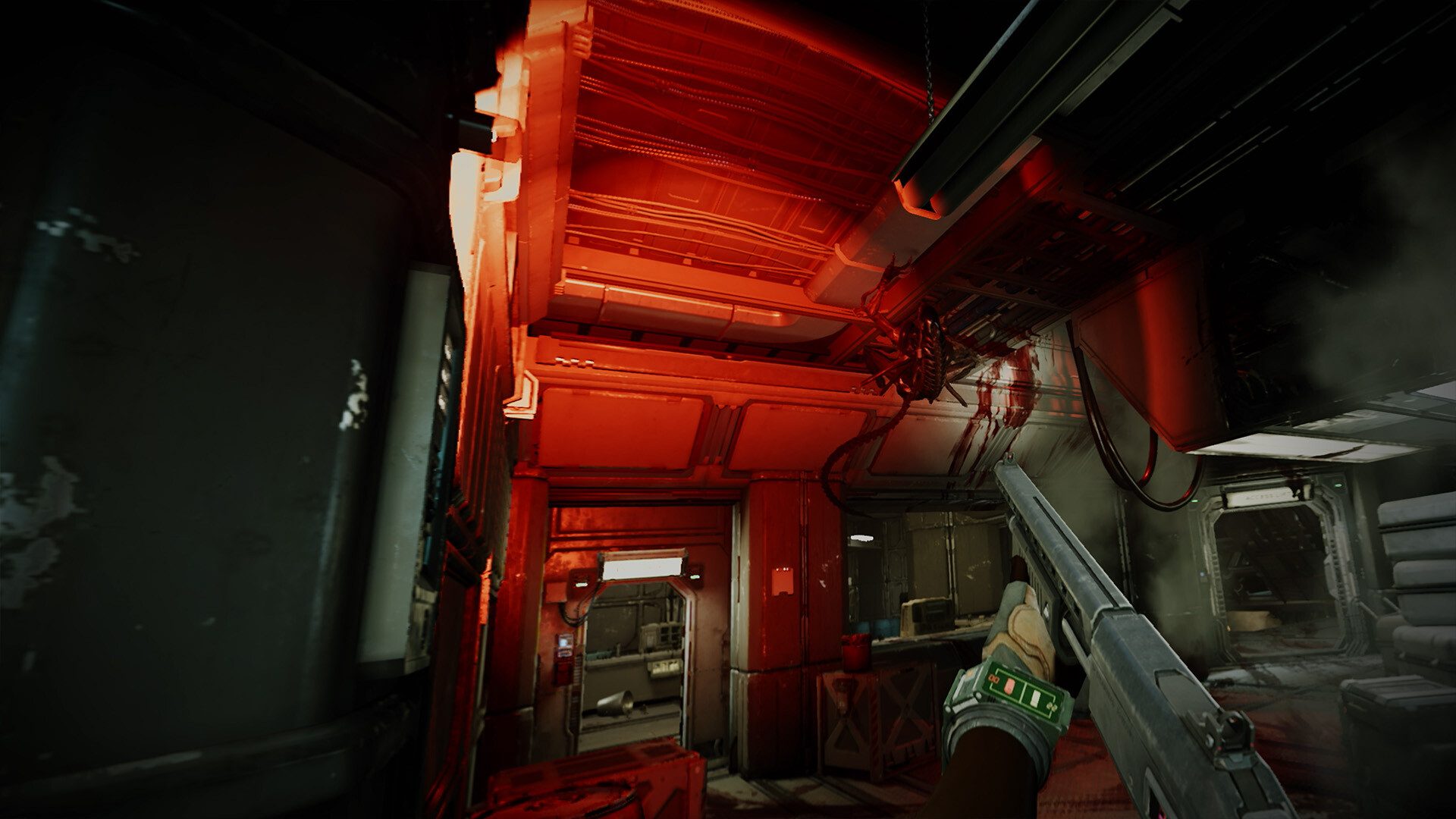
Image courtesy Survios

And the level of detail is amazing—even on my below min-spec PC gaming rig. Packing a Nvidia GeForce GTX 1080 and aging Intel Core i7-6700K CPU, I was able to play on medium settings with no real hiccups when using my Quest 3 via Meta’s PC Link.

Another high point is the game’s narrative, which offers a few exciting twists that I won’t reveal here, and a difficult battle that caps off the game, which takes around eight hours to beat—eventual level setbacks included.

Marring some of this, the game has a bit of jank when it comes to its physics-based object interactions. Weapons work well, although I always found myself ineffectually grabbing levers and fumbling the game’s inventory system, which is split between body-worn stuff, like grenades, guns and ammo, and a quick select inventory, brought up with a button push, for tools like a blow torch, wire clamp, my tablet and access key card.


Inventory and interaction systems can feel just a little too cumbersome to be truly friction-free though. The most frustrating was how object placement was too loosely tied to your body’s actual position. In any mode, standing, seated in fixed position, or swivel chair, I was always second guessing my gear’s actual position, leaving me to scramble for a bit of ammo I thought was at my hip, but had shifted somehow to be in front of me, requiring me to constantly look down and fumble for it, or periodically recalibrate my position in the menu in hopes it would fix things temporarily. In the end, I had to do a lot of looking down to find my gear, which left me at a disadvantage.

Realism in shooting and reloading is high, which is a double-sided sword when it comes to immersion. You have to delicately reload shell-by-shell on both the revolver and shotgun, which takes 10-15 seconds. I admire the game’s realism here, but wish there was a suitably sci-fi excuse why I might be able to load all of my shells at the same time for quicker reactions.


Sadly, one of the least useful bits of kit in the game is invariably the series’ classic movement radar, as it’s both a massive thing that clatters against everything, and is essentially useless since a sound effect always precedes an alien’s appearance. Both the shotgun and pulse rifle are better operated with two hands, so I tended to keep an ear out for skittering X-rays instead of awkwardly shifting between weapons.

Comfort

With only few exceptions, Alien: Rogue Incursion is a very comfortable game. There are brief moments of forced locomotion that could be uncomfortable for some, namely when Xenomorphs grab and eat you, but they’re well vignetted. You won’t find rollercoaster rides, or anything else (besides the togglable camera shake) that might send you reeling.

It also features all standard comfort options (excluding teleportation), including smooth and variable snap-turn, variable strength movement vignettes, and both standing and two seating options (fixed and swivel).

Alien: Rogue Incursion’ Comfort Settings – December 18th, 2024

Turning
Artificial turning
Snap-turn ✔
Quick-turn ✔
Smooth-turn ✔
Movement
Artificial movement
Teleport-move ✖
Dash-move ✔
Smooth-move ✔
Blinders ✔
Head-based ✔
Controller-based ✔
Swappable movement hand ✔
Posture
Standing mode ✔
Seated mode ✔
Artificial crouch ✔
Real crouch ✔
Accessibility
Subtitles
Languages
English, French, Italian, German, Japanese, Korean, Polish, Portuguese – Brazil, Russian, Simplified Chinese, Spanish – Latin America, Traditional Chinese
Dialogue audio
Languages English
Adjustable difficulty ✔
Two hands required ✔
Real crouch required ✖
Hearing required ✖
Adjustable player height ✔

The post ‘Alien: Rogue Incursion’ Review – A Thrilling but Repetitive Fight Through Xenomorph Hordes appeared first on Road to VR.


from Road to VR https://ift.tt/SqpjHLb
via IFTTT

Tuesday, 17 December 2024

Lynx Confirms Android XR For Next Headset, Sony & XREAL Also On-board for Google’s OS

https://ift.tt/TVDcX0B

Although Android XR isn’t properly open-source for the time being, Google hopes the OS will run on multiple partner headsets. While Samsung is said to be the first to launch an Android XR headset, Sony, Lynx, and XREAL are also planning to use the operating system.

Meta announced earlier this year that it intends to open its Quest’s Horizon OS operating system to third-parties, but now Android XR presents another choice for headset makers.

According to Google, Sony, Lynx, and XREAL are on board with Android XR.

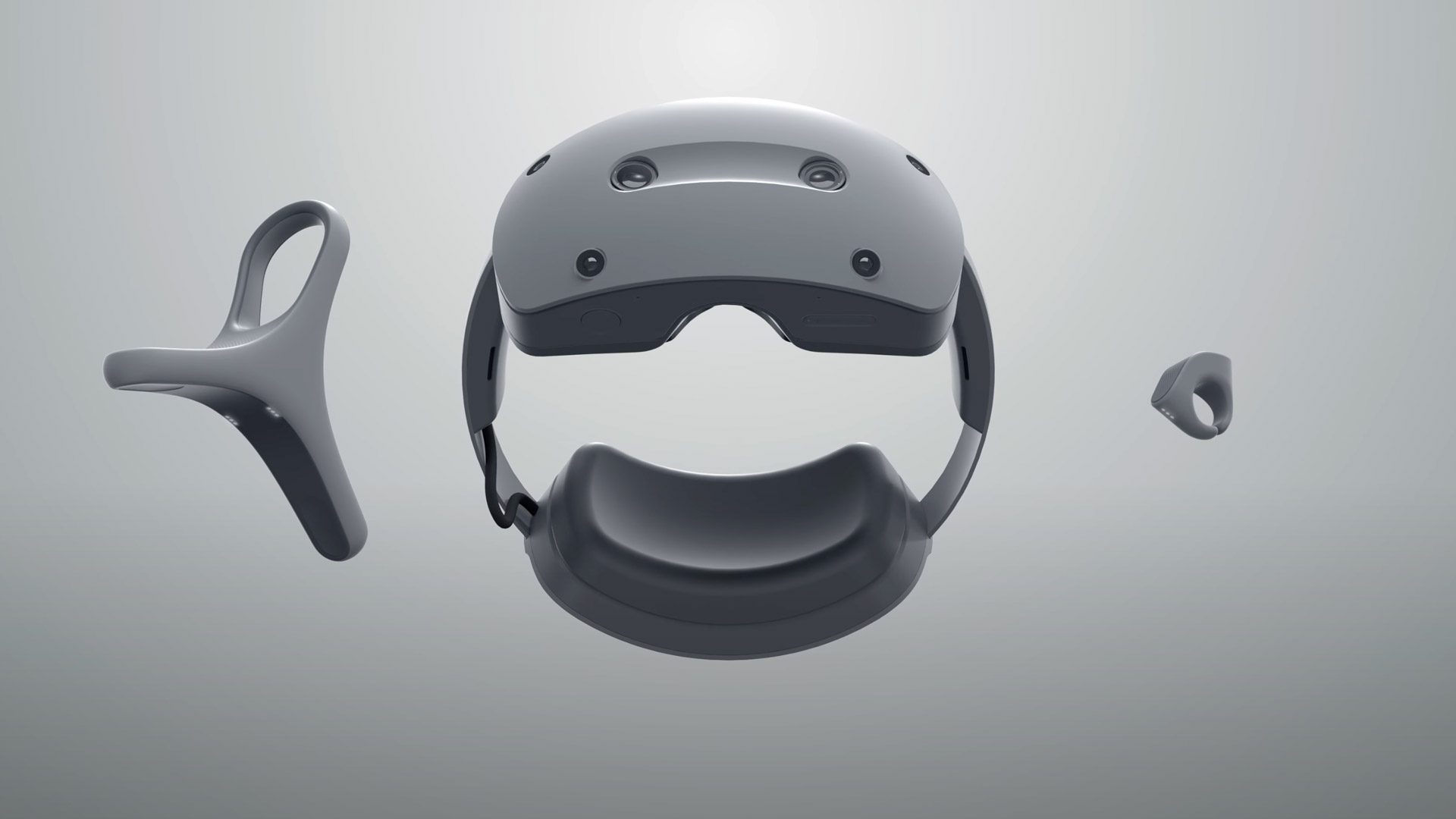
Sony SRH-S1 MR headset | Image courtesy Sony

For Sony’s part, its SRH-S1 enterprise-focused MR headset is very likely the first target for Android XR. When we went hands-on with the headset earlier this year, the company was tight-lipped about whether it was building its own platform and where users could source content from. Android XR makes a lot more sense for the company than trying to build out its own XR OS and platform.

As for Sony’s current and future PSVR headsets, we expect they’ll continue to be tied directly to the PlayStation OS rather than switch to Android XR.

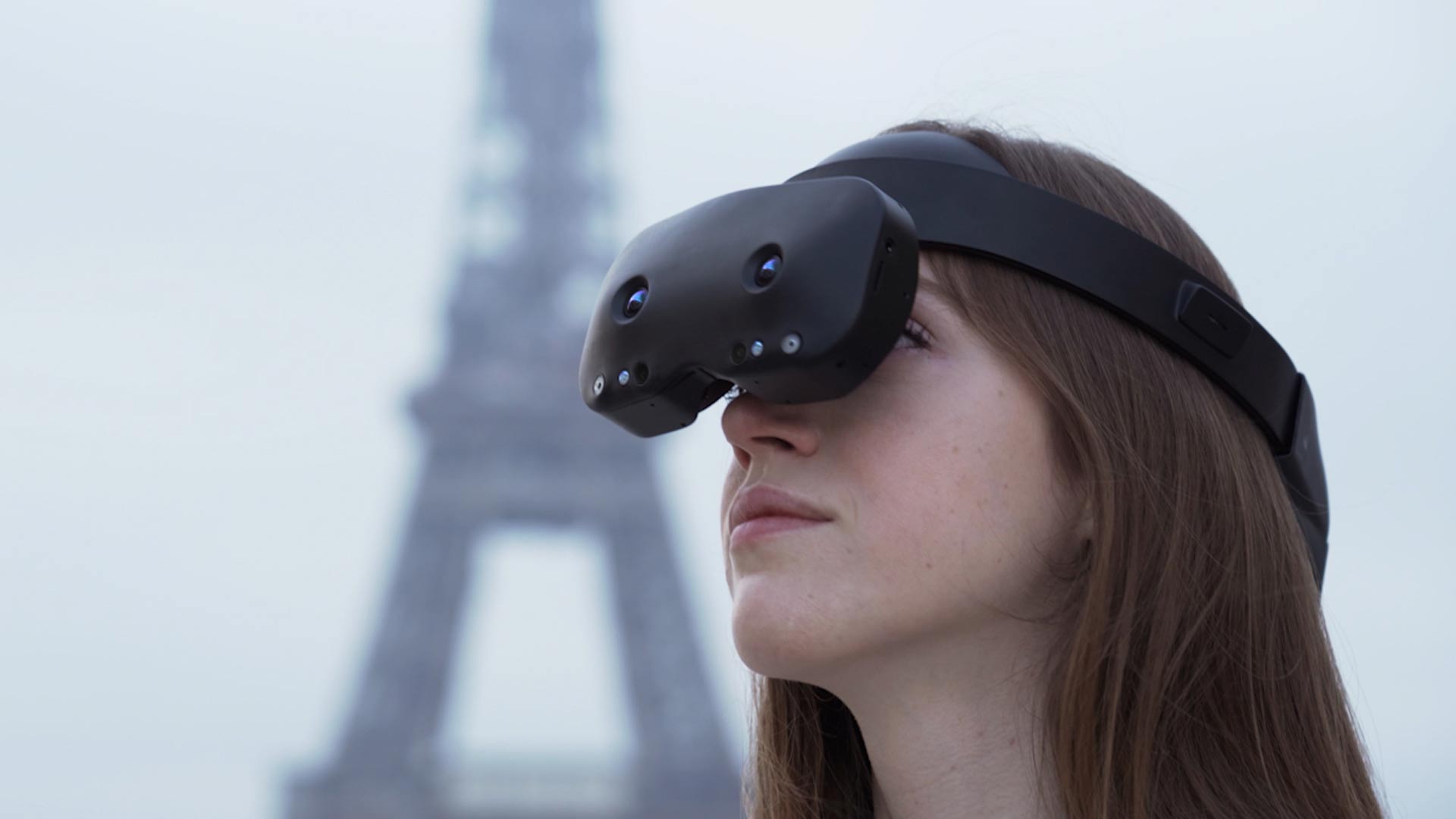
Lynx R-1 MR headset | Image courtesy Lynx

Lynx R-1 is a long-in-development MR headset that has struggled to make it fully to market. Part of that struggle, naturally, is building out a software stack that does everything an XR headset needs to do.

Lynx founder Stan Larroque tells Road to VR the R-1 won’t adopt Android XR, but future headsets from the company will. Making this move could well put the company in a better position for the future, by reducing software development costs and giving its headsets access to a larger ecosystem of apps and content.

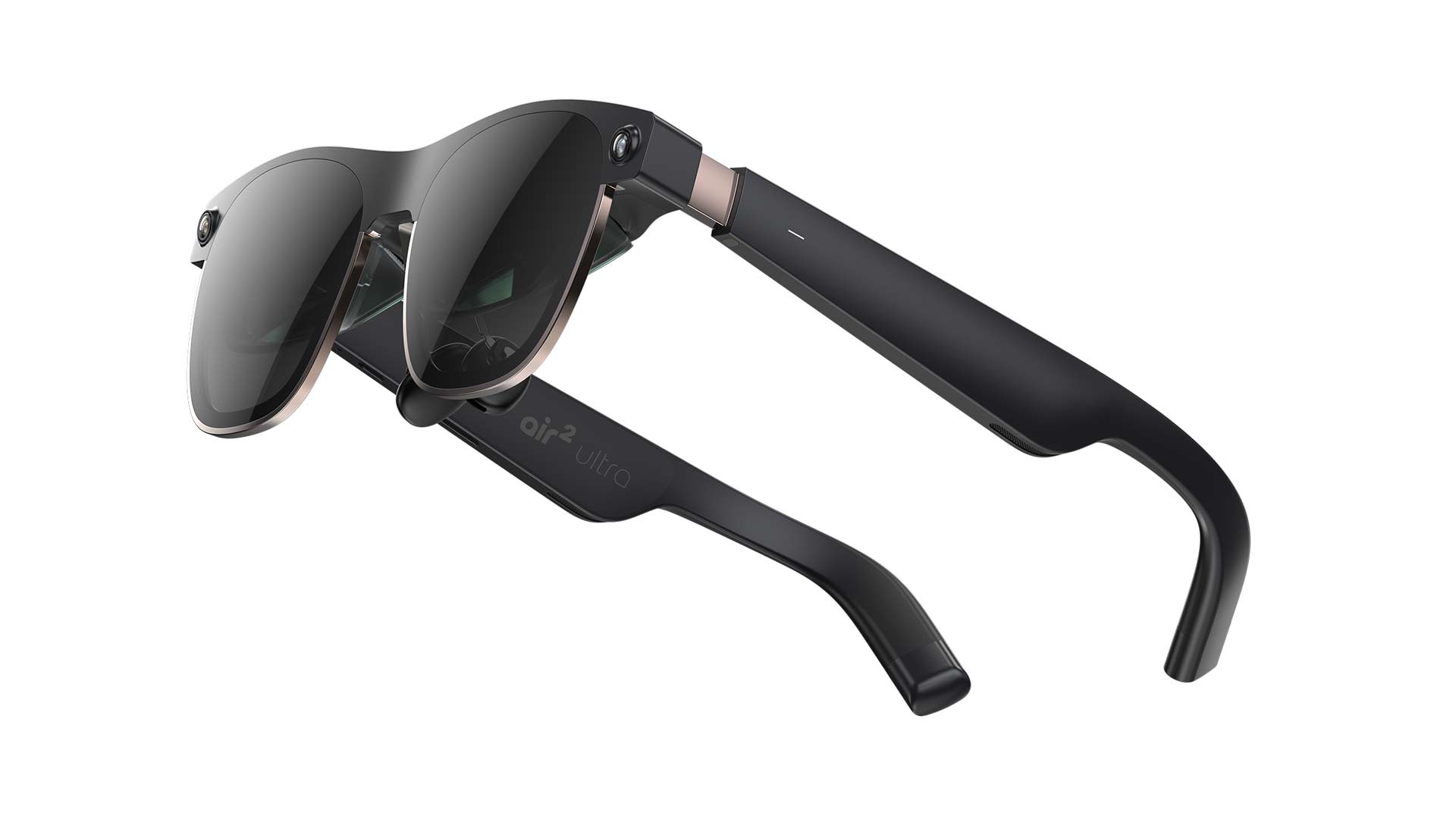
XREAL Air 2 Ultra AR Glasses | Image courtesy XREAL

As for XREAL—a company building AR glasses primarily made to provide a large floating screen that projects content from other devices—it’s not clear yet exactly how they will use Android XR. But a good bet is that it will be the basis for future devices from the company.

While both Meta and Google are open to allowing their XR OS to work on third-party headsets, they’re still the gatekeepers. Neither Horizon OS nor Android XR are actually ‘open’ at this point. Only hand-picked partners can build on either OS.

But now that both operating systems are in play, there’s increased pressure for both to strive to be the ‘more open’ of the two. That pressure could quickly lead one or both companies to make their XR OS properly open for anyone to use.

The post Lynx Confirms Android XR For Next Headset, Sony & XREAL Also On-board for Google’s OS appeared first on Road to VR.


from Road to VR https://ift.tt/M0YvS7G
via IFTTT

Monday, 16 December 2024

Blackmagic’s New 8K Camera for Apple Immersive Video is Pre-ordering Now for $30,000

https://ift.tt/e3CYraJ

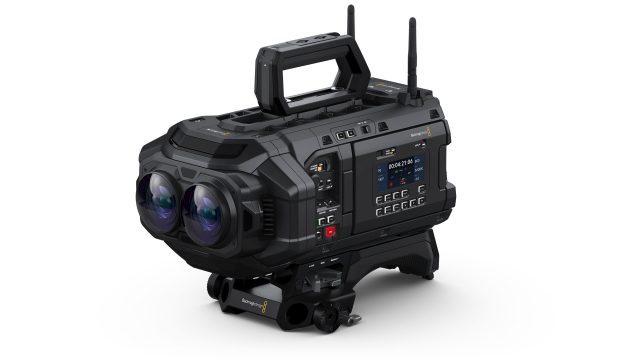
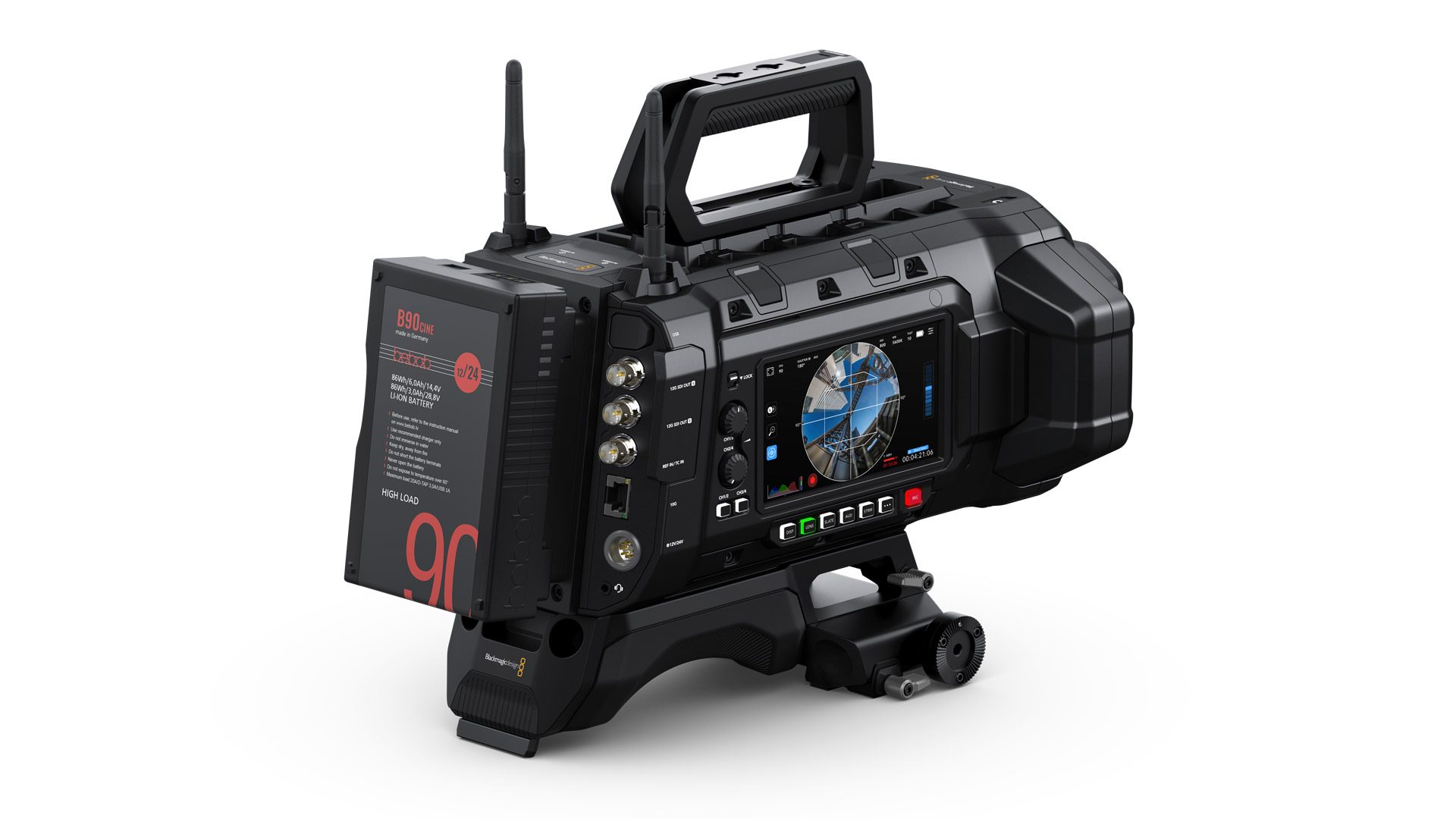
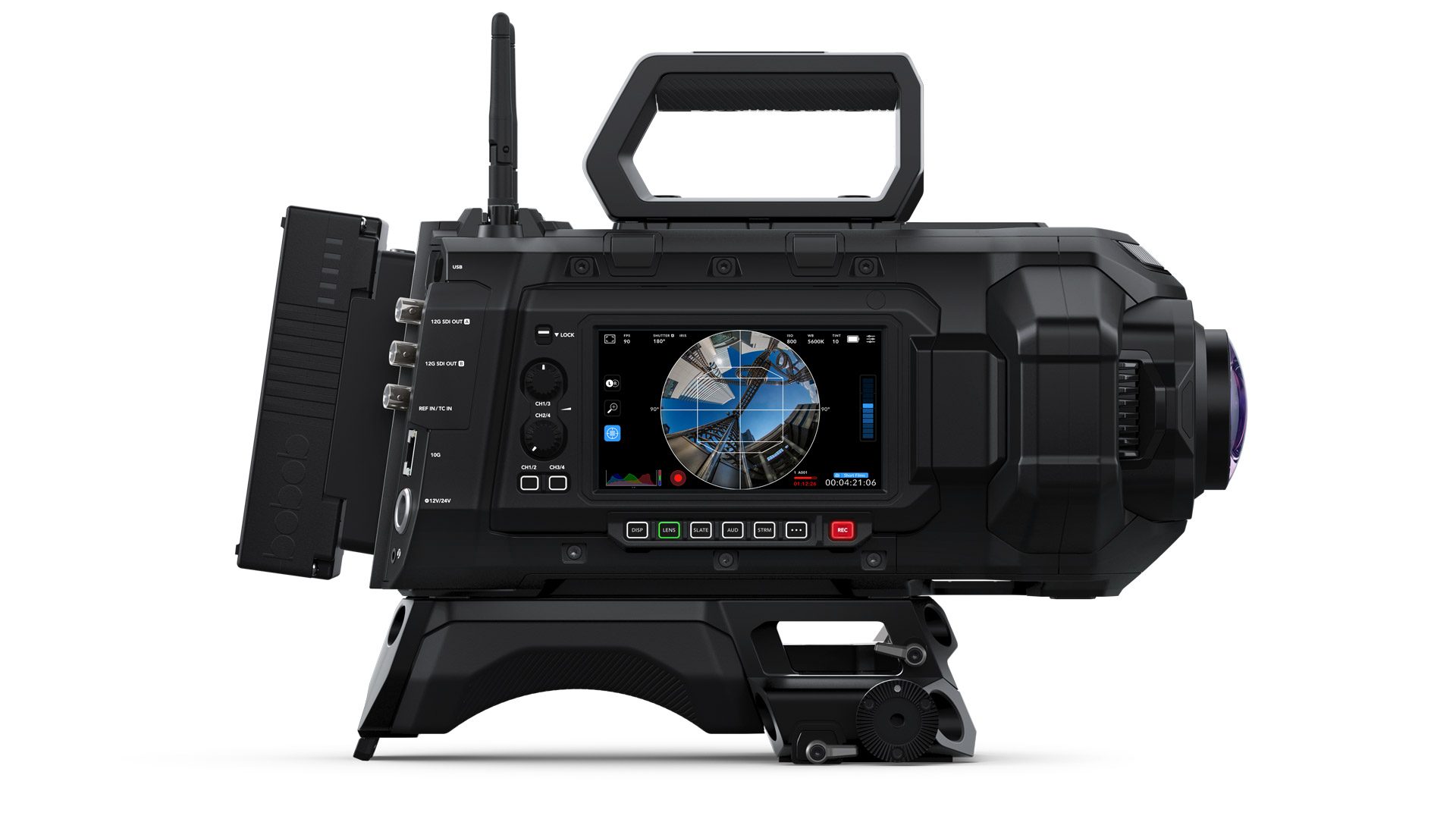
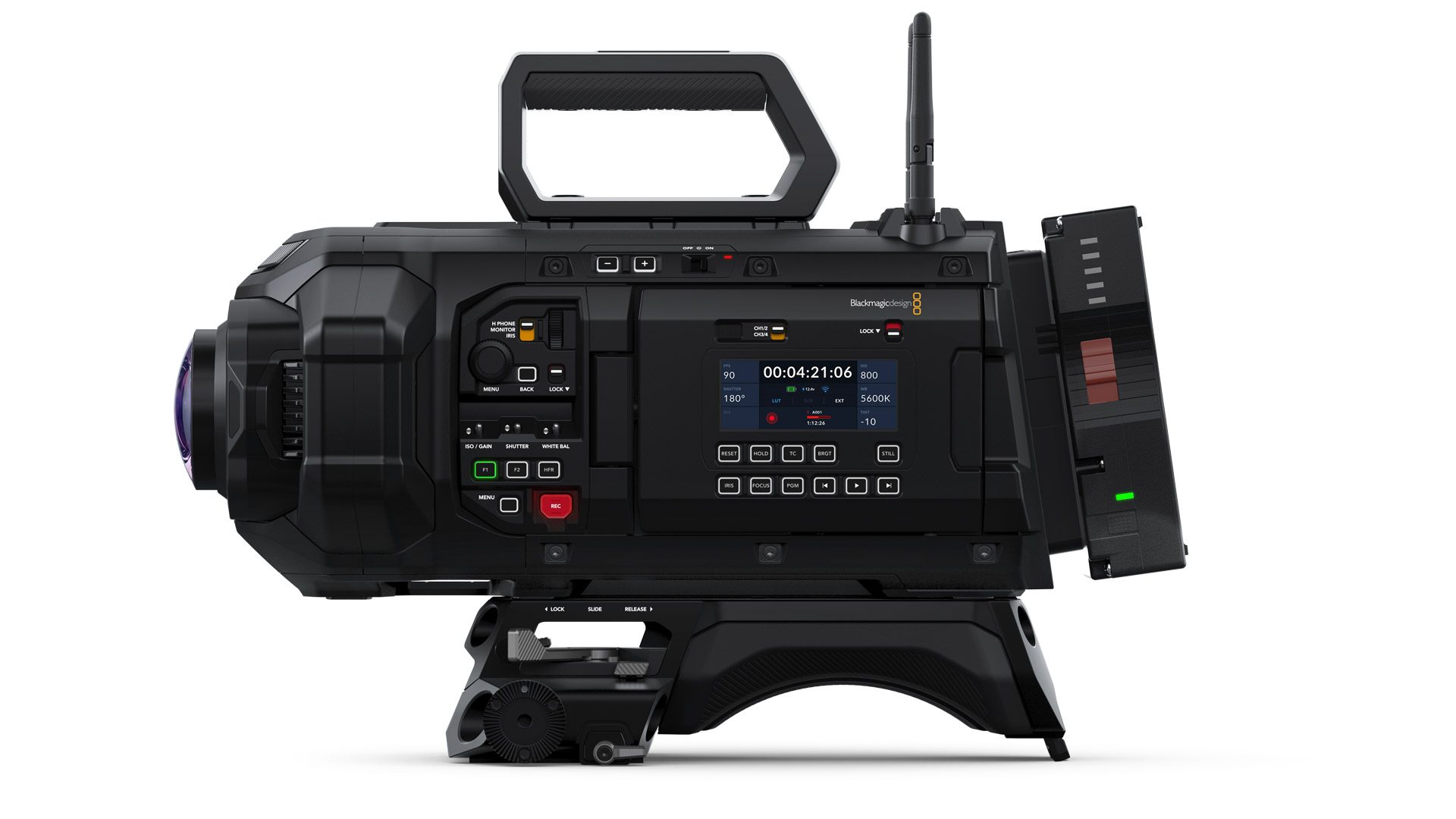
Blackmagic Design has revealed full specs and details for its new URSA Cine Immersive camera, specially designed to shoot 8K VR180 footage for the Apple Immersive Video format. Pre-orders for the $30,000 camera are open now, with shipping planned for Q1 2025. A forthcoming update to DaVinci Resolve Studio (also made by Blackmagic) adds editing tools specifically for Apple Immersive Video, including support for calibration data from the camera.

Apple Immersive Video is a 180° 3D video format intended for playback on Apple Vision Pro. Early versions of Blackmagic’s URSA Cine Immersive are likely the cameras used to film Apple Immersive Video content currently available on the headset.

Now the camera is being made available commercially, with pre-orders available for a cool $30,000. Though certainly expensive, this is in-line with many other high-end cinema cameras.

The URSA Cine Immersive is specially made to capture Apple Immersive Video, featuring a pair of 180° stereo lenses, capturing 59MP (8,160 x 7,200) each, with 16 stops of dynamic range. The camera can shoot up to 90 FPS in the Blackmagic RAW format, which also embeds calibration data (unique to each camera) that’s carried into the editing process for more precise and stable footage.

The forthcoming update to the DaVinci Resolve Studio editing software will include features specific to editing footage from the camera:

  • Immersive Video Viewer: Pan, tilt, and roll clips on 2D monitors or directly on Apple Vision Pro
  • Seamless Transitions: Clean master files using metadata-based bypass for Apple Vision Pro transitions
  • Export Presets: Streamlined delivery to Apple Vision Pro-ready packages

Both Blackmagic and Apple hope the release of the camera and streamlined editing workflow will make it easier for filmmakers to capture and release content in the Apple Immersive Video format.

It’s unclear if the camera and editor will work equally well for capturing VR180 footage for playback on other platforms and headsets, or if there’s something proprietary to the Apple Immersive Video format that would prevent straightforward compatibility and multi-platform releases.

The post Blackmagic’s New 8K Camera for Apple Immersive Video is Pre-ordering Now for $30,000 appeared first on Road to VR.


from Road to VR https://ift.tt/QYWTNbK
via IFTTT

Friday, 13 December 2024

Android XR Creates a Major Dilemma That Will Make or Break Meta’s XR Ambitions

https://ift.tt/HmG8V1k

Meta has publicly stated that it wants to be “the Android of XR.” But you know who else wants to be the Android of XR? Android XR, of course.

Beyond debates about specs or features, one major factor is likely to determine whether Meta can fend off growing pressure from Google and Apple in the XR landscape: flat apps.

Flat apps—like Spotify, TikTok, Snapchat, and Discord—aren’t the most exciting use case for a headset. But Vision Pro (which supports a massive library of flat iPadOS apps) has shown just how much value is added by fusing the XR experience with the apps we already know and love (rather than completely separating us from them when we put on a headset). And now Android XR is making the same play by supporting all existing Android apps on the Play Store.

While Meta’s headsets excel in gaming, it’s clear that XR’s potential extends far beyond gaming alone.

A company focused solely on gaming (like Nintendo) will never reach the scale of a company building a broader computing platform (like Microsoft). That’s why Microsoft is worth 43 times as much as Nintendo. Admittedly, this isn’t a perfect comparison (as Microsoft does much more than just build a computing platform), but hopefully the analogy is clear.

So between Meta and Google, we have two XR platforms:

  • Meta’s Horizon OS has the largest and best library of immersive apps.
  • Google’s Android XR has the largest and best library of flat apps.

To dominate XR, both need what the other has. But who faces a bigger challenge?

Meta, it seems, is in a tougher spot.

Immersive app developers are hungry for growth. If a popular game can gain 25% more users by porting to Android XR, the decision if obvious.

By contrast, major flat apps (like Spotify, TikTok, Snapchat, and Discord) stand to gain relatively little growth from porting to Horizon OS. They’d be lucky to gain even 0.25% more users than they already have on the entirety of Android.

And you might be thinking, “Horizon OS is based on Android, so porting apps should be easy!” That’s true—the technical side of porting may be relatively simple. But for massive apps with huge userbases and constant updates, the real challenge is in the ongoing support and maintenance, which is no small commitment.

As a result, Google is better positioned to attract key immersive apps to Android XR than Meta is to bring critical flat apps to Horizon OS. Without a critical mass of flat apps, Meta’s headset risk being relegated as immersive gaming consoles rather than general computing devices.

And that’s very much not where Meta wants to be. In fact, the whole reason Meta got into XR a decade ago was quite literally to control XR as the “next computing platform” before Apple or Google could take over.

You may not find flat apps to be an essential part of the XR experience, but there’s no doubt that if one platform has both key flat apps and key immersive apps, it will beat out the platform that has only one or the other.

Even if Meta makes better hardware (let’s say they just consistently make headsets that are 20% faster, lighter, and cheaper than the equivalent Android XR headset), I still don’t think that will matter in the long run, compared to whether or not they have core flat apps available on their platform.

This is an existential risk to Meta’s XR ambitions, and one that doesn’t have any obvious solutions.

The post Android XR Creates a Major Dilemma That Will Make or Break Meta’s XR Ambitions appeared first on Road to VR.


from Road to VR https://ift.tt/yTpmCsb
via IFTTT

Thursday, 12 December 2024

Unity Promises Day-one Support for Android XR, Including Easy Ports for Existing Quest Content

https://ift.tt/yVloXfa

Meta Quest developers looking to port their Unity-based apps to Google’s newly unveiled Android XR operating system shouldn’t have a tough time of it, Unity says, as the game engine creator today released all of the tools devs need to get cracking.

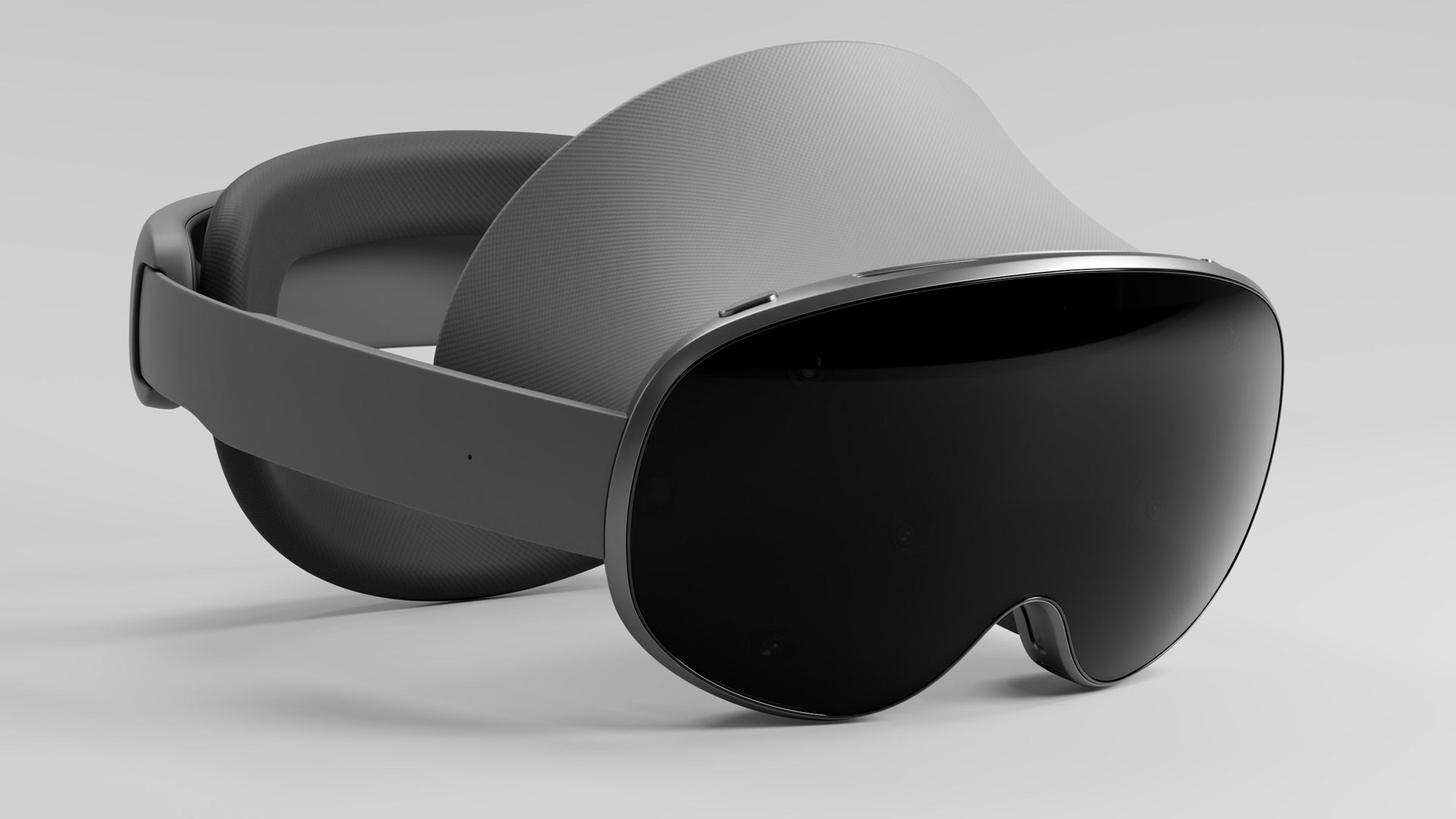
Google unveiled its Android XR operating system today, which is coming first to the newly revealed Samsung mixed reality headset, “Project Moohan,” slated for consumer release in 2025. The short of it: details are still very thin, although Samsung’s prototype feels like a mashup of Quest and Apple Vision Pro, which you can read more about in our hands-on.

And Unity, maker of the most popular game engine for XR app developers, announced they’ve partnered with Google to provide official platform support for Android XR. So, starting today, app developers can both build as well as port existing games and experiences to upcoming Android XR devices.

Samsung Project Moohan | Image courtesy Google

Developers opted into the Public Experimental release of Unity 6, which is available for all versions, can start now, which includes dedicated documentation and optimizations to help create performant and comfortable experiences, Unity says.

Unity’s XR tools also feature support for a list of modern features, including hand and eye-tracking, occlusion, foveated rendering, composition layers, and more features designed to make it “easy to start fresh or expand your audience by bringing existing apps and games to Android XR,” the company says.

Apps that already integrate OpenXR will ostensibly be the easiest to port, with Unity citing studios like Owlchemy Labs and Resolution Games, which have brought their Unity apps to Android XR with “minimal effort,” the company says.

“This is as simple a port as you’re ever going to encounter. Plus, it’s not going to break your four-person studio—or your 400-person studio—to make it happen,” says Owlchemy Labs CEO Andrew Eiche.

For now, Google has only shown off Android XR working on Samsung’s prototype in addition to a pair of prototype smartglasses we got to try on (re: not AR), although it and Unity making porting easy for Quest developers feels like a strong opening gambit.

While Android is generally known for its broad device support, it’s likely the company will need to keep a fairly short leash on the sort of devices it hopes to support with Android XR though. Granted, it’s the earliest of early days for Android XR—we don’t even know the specs, price, release date, name, etc for Samsung’s headset.

Still, Google ostensibly has its sights on capturing a substantial slice of the XR market in the coming years. Notably, in addition to VR content, Android XR supports the entire existing library of standard Android apps as well as “spatialized” versions of those apps, undoubtedly positioning Google as a “day-1” player in the XR space, and competitor apparent to both Meta’s Quest platform and Apple Vision Pro.

– – — – –

We’re still learning about Android XR; we haven’t heard whether other major game engines, like Epic’s Unreal Engine, are offering similar support. It is however a good bet though, considering Unreal Engine has supported OpenXR for a number of years now. Road to VR will of course be following all things Android XR, so make sure to check back soon for more.

The post Unity Promises Day-one Support for Android XR, Including Easy Ports for Existing Quest Content appeared first on Road to VR.


from Road to VR https://ift.tt/YpAZuRJ
via IFTTT

Apple Vision Pro Gets Ultrawide Mac Virtual Display in visionOS 2.2 Release

https://ift.tt/dTo3Har

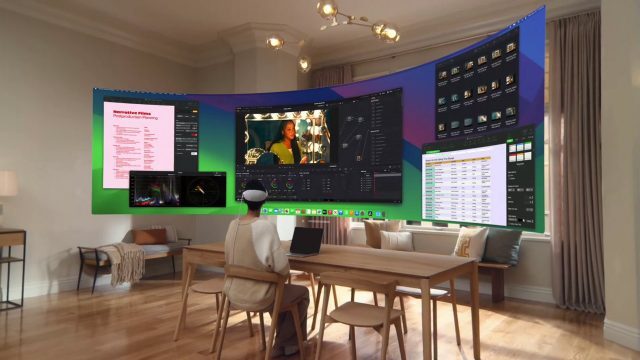
Previously only available in beta, Apple has now pushed its panoramic display feature to all Vision Pro users, bringing the choice of three virtual screen sizes when using Mac Virtual Display.

Mac Virtual Display initially launched with a single virtual screen size back in February, which also allowed users to have multiple app windows, although screen real estate was somewhat limited for a device opining to be a general computing machine first, entertainment device second.

Now, in visionOS 2.2, all Vision Pro users have access to two new display formats: ‘Wide’ (21:9) and ‘Ultrawide’ (32:9), the latter of which is said to allow for max resolutions “equivalent to two 4K monitors, side by side,” Apple said at its unveiling in June. Mac-side dynamic foveated rendering also keeps content “sharp wherever you look,” the company added.

The feature requires a Mac computer with macOS Sequoia 15.2, which covers a pretty wide range of devices, including everything from 2017-era iMac Pros to the company’s latest M4 chip MacBooks.

Additionally, the visionOS 2.2 update also includes support for iOS’s Personal Hotspot feature, which the company says now lets you share the cellular data connection of your iPhone or iPad with other devices, including Vision Pro, effectively giving you access to 5G download speeds.

The post Apple Vision Pro Gets Ultrawide Mac Virtual Display in visionOS 2.2 Release appeared first on Road to VR.


from Road to VR https://ift.tt/ANVoy2k
via IFTTT

Wednesday, 11 December 2024

‘Beat Saber’ Gets Metallica Music Pack, Its Biggest (and most expensive) Paid DLC to Date

https://ift.tt/yKxq1RW

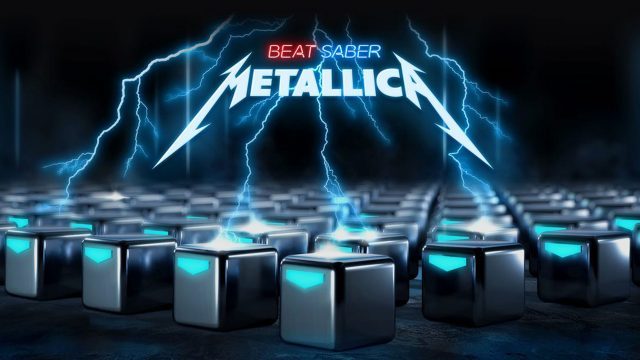
Beat Saber (2018) just dropped a massive Metallica music pack, bringing some of the band’s greatest hits to VR’s favorite block-slashing rhythm game.

The Metallica Music Pack is one of the biggest and most expensive to date, priced at $20 for 17 songs or $2 per song. Previously, paid Beat Saber music packs were priced no higher than $15 and typically included around a dozen tracks.

It does however include some of the band’s greatest hits, such as Enter Sandman, Nothing Else Matters, and Master of Puppets, topping out at a runtime of one hour and 41 minutes.

Check out the full track list below:

  • Atlas, Rise!
  • Battery
  • Blackened
  • Creeping Death
  • Enter Sandman
  • Fade to Black
  • For Whom the Bell Tolls
  • Fuel
  • Hit the Lights
  • King Nothing
  • Lux Æterna
  • Master of Puppets
  • Nothing Else Matters
  • One
  • Sad But True
  • Seek & Destroy
  • The Unforgiven

Tracks include a custom environment ostensibly inspired by the band’s live concerts, including pillars made of a bent metal with support scaffoldings, lasers, fire and lighting effects.

To boot, Meta-owned developer Beat Games says in the DLC’s announcement the Metallica Music Pack includes some of the game’s “most challenging levels.”

In addition to including Arc and Chain notes and supporting multiplayer, the Metallica Music Pack brings a new gameplay feature, called ‘Variable Note Jump Speed’, which changes the speed of incoming blocks depending on the intensity of the song.

Beat Games says Variable Note Jump Speed and its newly introduced ability to change the color of blocks will both be “a regular feature of future Beat Saber levels moving forward.”

If you don’t already own Beat Saber (regularly priced at $30), you can grab the base game bundled with the Metallica Music Pack, discounted to $40 until January 31st, 2025 before it returns to its full price at $45. You can find the bundle over on Quest, PSVR 2 and SteamVR headsets.

The post ‘Beat Saber’ Gets Metallica Music Pack, Its Biggest (and most expensive) Paid DLC to Date appeared first on Road to VR.


from Road to VR https://ift.tt/kPgruDv
via IFTTT
Related Posts Plugin for WordPress, Blogger...