
Monday, 25 March 2024

‘Max Mustard’ Review – An ‘Astro Bot’ Style VR Platformer That Cuts the Mustard

https://ift.tt/Qtm5hMi

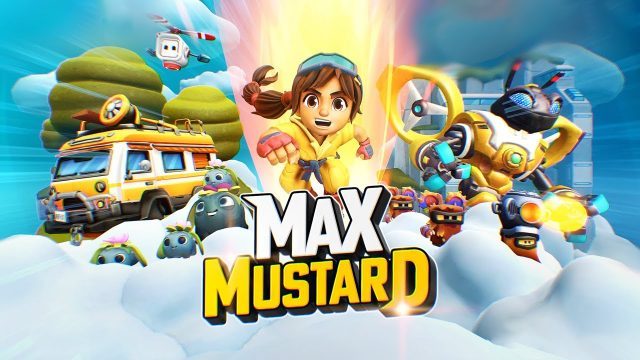
Max Mustard may be a bit of a curveball when it comes to names, but this traditional 3D platformer reimagined for VR delivers in nearly every other way, serving up some very Astro Bot Rescue Mission (2018) and Lucky’s Tale (2016) vibes in the process.

Max Mustard Details:

Available On: Quest 2/3/Pro (coming later to Steam & PSVR 2)
Reviewed On: Quest 3
Release Date: March 21st, 2024
Price: $30
Developer: Toast Interactive

Gameplay

Max Mustard isn’t reinventing the wheel here: it’s a solid, extremely well-built 3D platformer that, for all its positives, is a pretty standard experience overall if you’ve played any 3D platformer in the past 30 years, flatscreen or otherwise.

That’s probably the most negative thing I’ll say about this plucky little adventure, which tasks you with guiding the eponymous rocket-boot-clad companion through a world of fairly easy enemies, less easy environmental stuff, and four boss encounters that follow the strict orthodoxy of a ‘hurt it three times and it dies’ variety.
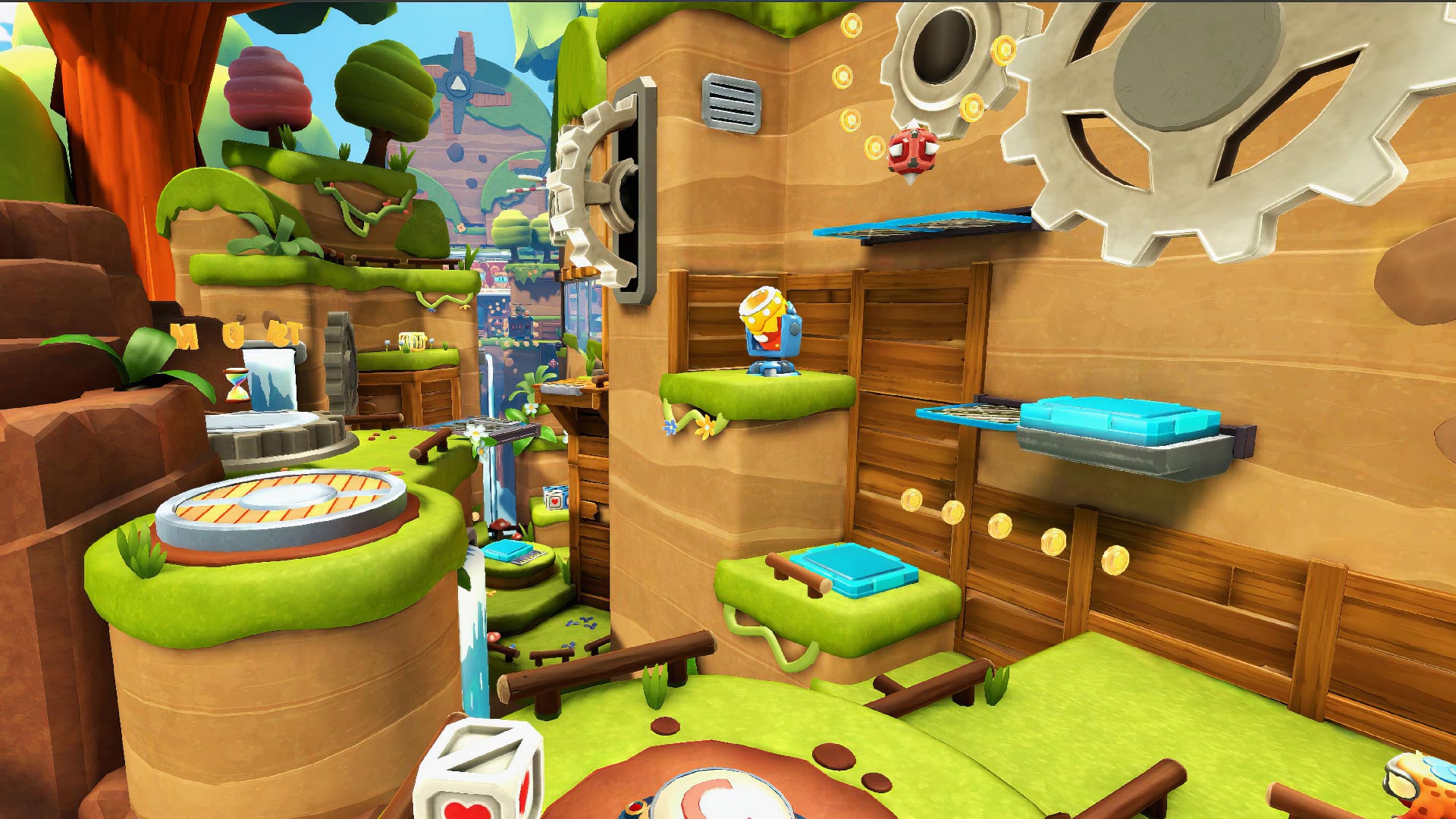
Image courtesy Toast Interactive

While the story is fairly forgettable—delivered almost entirely through letters that pop up at the end of levels—the action rarely disappoints, as you’re served up straight shots through 40 bespoke levels, many of which harken back to the Super Mario titles from the late ’80s and early ’90s.

That said, there isn’t a ton of enemy variety, as all baddies regardless of movement or attack style only take a single bonk on the head to kill, making enemies less interesting than the admittedly very cool environmental gadgets that you start encountering around the second (of four) worlds. Those fun and inventive moving platforms and increasingly difficult environmental traps are the real stars of the show here, it seems.

View post on imgur.com

And if you haven’t noticed from the clip above, Max Mustard is unabashedly a love letter to those platformers past and present, like Crash Bandicoot and Super Mario World, and the more recent Super Mario 3D Land, but also the headlining VR platformers of today too, including the illustrious Astro Bot Rescue Mission on PSVR and Lucky’s Tale on PC VR, PSVR and Quest. With the level of fit and finish, and first-person interaction (more on that below), you might even think of Max Mustard as the Astro Bot of the Quest platform.

And like those platformers from years past, Max Mustard also offers up the familiar overworld map that takes you linearly to the final boss battle, which (no spoilers!) satisfyingly puts together all of the skills you learned throughout the game.
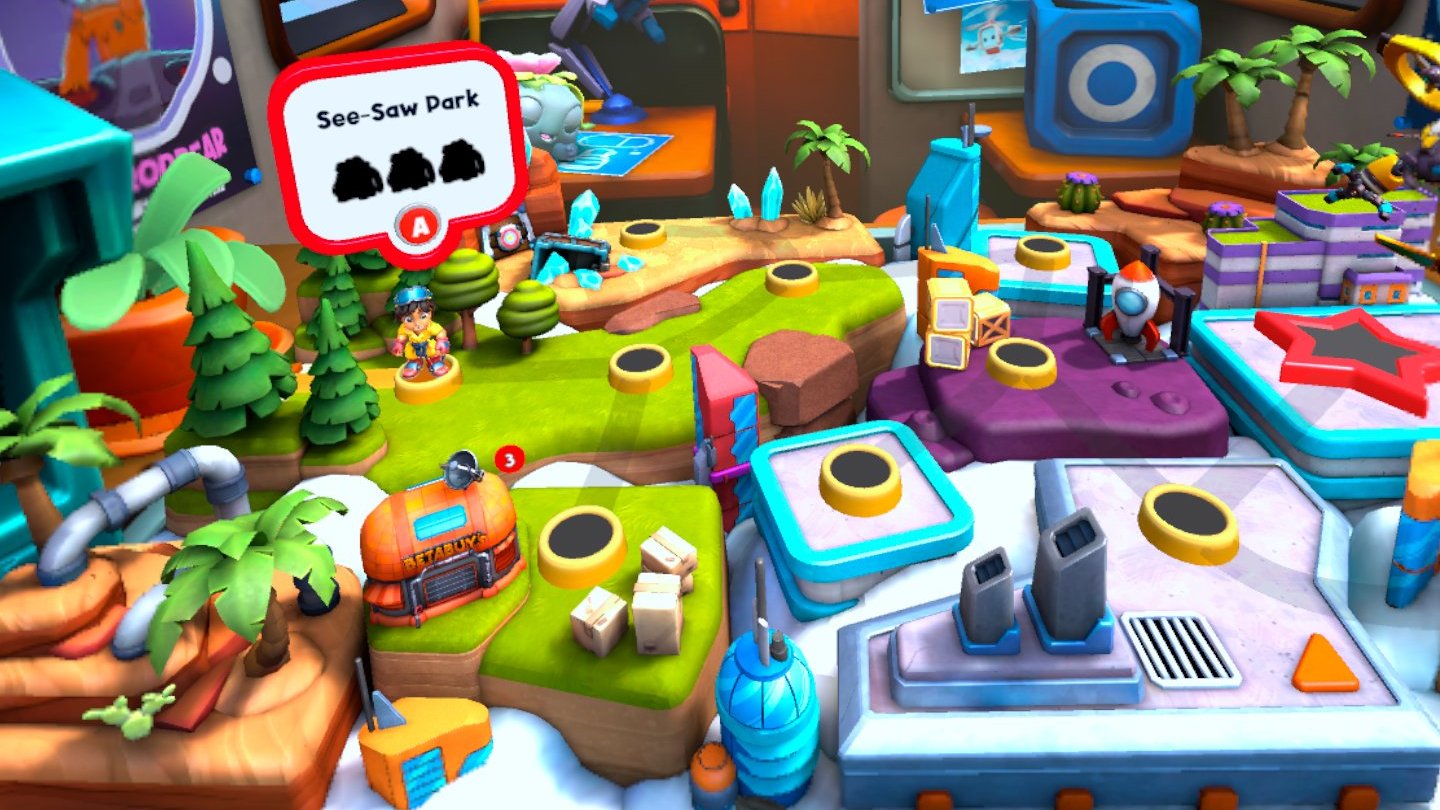
Overworld map | Image captured by Road to VR

Along the way you’ll find minigames and the occasional shop too where you can spend coins on abilities, such as extra hearts, coin bonuses, and new combat moves. You’ll want (but probably not really need) those new moves too, as levels start to ramp in difficulty around world three, which introduces some challenging environmental obstacles, like boxes that disappear and reappear to the beat of the game’s soundtrack, torrents of cannonballs, one-use jump pads, and more. Having an extra heart, a better attack move, or rocket boots that do damage to enemies is all a neat bonus to help out.

You wouldn’t be far off in calling Max Mustard the “spiritual successor” to Sony’s Astro Bot, because like Astro Bot every so often you’re given first-person gadgets, like a dart gun and a fan gun, which you use in certain levels, the dart gun making the biggest impact throughout the game. Here I am blasting at incoming rockets from the game’s tutorial boss:

View post on imgur.com

Still, I wish the first-person gadgets were a little better integrated into regular levels, and had more variation overall considering how cool they can be. You do however get the chance to hone your shooting skills in minigame challenges where you can earn coins to use in the shop, as well as get extra ‘mudpups’, which are normally littered throughout regular levels, acting as a sort of secondary currency which are used to unlock levels as you move forward.

As for enemies, regular baddies don’t really put up much of a challenge, however the game’s four main boss battles are significantly more interesting, each of them staying very loyal to the well-worn platforming tropes you’re probably used to. That said, it’s hard not to smile at just how well Max Mustard nails the whole aesthetic and feel of basically everything.

Max Mustard took me around five hours to complete, although I took it pretty slow due to wanting to collecting all three mudpups found in each level. You don’t need to be a completionist to get through the game with ease though, which could take you three to four hours overall.

Immersion

Max Mustard is stupid cute, and offers a lots of level variation in both functional design and overall feel. Here’s me using the fan gun to suck up enemies and errant coins after having splashed down into the water—the sort of totally unexpected one-off level transitions you’ll experience throughout.

View post on imgur.com

That said, first-person interactions are comparatively rare in Max Mustard, so you’ll be bopping around as Max most of the time instead of dealing with enemies like you see in the clip above. That puts an increased importance on the visual and functional aspects of levels, which are thankfully so rock solid that it’s easy to snap into your new ‘floating head’ POV and enjoying the game’s bright and colorful art style.

Again, I wish there were more first-person gadgets, although you have to give it to Max Mustard for including them at all, as the game seems to prioritize fast and fluid movement through levels instead of the heavier Astro Bot-y mix of first and third-person gameplay.

Comfort

The game’s camera necessary follows around Max, but does so in a way that’s gentle and comfortable. The decision by the studio to include snap turning as a purchasable upgrade back at the shop however feels a bit weird, as it’s pretty necessary to reposition yourself when turn around in levels to grab coins or mudpups you may have missed. Granted, this feature is unlocked with in-game coins, although it should be a standard movement scheme out of the box.

There are a few moments of forced motion in one-off events, although nothing that should set off alarm bells in motion sick-prone users, making Max Mustard pretty much perfect for anyone, including VR first-timers.

Max Mustard’ Comfort Settings – March 21st, 2024

Turning
Artificial turning
Snap-turn ✔
Quick-turn ✖
Smooth-turn ✖
Movement
Artificial movement
Teleport-move ✖
Dash-move ✖
Smooth-move ✔
Blinders ✖
Head-based ✖
Controller-based ✔
Swappable movement hand ✖
Posture
Standing mode ✔
Seated mode ✔
Artificial crouch ✖
Real crouch ✖
Accessibility
Subtitles ✖
Interface language
Languages English, French, German, Spanish, Japanese, Korean
Dialogue audio
Languages English
Adjustable difficulty ✖
Two hands required ✔
Real crouch required ✖
Hearing required ✖
Adjustable player height ✔

The post ‘Max Mustard’ Review – An ‘Astro Bot’ Style VR Platformer That Cuts the Mustard appeared first on Road to VR.


from Road to VR https://ift.tt/4KRo15c
via IFTTT

Upcoming VR Games 2024: New Releases On Quest, PC VR, PSVR 2 & More

https://ift.tt/icjzYaH

Searching for new VR games in 2024 and beyond? You're in the right place.

2023 was a pivotal year for VR gaming with both PSVR 2 and Quest 3 launching, and 2024 is building upon that. While Apple Vision Pro isn't heavily focused on gaming, we're continuing to see more heavy hitters across Quest, PC and PSVR 2. There are still plenty more upcoming VR games on the way.

Our aim is to create a wider list that we will keep regularly updated, so you can better plan ahead or remind yourself of upcoming VR games you had perhaps forgotten about. That doesn't mean we're stopping our more in-depth monthly round-ups – you can find more specific information about new VR games for March 2024 below.

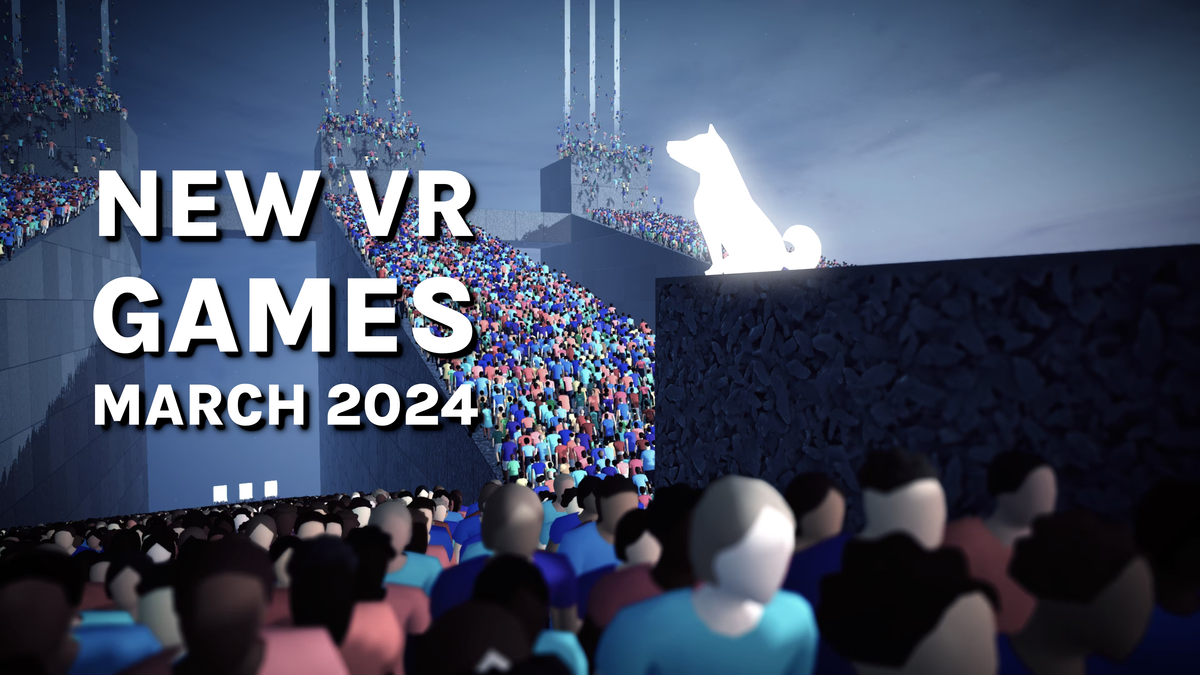
New VR Games March 2024: Quest, SteamVR, PSVR 2 & More
Searching for new VR games this March? Here are our monthly highlights coming to Quest, Steam and PSVR 2.

As Meta's dropped Quest 1 social support and new feature updates, expect most of the games listed for 'Quest' to only support Quest 2, Quest Pro and Quest 3 – Quest 1 support for new games is becoming rare. If a game is being optimized for a specific Quest headset, that will be noted. Within that ecosystem, we've begun seeing Quest games exclusive to Quest 3. You can find the Quest Store and mobile apps (iOS/Google Play) here.

Similarly, dual releases on Pico 4 and Neo 3 Link will just be listed as 'Pico' – those games are viewable through apps (iOS/Google Play) or the web store. PlayStation Store naturally covers PSVR or PSVR 2 games. Most PC VR titles are on Steam but some can also be found on Rift, Viveport, itch.io and EGS. We'll also note Apple Vision Pro and Vive XR Elite games where possible.

Keep this page bookmarked as we'll continue updating it regularly each month. For now, here's our list of upcoming VR games in 2024 and beyond to come.


March 2024

Upcoming VR Games - MADiSON VR
MADiSON VR

April 2024

Upcoming VR Games - C-Smash VRS
C-Smash VRS

May 2024

Upcoming VR Games - F1 24
F1 24

June 2024

Upcoming VR Games - Wanderer: The Fragments Of Fate
Wanderer: The Fragments Of Fate

Q2 2024

Upcoming VR Games - Arken Age
Arken Age

Summer 2024 Or Q3 2024

Upcoming VR Games - Brazen Blaze
Brazen Blaze

Late 2024 Or 2024 (TBC)

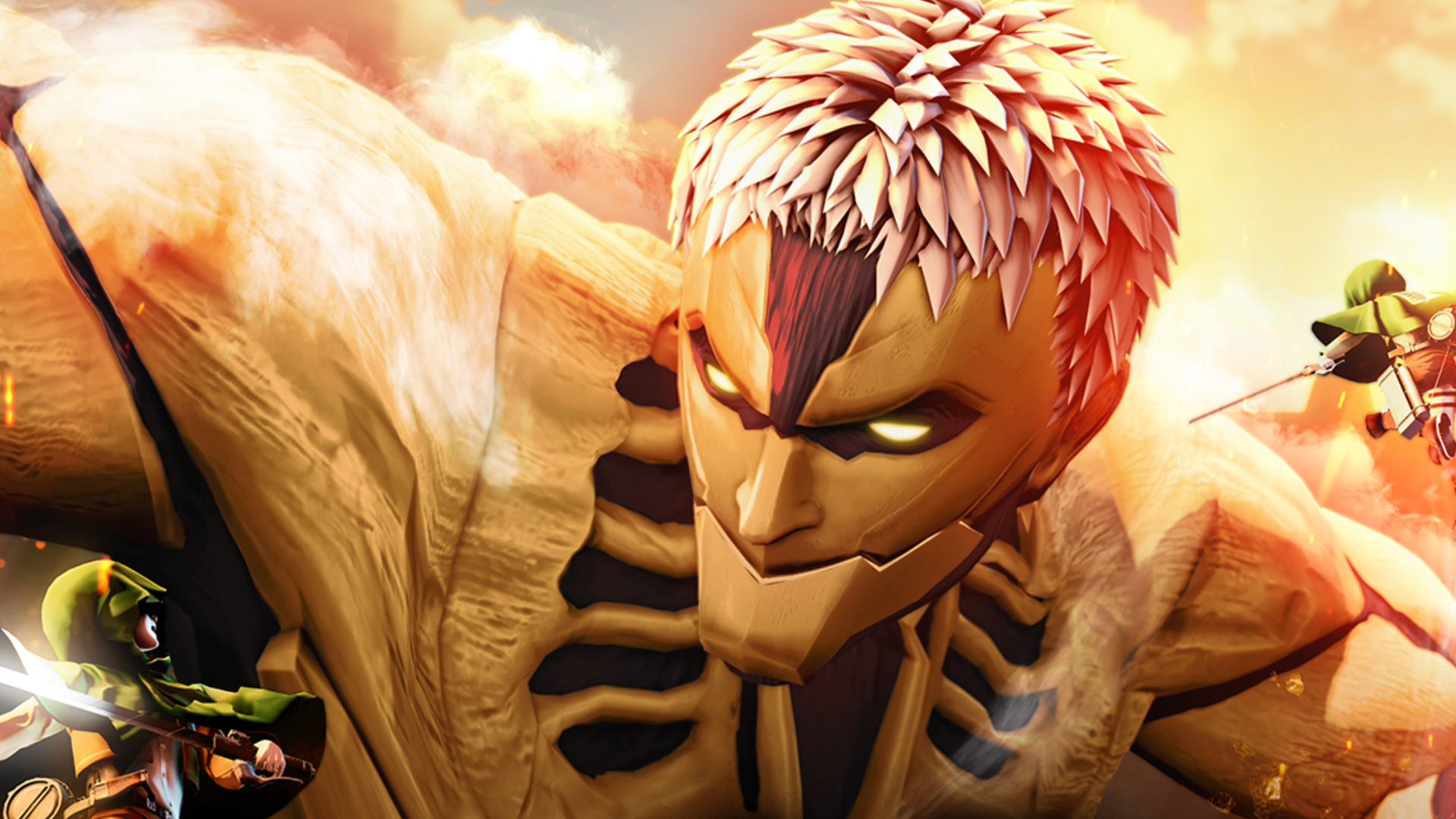
Upcoming VR Games - Attack on Titan Unbreakable
Attack on Titan Unbreakable

2025

Upcoming VR Games - Inter Solar 83
Inter Solar 83

TBC

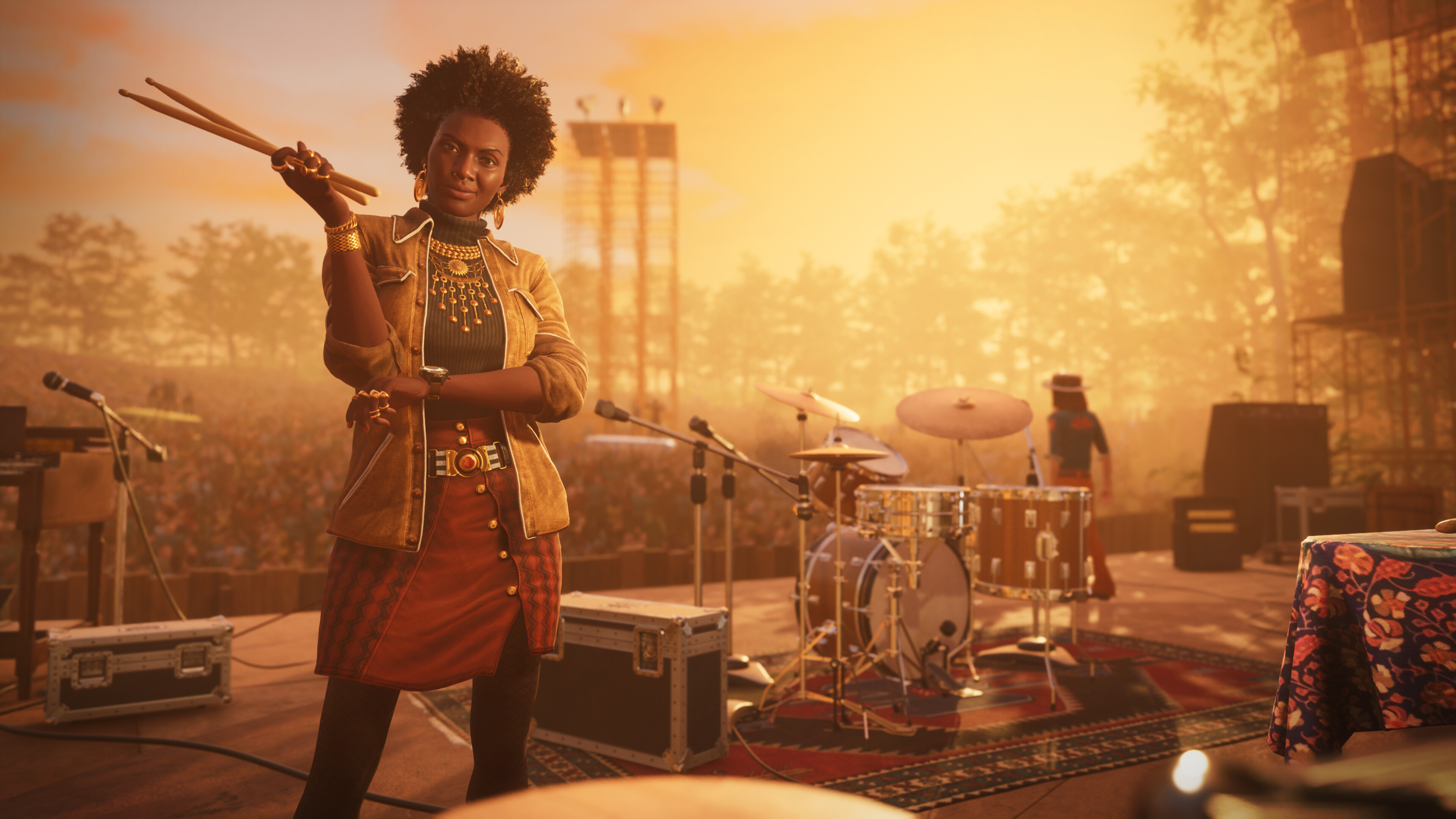
Upcoming VR Games - EA Sports WRC
EA Sports WRC

Notice: * denotes a game that either is currently available in early access on that platform, or a game that will have been released in early access by that time.

** denotes an early access launch.

*** denotes a game currently available but without VR support.

**** denotes a Quest game currently available on App Lab that's moving to the main Quest store.


from UploadVR https://ift.tt/kdaE8v2
via IFTTT

Sunday, 24 March 2024

Quest 3 Has Higher Retention Than Previous Headsets, Meta Confirms

https://ift.tt/Mnd8V7B

Meta confirmed that Quest 3 owners have higher retention than owners of its previous headsets.

Industry speculation and analysis often focuses on headset unit sales, but what really matters to both Meta and developers is how many buyers actually regularly use the headset instead of leaving it on a shelf or in a drawer. By March 2023 Meta had sold nearly 20 million Quest headsets, and in October 2022 6.37 million owners reportedly actually used their headset that month.

At GDC 2024 this week Chris Pruett, Meta's Director of Content Ecosystem, advised developers that Quest 3 owners return to continuously use apps at a higher rate.

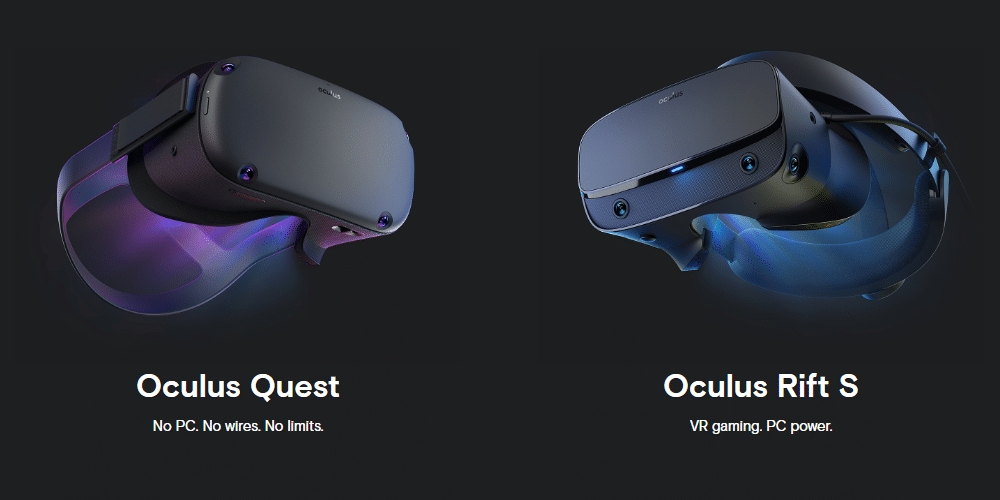
Back in 2019 John Carmack said that the original Oculus Quest, which had launched four months earlier, had higher retention than any previous headset, including the PC-based Rift and Rift S.

Carmack: Quest Is ‘By Far Our Most Retentive Hardware’, Rift S Surpasses Rift
Facebook’s new VR headsets are already seeing impressive retention, according to John Carmack. During his keynote speech at Oculus Connect 6 today, Carmack announced that Oculus Quest is “by far” Facebook’s most retentive hardware. The Oculus Rift S, however, has already surpassed the original Rift in terms of

There are a number of possible explanations for Quest 3's higher retention, and the answer may even be a combination of multiple.

It could be due to the higher quality of experience delivered by the pancake lenses and more powerful chipset. Apps and games load slightly faster, look sharper and clearer, and often run at higher refresh rate, meaning they feel smoother and have less chance of making the user feel sick.

It could also be due to the improved passthrough. Quest 3's passable quality color view of the world lets owners interact with and stay aware of their surroundings without taking the headset off, and makes using the browser and watching YouTube more widely appealing.

There could also be a degree of selection here. People who are more engaged with VR are more likely to upgrade to Quest 3, and people who are willing to spend $500 or $650 on a headset may be more likely to continue to use it than those who paid much less.

Regardless of the reasons, this news is evidence that the retention problem is not inherent to XR headsets, and improved hardware over time can solve it.


from UploadVR https://ift.tt/10lUg5m
via IFTTT

How to Tell if Your PC is Ready for Oculus Link & Air Link

https://ift.tt/bcfgwit

Oculus Link and Oculus Air Link (also called Quest Link and Quest Air Link) allows you to use your Quest headset to play PC VR games, opening up a world of high quality content that you simply won’t find on the Quest Store. Here’s a breakdown of the Oculus Link and Air Link recommended system requirements and hardware specs, and what you’ll need to use Quest, Quest 2, Quest 3, or Quest Pro to play Rift and SteamVR games on your PC.

Updated – March 24th, 2024

Looking to make your Quest 3 gaming experience even better? Don’t miss our top picks for the most essential Quest 3 accessories.

Recommended PC Specs for Oculus Link & Air Link

You’ll need a reasonably powerful PC to play Rift and Steam games on Quest via Oculus Link & Air Link, though many modern gaming PCs with NVIDIA or AMD graphics cards will fit the bill. Here’s the PC hardware you’ll need for Quest, Quest 2, Quest 3, and Quest Pro to work on PC.

Oculus Link & Air Link Compatible Graphics Cards

GPU Supported
Not Currently Supported
NVIDIA Titan Z ✖
NVIDIA Titan X ✔
NVIDIA GeForce GTX 970 ✔
NVIDIA GeForce GTX 1060 (desktop, 3GB) ✖
NVIDIA GeForce GTX 1060 (desktop, 6GB) ✔
NVIDIA GeForce GTX 1060M ✖
NVIDIA GeForce GTX 1070 (all) ✔
NVIDIA GeForce GTX 1080 (all) ✔
NVIDIA GeForce GTX 1650 ✖
NVIDIA GeForce GTX 1650 Super ✔
NVIDIA GeForce GTX 1660 ✔
NVIDIA GeForce GTX 1660 Ti ✔
NVIDIA GeForce RTX 20/30*/40-series (all) ✔
AMD 200 Series ✖
AMD 300 Series ✖
AMD 400 Series ✔
AMD 500 Series ✔
AMD 5000 Series ✔
AMD 6000 Series* ✔
AMD Vega Series ✔

*NVIDIA 3050 (laptop) and 3050ti GPUs are not recommended for use with Link
*Radeon RX 6500 is not recommended for use with Link

Oculus Link & Air Link CPU, RAM, USB, and Operating System Recommended System Requirements

Recommended Specs
Processor
Intel i7 / AMD Ryzen 7 or greater
Memory 16GB+ RAM
Operating System Windows 10+
USB Ports 1x USB-C port (unless using Air Link)

Oculus Link vs. Air Link

What’s the difference between Oculus Link and Oculus Air Link? Oculus Link uses a cable to connect your headset directly to your PC. This will generally result in the best visual performance, and in most cases it will let your headset’s battery last significantly longer than if you use Air Link.

Oculus Air Link is the same feature as Oculus Link, except wireless. If you have an ideal network configuration, Air Link can be a great way to easily play PC games wirelessly with Quest. Without an ideal network configuration, you might have issues with Air Link (like lag or low quality visuals).

Tethered: Oculus Link Cable

Oculus Link technically works with any USB cable, including the one that comes in the box with Quest, but without a fairly long cable you won’t have much room to move around. If you’re only planning to play seated games like racing or flying sims, you can probably get by with the included cable, but you’ll probably want to buy a dedicated cable that’s long enough that you can really spread your virtual wings.

An inexpensive option is to combine this Anker 10ft USB 3.0 cable with this CableCreation 16ft USB 3.0 extender for a total of 26 feet for around $39 from Amazon.

Alternatively, Oculus sells a lighter (but much more expensive) 16ft USB 3.0 Oculus Link cable for $80, also available on Amazon.

Whether you pick a third-party USB 3.0 cable or Oculus’ own cable, both will give you the same visual experience when used with Oculus Link.

Wireless: Oculus Air Link Network Recommendations

You’ll need a properly configured network for Oculus Air Link to deliver a good wireless PC VR experience. Here’s what to do to ensure the best performance:

  • PC connected to router/access-point via Ethernet cable
  • Router supporting Wi-Fi 5 (also called 802.11AC) or Wi-Fi 6 / Wi-Fi 6E (also called 802.11AX)
  • Headset connected to 5GHz Wi-Fi band
  • Router in the same room as the headset or in line-of-sight, and at least 1m off the ground
  • Don’t use a mesh network configuration (extenders, etc)

Get the Most Out of Quest

The Best Quest 3 Accessories: Quest 3 is a great headset but there's a few areas where accessoires can really improve the experience, especially the headstrap!

The Very Best Quest Games: The Quest library can be daunting, here's our quick guide to the best games.

Essential Quest Tips, Tricks, and Settings: If you're just diving into VR as a new Quest owner, you should absolutely check out our Quest Tips & Tricks Guide for a heap of useful tricks and settings everyone should know about.

Fitness and Fun on Quest: For fitness in VR that's as fun as it is physical, check out our suggestion for a VR Workout Routine.

Relaxing in VR: Are you less of a competitive gamer and more interested in how you can use VR to chill out? We have a great list of VR Games for Relaxation and Meditation.

Flex Your Creativity in VR: And last but not least, if you're a creative type looking to express yourself in VR, our list of Tools for Painting, Modeling, Designing & Animating in VR offers a huge range of artful activities, with something for everyone from fiddlers to professionals.

The post How to Tell if Your PC is Ready for Oculus Link & Air Link appeared first on Road to VR.


from Road to VR https://ift.tt/CLB5fd3
via IFTTT
Related Posts Plugin for WordPress, Blogger...