Friday, 6 January 2023

Magic Leap 2 Gains Certification so Doctors Can Use AR During Surgery

https://ift.tt/UF74L0c

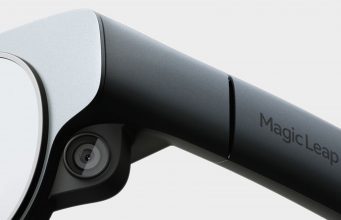
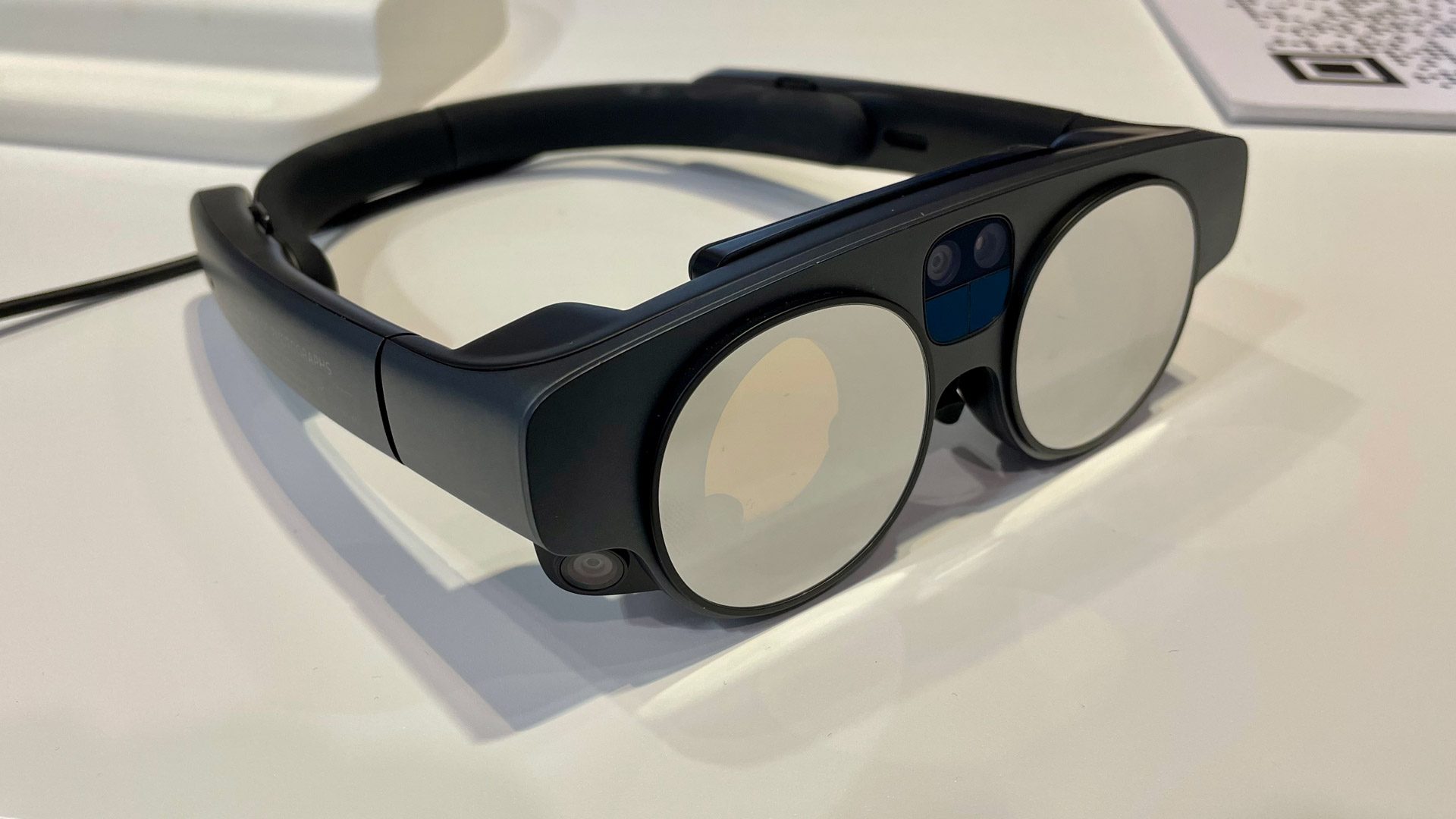
Magic Leap, the storied unicorn developing enterprise AR headsets, announced at CES 2023 that its flagship device Magic Leap 2 earned a certification that clears it for use in the operating room.

The company first intimated it had pursued IEC 60601-1 certification at SPIE’s XR conference in January 2022, however the news largely went unreported since the information was presented in a single slide at the conference.

At AMD’s CES 2023 keynote, Magic Leap CEO Peggy Johnson confirmed Magic Leap 2 has indeed obtained IEC 60601-1 certification for its flagship AR headset.

As explained by TÜV Rheinland, the IEC 60601-1 certification specifies a device that is “intended to diagnose, treat, or monitor a patient under medical supervision and, which makes physical or electrical contact with the patient and/or transfers energy to or from the patient and/or detects such an energy transfer to or from the patient.”

Magic Leap says this certification allows Magic Leap 2 to be used both in an operating room as well as in other clinical settings, allowing medical professionals such as surgeons to focus on the patient and not have to refer to 2D screens.

By and large, this gives software developers a non-inconsequential inroad into gaining FDA certification for apps that could be used during surgery, and not just for pre-surgical training.

One such Magic Leap partner, SentiAR, is currently under review by the FDA for its app which connects physicians to live clinical data and images, allowing them do operations such as navigating a catheter through blood vessels of the heart using a 3D map of a patient’s heart and the location of the catheter in real time.

Founded in 2010, the Plantation, Florida-based company initially exited the gate with consumer ambitions for its first AR headset, Magic Leap 1 (previously styled ‘One’). After awkwardly straddling the segment with its $2,300 AR headset, the company made a decisive pivot in mid-2020 when CEO and co-founder Rony Abovitz announced he would be stepping down as CEO, positioning the company to reprioritize its future devices away from consumers. It has since released Magic Leap 2, which is largely targeted at enterprise.

The well-funded company, which has amassed $4 billion in lifetime funds to date, has recently taken on $450 million from Saudi Arabia’s sovereign wealth fund, giving the country a majority share in the US-based augmented reality company.


from Road to VR https://ift.tt/rW62CkJ
via IFTTT

Thursday, 5 January 2023

Virtual Event Platform ‘Wave’ Returns to VR with Pico Partnership, Calvin Harris Concert to Debut Jan 13th

https://ift.tt/YMiSVyN

Wave, the virtual event production company known for putting on a ton of VR concerts a few years back, actually deprecated VR support for its app back in early 2021 to focus on streaming its brand of digital concerts to traditional platforms. Now, through a new partnership with VR headset creator Pico, Wave is set to jump back into VR with more concerts, available exclusively on Pico devices.

Through the partnership, Wave says it’s developing “a series of immersive 3D concert experiences with massively world-renowned artists” for Pico’s line of consumer headsets. Those include Pico Neo 3 and the new Pico 4 headset.

Its debut concert is set to feature The Calvin Harris Experience, taking place on January 13th at 8:00PM GMT (local time here). The experience is said to last approximately 1 hour, which includes a five-minute preshow and 25 min exclusive extended set.

Only fans in Europe and Asia will have access, the company says, the only markets where Pico’s consumer headsets are currently available. The VR-accessible concert is said to be an “extended version,” of which only a portion will be broadcasted on TikTok LIVE.

The concert is slated to take fans on what Wave calls “a musical journey through Calvin’s virtual universe, a metaverse party filled with audio reactive visuals in a nature inspired luminous world.”

Calvin Harris is set to perform live as a virtual avatar in an immersive environment that Pico users can join and explore for themselves. Users will also have the opportunity to influence the live experience by “interacting with others, creating dazzling effects throughout the show by clapping, writing personalized messages in the air, and even join Calvin on stage.”

To take part in the concert, users must download the Pico Video app from the Pico App Store, then select The Calvin Harris Experience in your Pico Video feed on the day of the show.

You can RSVP to Wave’s premier Calvin Harris concert here. Rebroadcasts for Pico users will re-air daily on weekends starting Jan 14-26 at 8pm GMT.


from Road to VR https://ift.tt/4zAKLRx
via IFTTT

Wednesday, 4 January 2023

CES 2023: Wireless XTAL 3 Aims For Q3 2023 Release

https://ift.tt/GlkaFWK

Super wide field of view headset XTAL 3 is getting a wireless option.

We last got a look at XTAL 3’s “distortion-free” wide field of view VR system from Vrgineers at CES last year. This year, the company is announcing some updates including a wireless option developed working with the company’s partner IMRNext.

While the headset offers native 4K resolution per eye, according to Vrgineers, the wireless mode compresses the resolution to 2560×1440 at 70 Hz per eye and transmits it wirelessly via a belt-worn module to IMRNext’s Wi-Fi 6E access point connected to a capable computer. The aim is for the wireless option to support “more dynamic use case scenarios and enhance the quality of single-user and multi-user simulation and training exercises,” according to Phil Purdy, IMRNext director of Engineering and Delivery, in a prepared statement.

XTAL 3 promotional image

Vrgineers says its latest XTAL headset weighs 920 grams. There’s no added weight to the head with the belt-worn wireless component, and representatives claim they can shave several hundred grams off the headset’s weight in future versions.

XTAL headsets are typically geared toward enterprise or extremely high cost flight simulators and pre-orders can be placed through Vrgineers directly.

The wireless XTAL headset is expected to launch in Q3 2023. Vrgineers is also working with blockchain company Somnium Space on another VR headset with open source designs and some components that can be 3D printed.

We’ll plan to have a look at Vrgineers’ latest at CES in Las Vegas this week.


from UploadVR https://ift.tt/eMX0PCr
via IFTTT

Report: Apple’s MR Headset Said to Include 120-Degree FOV, Waist-mounted Battery & Tons of Biometric Trackers

https://ift.tt/DCU6EP0

Apple’s long-awaited mixed reality headset is still deep under wraps, although a recent report from The Information has shed what appears to be new light on some of the features coming to the fruit company’s first AR/VR headset.

There’s a lot of new information here, and of course, we can’t substantiate it even if we tried. We’ve restructured the main takeaways, courtesy of MacRumorsinto a sort of fantasy spec sheet:

Reported Apple MR Specs

  • Resolution: Dual Micro OLED displays at 4K resolution (per eye)
  • FOV: 120-degrees, similar to Valve Index
  • Chipset: Two 5nm chips. Includes a main SoC (CPU, GPU, and memory) and a dedicated image signal processor (ISP). Chips communicate via a custom streaming codec to combat latency.
  • Battery: Waist-mounted battery, connected via MagSafe-like power cable to the headset’s headband. Two-hour max battery life, although hotswappable for longer sessions.
  • PassthroughISP chip contains custom high-bandwidth memory made by SK Hynix, providing low latency color passthrough
  • Audio: H2 chip, providing ultra-low latency connection with the second-generation AirPods Pro and future AirPods models. No 3.5mm and possible no support for non-AirPod BT headphones.
  • Controller: Apple is said to favor hand-tracking and voice recognition to control the headset, but it has tested a “wand” and a “finger thimble” as alternative control input methods.
  • Prescription Lenses: Magnetically attachable custom prescription lenses for glasses-wearers.
  • IPD Adjustment: Automatic, motorized adjustment to match the wearer’s interpupillary distance.
  • Eye Tracking: At least one camera per-eye for things like avatar presence and foveated rendering
  • Face & Body Tracking: More than a dozen cameras and sensors capture both facial expressions and body movements, including the user’s legs.
  • Room Tracking: Both short- and long-range LiDAR scanners to map surfaces and distances in three dimensions.
  • App Compatibility: Said to have the ability to run existing iOS apps in 2D.

Then there are some design rumors, which don’t fit so well into our fantasy spec sheet. The Information says it has reconfirmed these previously reported rumors.

Design Rumors

  • Outer Shell: Aluminum, glass, and carbon fiber to reduce its size and weight. Cameras are largely concealed for aesthetic reasons.
  • Presence Displays: Outward-facing display can show user’s facial expressions and also presumably eye movements. Said to be an always-on display similar in latency and power draw of Apple Watch or iPhone 14 Pro.
  • Dedicated Passthrough Switch: Digital Crown-like dial on its right side to switch between VR and passthrough.
  • Headstrap: Various available, including consumer-focused headstrap similar in material to Apple Watch sport bands with built-in speakers. Unspecified, but different headstrap targeted at developers.

Apple supplier Pegatron is said to have already assembled “thousands of prototype units of the headset” over the course of 2022 at its Shanghai-based facility.

According to four people with knowledge of the matter, The Information reports that Apple could price its MR headset around $3,000 or more depending on its configuration.

The report maintains the headset was initially supposed to launch in 2022, although by now it’s clear it’s obviously been delayed. A previous Bloomberg report alleged this was due to “overheating, cameras and software” having been stumbling blocks along the way to launch.


from Road to VR https://ift.tt/mGKkYBS
via IFTTT

Tuesday, 3 January 2023

The Dark Pictures: Switchback VR Features Frightening Eye-Tracking Support

https://ift.tt/kYGD1gP

Supermassive Games outlined how The Dark Pictures: Switchback VR makes terrifying use of PSVR 2’s eye-tracking support.

One of many PSVR 2 games arriving at launch, The Dark Pictures: Switchback VR is a rollercoaster horror shooter similar to the 2016 PSVR exclusive Until Dawn: Rush Of Blood, you’ll try and survive this nightmarish ride by dodging obstacles and shooting fiends. Speaking in EDGE Magazine issue #380, game director Alejandro Arqué Gallardo begins by detailing how it uses PSVR 2’s haptic feedback and adaptive triggers.

“With the haptic feedback, you feel the motion of the rollercoaster on the rails. You feel the wind and the rain on your hands. Then we used the adaptive triggers to create the feeling of guns being very different, with different levels of resistance,” explains Gallardo.

However, it’s Switchback VR’s use of eye-tracking which sounds particularly terrifying. Reminiscent of Doctor Who’s Weeping Angels, one room features a set of mannequins that only move when you blink.

A door painted with the instruction ‘don’t blink’ opens up into a room of blood-smeared mannequins in harlequin masks, their bodies twisted into unnatural poses. Eventually we can’t help it anymore, and let our eyelids flutter closed. When they open again, the mannequins have been rearranged – or have rearranged themselves. Another blink, and it happens again, except that one of them has now come to life. As we repeat this process, we learn to use our eyes tactically, only blinking once our guns are readied.

It’s an intriguing use of the tech which holds significant potential for future VR horror games, and Gallardo advises developers aren’t obliged to utilize PSVR 2’s unique hardware features. The Dark Pictures: Switchback VR arrives on PSVR 2 on February 22 for $39.99.


from UploadVR https://ift.tt/5ruY6Sj
via IFTTT

Saudi Arabia Gains Majority Stake in Magic Leap in $450M Deal

https://ift.tt/6g4YJwH

Saudi Arabia has taken majority share of the US-based augmented reality company Magic Leap, The Telegraph reports, widening the stake via its state-owned sovereign wealth fund with a deal amounting to $450 million.

Citing delayed accounts obtained from its European division, the company is said to have raised $150 million in preferred convertible stock and $300 million in debt from Saudi Arabia’s Public Investment Fund (PIF) over the course of 2022. The investment puts the country’s ownership of Magic Leap over 50 percent, giving it overall majority control.

The Telegraph reports that, as of November 2022, Saudi Arabia’s PIF is “entitled to appoint four of the eight directors of the board of directors of Magic Leap.”

The wealth fund, which is controlled by Crown Prince Mohammed bin Salman, invests in projects considered to be strategically significant to diversifying its national economy.

Through PIF, Saudi Arabia owns minority stakes in Uber, Capcom, Nexon, Live Nation, Boeing, Meta, Alphabet, Citigroup, Disney, and Bank of America to name a few. It also owns Premier League football team Newcastle United and LIV Golf, a challenger to the PGA Tour.

Photo by Road to VR

Founded in 2010 by Rony Abovitz, the Plantation, Florida-based company kicked off its consumer ambitions with a long and ambitious tease of its first AR headset, Magic Leap 1 (previously styled ‘One’), starting its marketing campaign as it emerged from stealth in 2014.

Released nearly four years later, the developer-focused ‘Creator Edition’ headset was initially priced at an eye-watering $2,300, which not only deflated some of the potent hype behind the unicorn startup, but also cemented a long and bumpy road ahead if Magic Leap wanted to eventually offer its tech at a consumer price point.

Having awkwardly straddled the prosumer segment with limited success, in mid-2020 Abovitz announced he would be stepping down as CEO, signaling a pivot that would refocus the company’s efforts on servicing enterprise instead of consumers. Shortly afterward, Microsoft’s Executive VP of Business Development Peggy Johnson took the reins as CEO of Magic Leap.

The company has since released its follow-up headset, Magic Leap 2, to enterprise partners and through third-party vendors, putting the device in direct competition with Microsoft’s HoloLens 2.

To date, Magic Leap has raised $4 billion, with minority investors including Google, Alibaba, Qualcomm, AT&T, and Axel Springer.


from Road to VR https://ift.tt/aNydKqw
via IFTTT

Monday, 2 January 2023

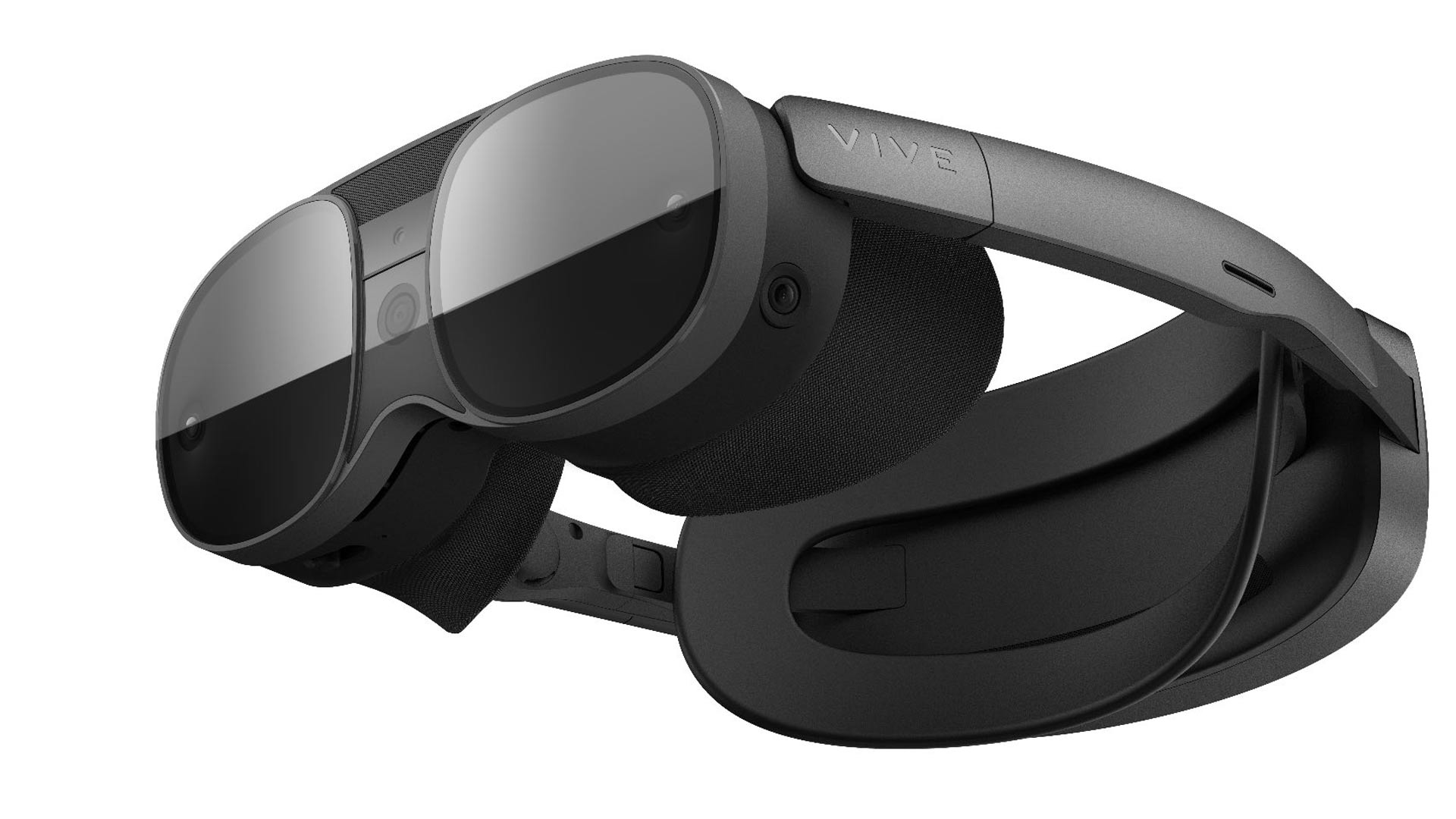
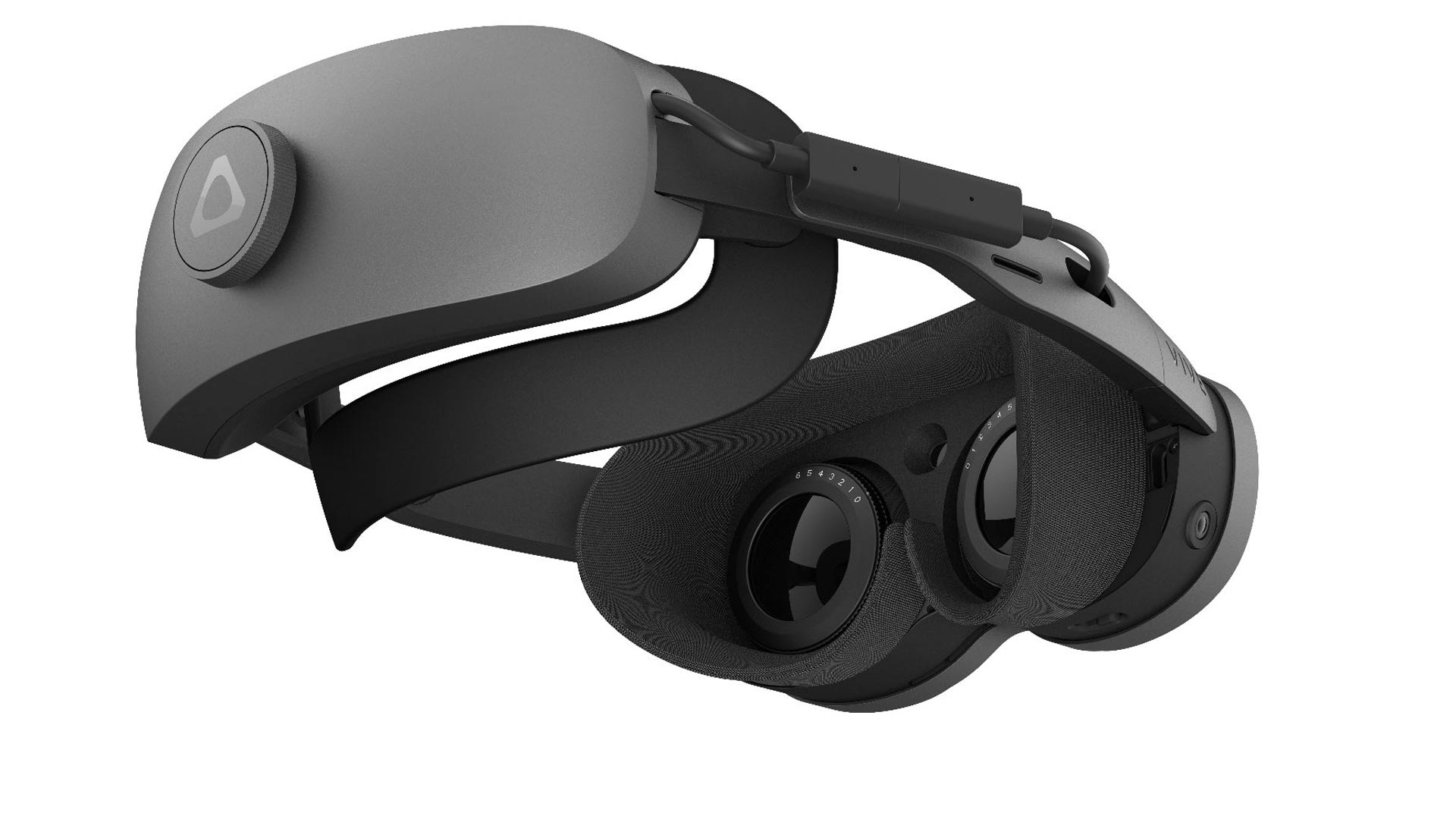
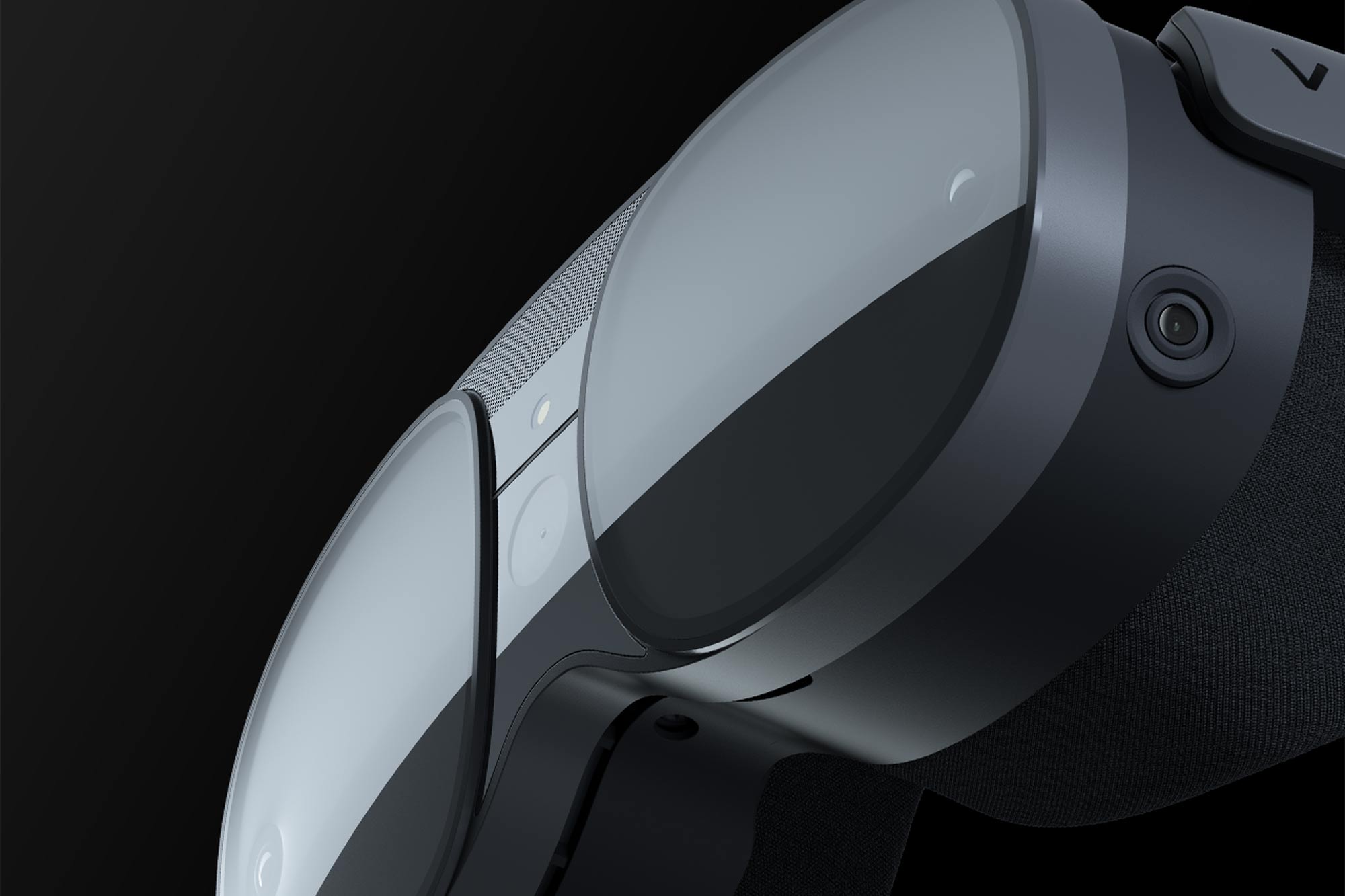
HTC’s Next Consumer Headset Reportedly Called ‘Vive XR Elite’, Listed at $1,400

https://ift.tt/y5xsuzp

HTC’s upcoming standalone VR headset, which is said to compete with Meta for consumer dollars, may have just suffered a fairly important leak ahead of its promised CES 2023 unveiling this week. HTC seems to have tipped its hand by inadvertently releasing the name and pricing of the headset through its Korean storefront.

Update (January 2nd, 2023): Twitter user Inscothen has managed to find a short-lived listing on HTC’s Korean storefront that lists Vive XR Elite as its upcoming standalone headset, the very same set to be unveiled at CES this week.

The headset is listed for ₩1,790,000 (~$1,400). It’s impossible to say at this point whether that will be close to the official US pricing, although other headsets listed in Korean won are fairly similar to that in USD. A webcache of the page can be viewed here.

That would put Vive XR Elite in competition with Meta’s $1,500 Quest Pro, at least in terms of pricing strategy. It remains to be seen what sort of specs the headset is delivering though, and whether it offers a similar enough experience to Quest Pro to truly call it a competitor. Check back soon for all of the official information, which will arrive at some point during CES 2023 this week, January 5-8.

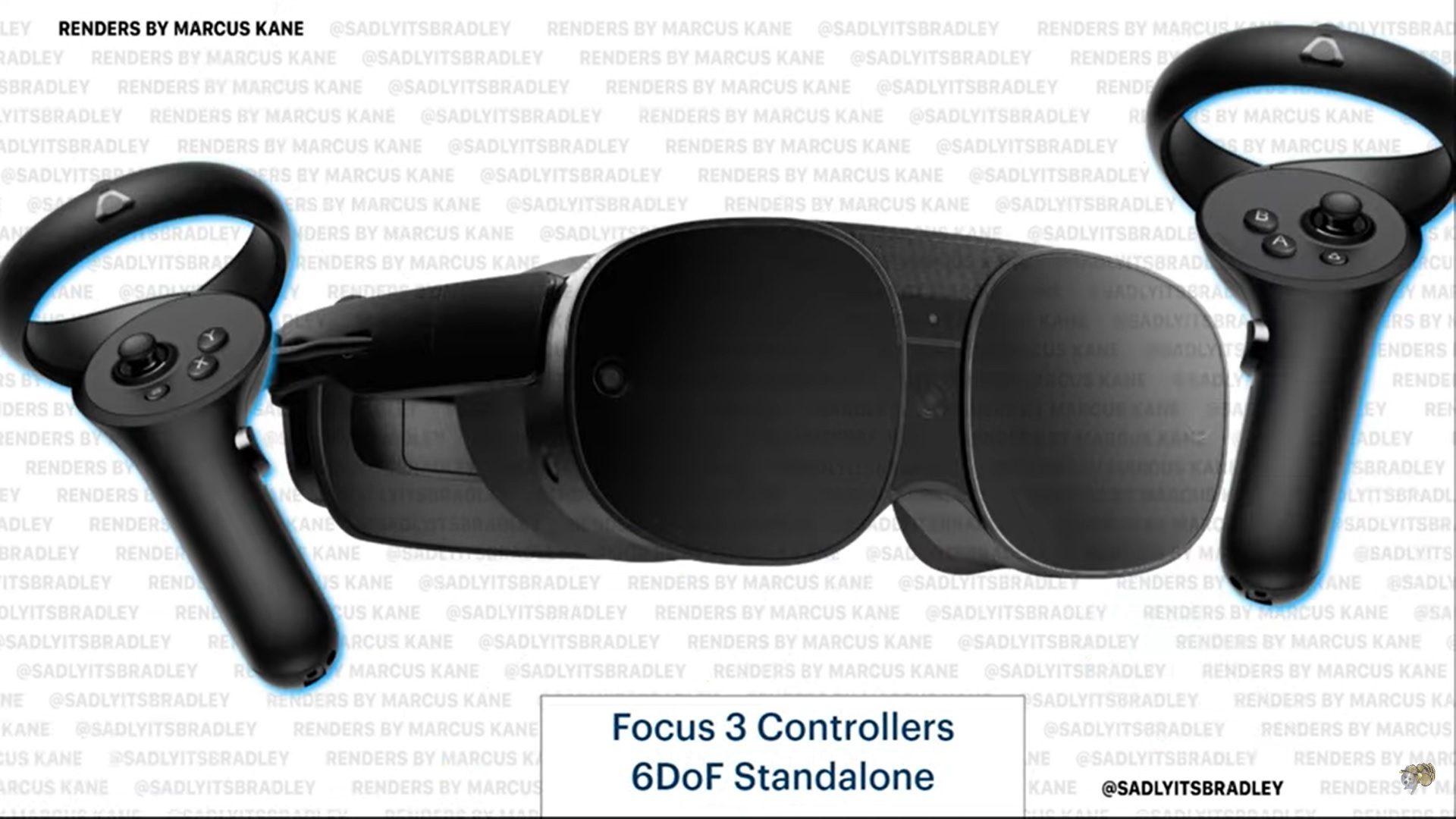
Brad Lynch (SadleyItsBradley) also posted photos of the alleged Vive XR Elite, which we’ve included below this update.

Original Article (December 16th, 2022): As reported in an exclusive by The Verge, HTC is getting ready to stretch outside the enterprise and business sector once again and offer what HTC global head of product Shen Ye calls a “small, light all-in-one headset that promises full-featured virtual and augmented reality.”

Ye calls it an effort to create something “meaningful and that’s appealing for consumers,” further stating that it’s the culmination of lessons learned from making HTC Vive Flow and the Vive Focus 3.

It’s also likely to be more expensive than the $400 Quest 2, which will be a sticking point if it truly wants to be a consumer-first device, and not a prosumer headset like Quest Pro:

“We’re in an era when consumer VR headsets have been massively subsidized by companies that are trying to vacuum up and take personal data to provide to advertisers,” Ye tells The Verge. “We don’t believe the way that we want to approach it is to compromise on privacy.”

Image courtesy HTC via The Verge

Ye also revealed a few specs ahead of the official info dump:

The unnamed standalone headset is said to offer color passthrough MR, making it more similar to Quest Pro as opposed to a see-through AR such as HoloLens. The upcoming headset is said to contain a depth sensor, which would in theory offer more accurate room mapping. It’s also said to feature better dynamic range, making it capable of better passthrough for things like reading text on a monitor or smartphone. The headset also packs two hours of battery life, and supports 6DOF VR controllers along with optical hand tracking.

It’s said to be “one of the lightest that’s on the market,” although there are still a few mysteries to unveil. It’s uncertain whether it will include eye-tracking, although HTC has a track record of releasing eye-tracking modules which it may pursue here as well. Privacy protections is also a concern that HTC hopes to address regarding its externally facing cameras, although they haven’t said anything definite yet.

HTC’s unnamed headset reportedly suffered a leak of its design and some key specs back in November, which showed off the outer shell and alleged dual 1,920×1,920 LCDs clocked up to 120hz, mechanical IPD adjustments, pancake lenses, headstrap adjustment mechanism and back-mounted battery.

Allegedly Leaked Design of HTC’s MR Standalone | Image courtesy Brad Lynch

At the time, VR analyst and YouTuber Brad Lynch alleged the leak also included some vague info on its chipset being “faster than the [Snapdragon XR2] in Quest 2,” as it’s speculated to possibly be the upcoming Snapdragon XR2 Gen 2.

None of the information from the leak has been confirmed however, so we’ll just have to wait and see at CES 2023, which takes place January 5-8 in Las Vegas, Nevada.


from Road to VR https://ift.tt/iLuWOs6
via IFTTT
Related Posts Plugin for WordPress, Blogger...