Wednesday, 1 April 2026

‘Moss’ Developer Polyarc Lays Off Two-Thirds of Studio Following “major project” Cancellation

https://ift.tt/PWlcIQa

Polyarc, the studio behind VR puzzle-platformer series Moss, announced it’s significantly reducing the size of the company, marking another VR pioneer currently experiencing existential turmoil.

The studio released word via a LinkedIn post on Tuesday, noting that layoffs come amid an “unsuccessful team-wide effort to secure funding following the cancellation of a major project.”

Speaking to GamesIndustry.biz, Polyarc says layoffs are affecting 30 employees. According to DevOps Director Alex Holodak (via UploadVR), the studio let go two-thirds of staff, putting the remaining team somewhere around 15 people.

Polyarc isn’t alone in its recent financial troubles. Rec Room, one of VR’s most prominent social platforms, announced this week it’s officially shutting down in June. Meanwhile, VR veteran nDreams, the studio behind recent action-adventure game Reach (2025), signaled earlier this month that it’s going through significant layoffs and studio closures.

Notably, Meta’s recent shift in priorities at its Reality Labs XR division not only came alongside the closure of a number of several internal game studios, but also the revelation it was pulling funding from a number of projects already in progress.

Some of those now-cancelled projects include an unannounced Batman: Arkham Shadow sequel from Sanzaru Games, an unannounced Harry Potter VR game for Quest from Skydance Games, as well as a hard fork applied to all new Horizon Worlds content, effectively leaving only legacy Worlds for Quest users as the company shifts focus to mobile users.

Polyarc hasn’t confirmed whether its now-cancelled project was a result of Meta pulling funding.

Founded in 2015 by ex-Bungie develo[ers, the Seattle-based studio self-published the first Moss in 2018, receiving not only near-universal praise, but also more than 120 global industry awards and nominations. Moss was released across all major VR platforms at the time, including PSVR, PC VR headsets, and the original 2019-era Quest.

Then, in 2022 Polyarc released the hotly-awaited sequel, Moss: Book II. which managed to nab the The Game Awards’ Best VR/AR Game and the VR Awards’ VR Game of the Year. Moss: Book II is widely regarded as a stellar follow-up, getting a solid [8.5/10] in our full review.

In 2025, the studio followed up with its multiplayer real-time battler Glassbreakers: Champions of Moss, which offered up a roster of 12 Champions for squad-based arena battles.

The post ‘Moss’ Developer Polyarc Lays Off Two-Thirds of Studio Following “major project” Cancellation appeared first on Road to VR.


from Road to VR https://ift.tt/Ma69C4f
via IFTTT

Meta Inches Into Health Wearables with New Food Logging Feature for Ray-Ban Smart Glasses

https://ift.tt/SVTpUWe

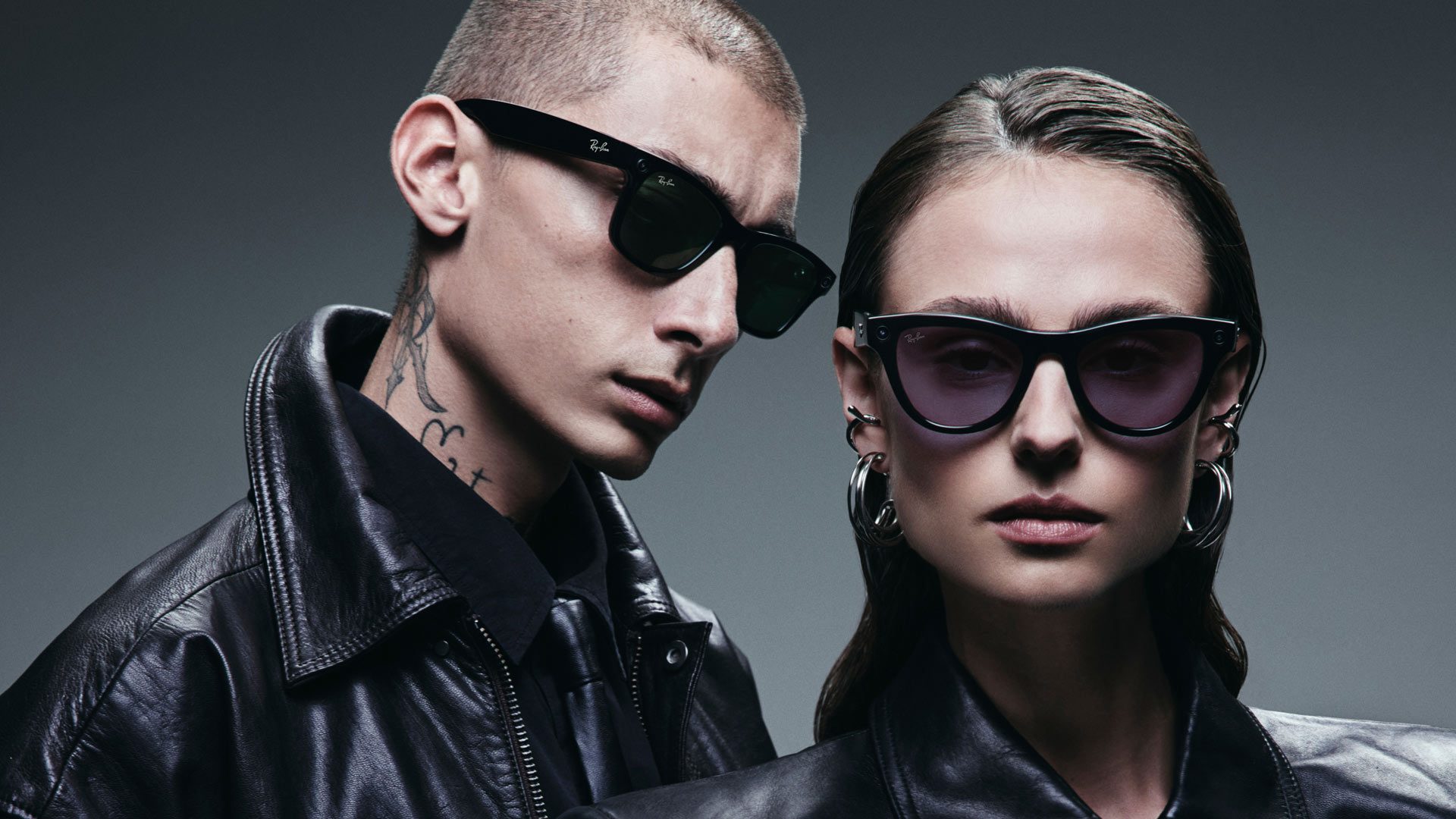
Meta announced it’s pushing an update to Ray-Ban and Oakley Meta smart glasses that’s slated to make nutrition tracking easier by letting Meta AI visually suss out food before you eat it.

The News

Over time, the company says that a user’s food log will inform “increasingly personalized insights that get more useful, helping you make healthier, more informed choices.”

Meta says it will be somewhat of a manual process though, as users need to prompt Meta AI to log their food in addition to inputting specific nutrition goals.

Ray-Ban Meta (Gen 2) | Image courtesy Meta

While we’re not there yet, Meta says in the future glasses will be able to understand what you’re eating and automatically log your food, which in turn opens up even more personalized nutrition insights since you don’t have to remember to log every meal.

For now though, the company envisions users asking Meta AI questions like “What should I eat to increase my energy?” which will output a suggestion based on your food log and fitness goals.

Meta says the new feature will be available to users aged 18+in the US “soon” across all Ray-Ban Meta and Oakley Meta smart glasses, with its Meta Ray-Ban Display glasses getting the update sometime later this summer.

My Take

Meta doesn’t do health tracking; its smart glasses don’t track your heart rate, steps, activity, sleep (of course not), calories burned, O² levels—nothing.

Granted, they can link with Garmin smart watches which can do those things, although the glasses themselves essentially only act as a sort of audio relay, repeating the info sensed and stored by the Garmin app, meaning Meta can’t really do anything truly useful with the bulk of your health data. Notably, Meta smart glasses don’t tie into Samsung Health or Apple Health either, putting a majority of users’ health data out of Meta’s reach.

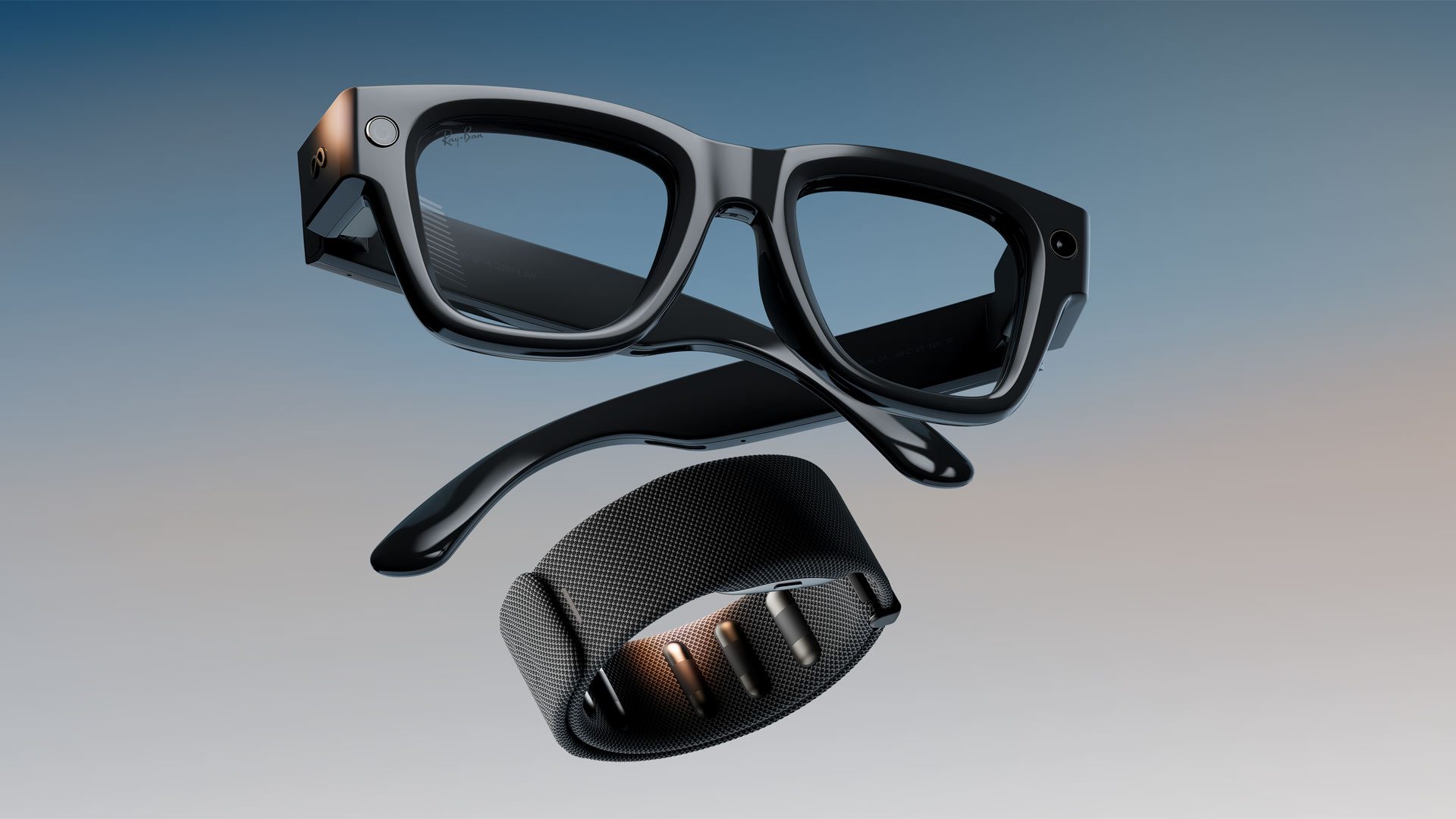
Meta Ray-Ban Display Glasses & Neural Band | Image courtesy Meta

But it probably won’t always be that way. Meta seems to be leveraging what it can feasibly (and cheaply) do right now without having to cut any expensive licensing deals with dominant players in the smart watch segment.

The company does have a vector to get all of that data one day though. Meta Ray-Ban Display comes with a wrist-worn Neural Band controller that uses surface electromyography (sEMG) which lets users quietly write out messages and manipulate UI. I can imagine a near future where Neural Band has a packet of sensors similar to a smart watch, albeit without the display.

Provided Meta goes that specific route, the company wouldn’t need to integrate with existing health ecosystems at all for its future smart glasses. It will already have everything it needs to close the loop on what you’re eating and how you’re burning it off.

The post Meta Inches Into Health Wearables with New Food Logging Feature for Ray-Ban Smart Glasses appeared first on Road to VR.


from Road to VR https://ift.tt/jVKSuDZ
via IFTTT
Related Posts Plugin for WordPress, Blogger...