Meta announced it’s separating Horizon Worlds from the Quest platform, as the one-time social VR app is going “almost exclusively mobile” moving forward.
The News
“Our goal remains constant: to empower developers and creators as they build long-term, sustainable businesses,” said Samantha Ryan, VP of Content at Reality Labs. “We used to have a pretty well-defined audience for VR, but as we’ve grown, we’ve attracted new audiences—who want different things—and the onus is on us to make sure that each of these distinct groups can find the apps and games that appeal to them.”
Here, Ryan is referring to evolution of it userbase. In February 2025, the company announced that younger users were helping to push a new emphasis on free-to-play content.
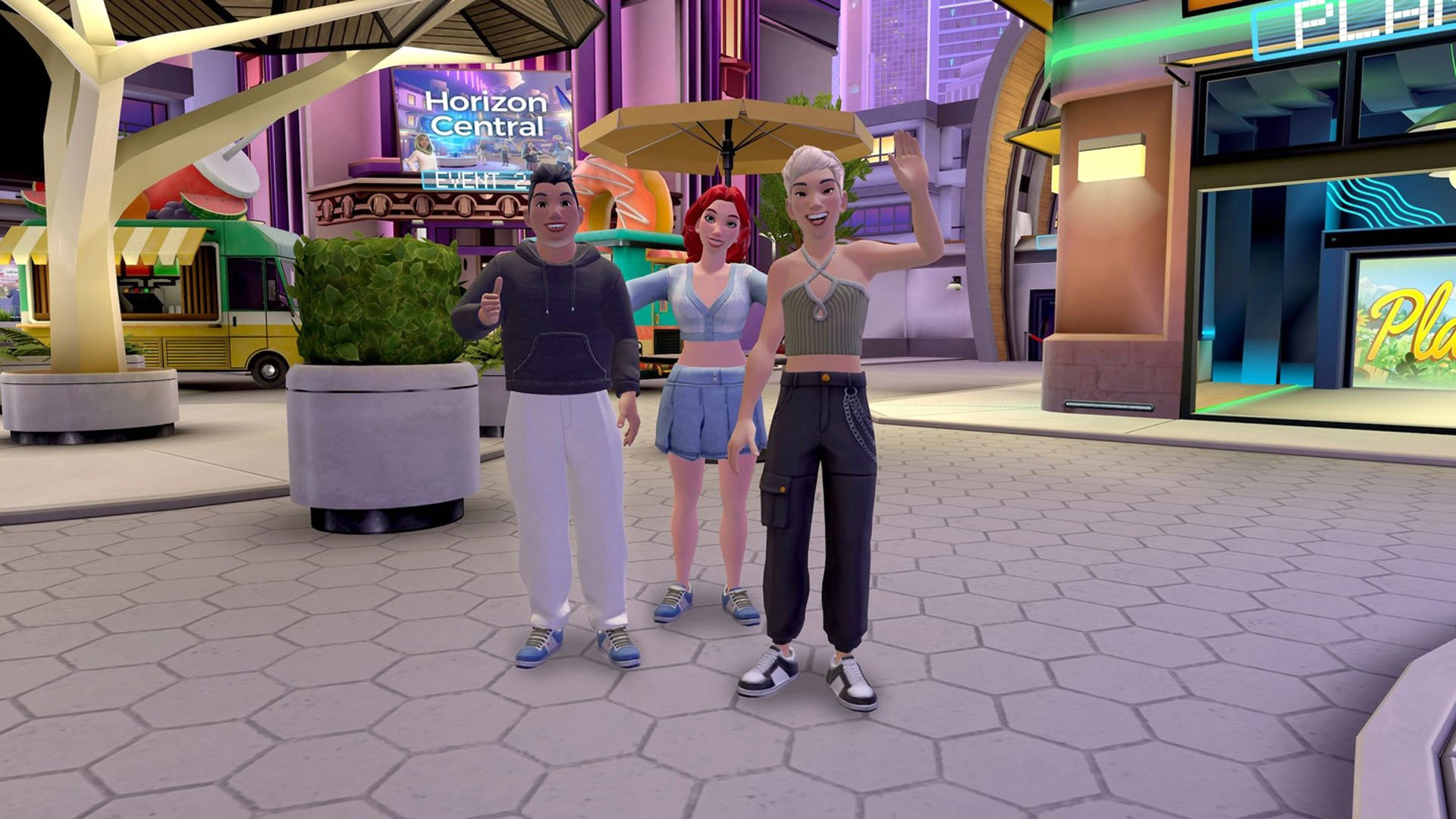
“That’s why we’re changing our roadmaps to increase your chances for success. We’re explicitly separating our Quest VR platform from our Worlds platform in order to create more space for both products to grow,” Ryan said. “We’re doubling down on the VR developer ecosystem while shifting the focus of Worlds to be almost exclusively mobile. By breaking things down into two distinct platforms, we’ll be better able to clearly focus on each.”
This largely echoes statements made by Meta CTO Andrew Bosworth last month defending layoffs affecting 10 percent of its Reality Labs, wherein he explained that higher costs and a fractured development process led to the decision.
“Having to build everything twice—once for mobile and once for VR—is a tremendous tax on the team. You’d rather grow a giant audience and then work from a position of strength,” Bosworth said.
While Worlds promotion is being removed from Quest’s suggested content feed, at the time of this writing Horizon Worlds is still downloadable from the Horizon Store for Quest. It remains to be seen when Worlds will be decoupled entirely.
My Take
While Meta has never shared concurrent user numbers for Horizon Worlds, one of the key limiters in the beginning was undoubtedly the need for a Quest headset to play. It wasn’t available on anything else, which is fine when you have a addressable concurrent userbase in the multimillions—something even the most popular VR platform can’t claim at this point.
Notably, before Meta released on Android and iOS in late 2023, other social VR platforms had already made strides in the direction of bringing support to mobile, including class leaders VRChat and Rec Room. So, Meta followed suit, and quickly found out that kids with cellphones were spending more time and money in Horizon Worlds than Quest users.
And ultimately, some of this came down to control. Ostensibly hoping to avoid publicly-damaging controversy from the get-go, Meta initially kept a fairly tight leash on user-generated content, including complexity and visual richness of worlds. Even now, user avatars are fairly basic, with the pipeline of customization funneled to purchasable accessories rather than user-generated avatars, like you might see in VRChat.
That said, Horizon Worlds experienced a much slower and rockier start than Meta likely thought it would following its initial release on Quest in 2021. In retrospect, Meta’s more recent decision to mix user-generated Worlds with actual VR apps in the Store feed was probably a last ditch effort to get Quest users finally interested in Worlds—even if by accident.
The post Meta Separates ‘Horizon Worlds’ from Quest, Going “almost exclusively mobile” appeared first on Road to VR.
from Road to VR https://ift.tt/74lytTE
via IFTTT


No comments:
Post a Comment