Black Friday 2025 is a great time to grab some of the best deals on VR gear, including deep discounts on Meta Quest 3S, PSVR 2, Ray-Ban Meta smart glasses, VR games and more.
Meta Quest 3S
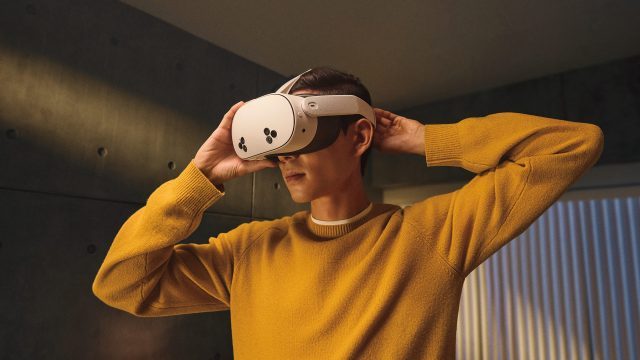
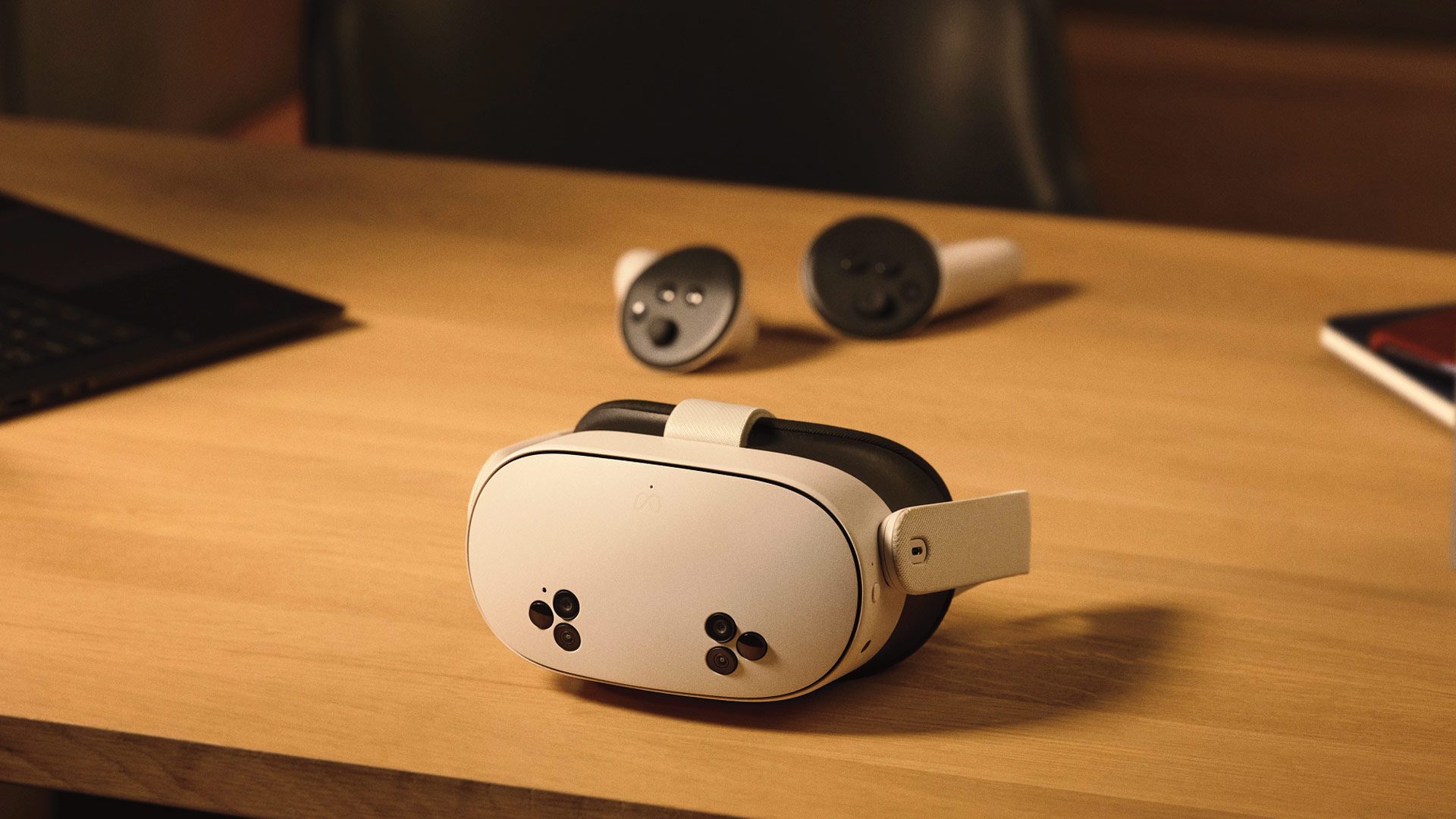
Meta Quest 3S | Image courtesy Meta
Normally priced at $300 for the 128GB version, Quest 3S is currently on sale at Costco for its cheapest price yet: $200 for the 128GB version for members, and $215 for non-members. Check out more details on the deal here.
There’s also a load of official Quest accessories on sale right now too via Amazon and direct from Meta:
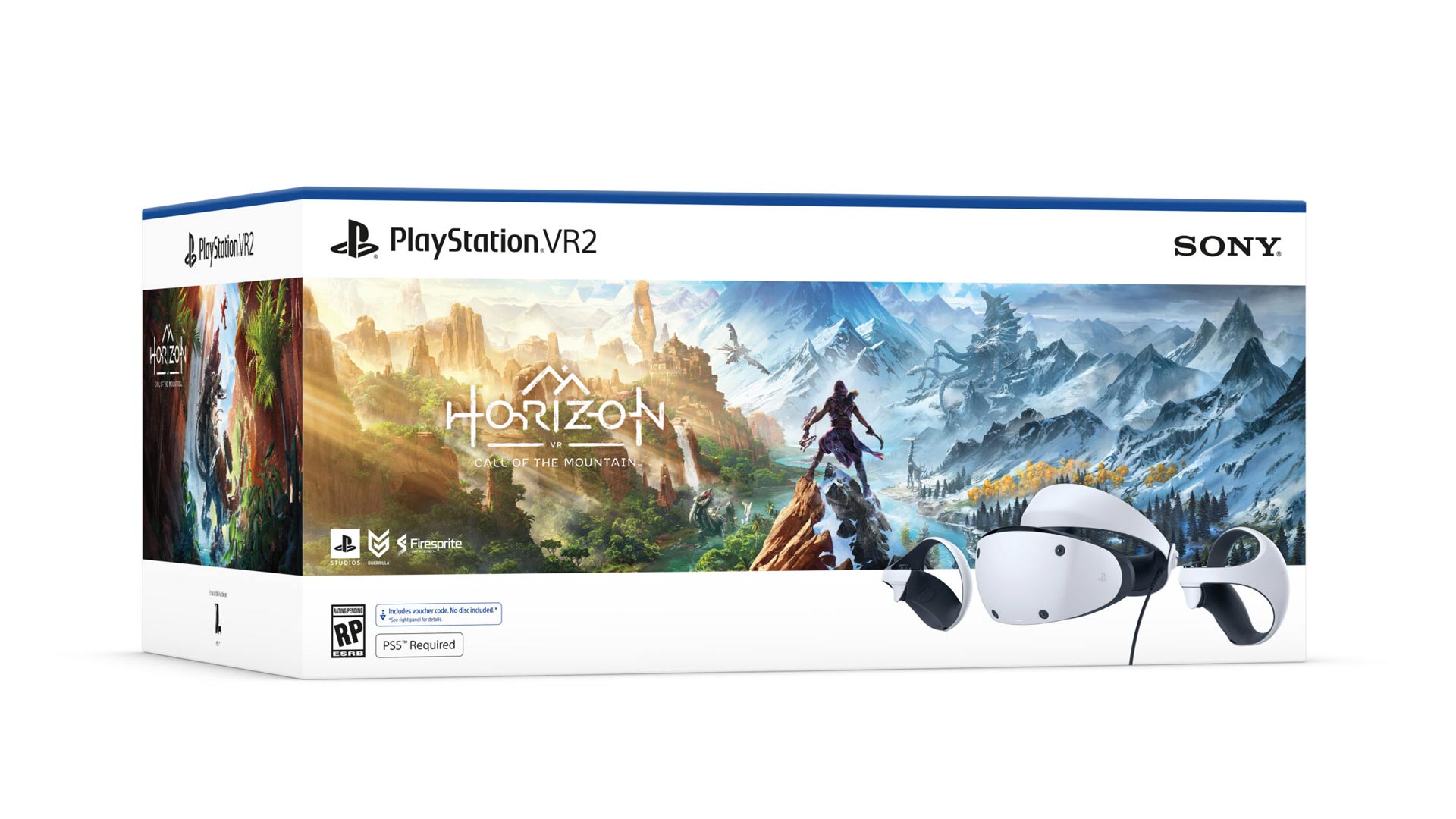
Originally priced at $400, you can nab this hardware bundle for $100 off via Amazon. Note: this doesn’t include the required PlayStation 5 console: just the headset, controllers, and Horizon Call of the Mountain game.
Ray-Ban Meta (Gen 1) Smart Glasses
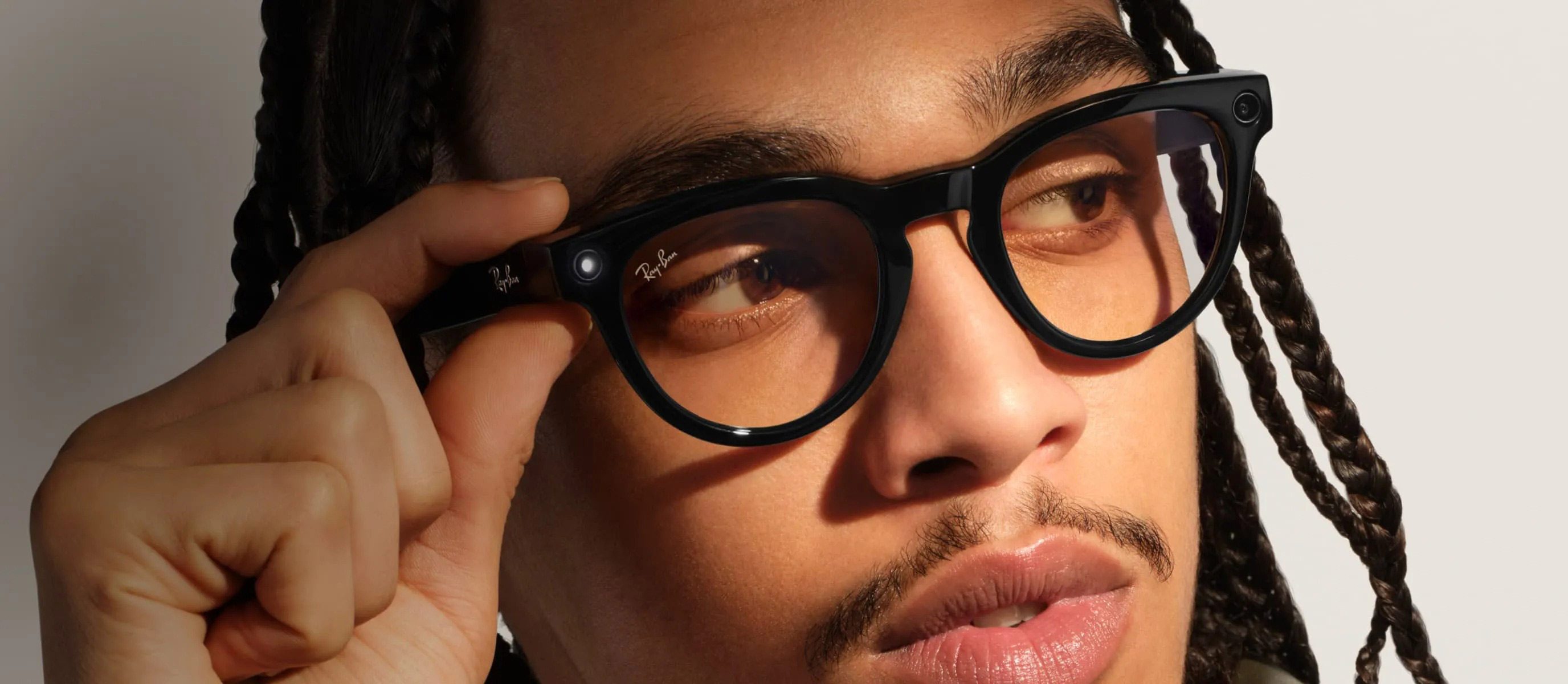
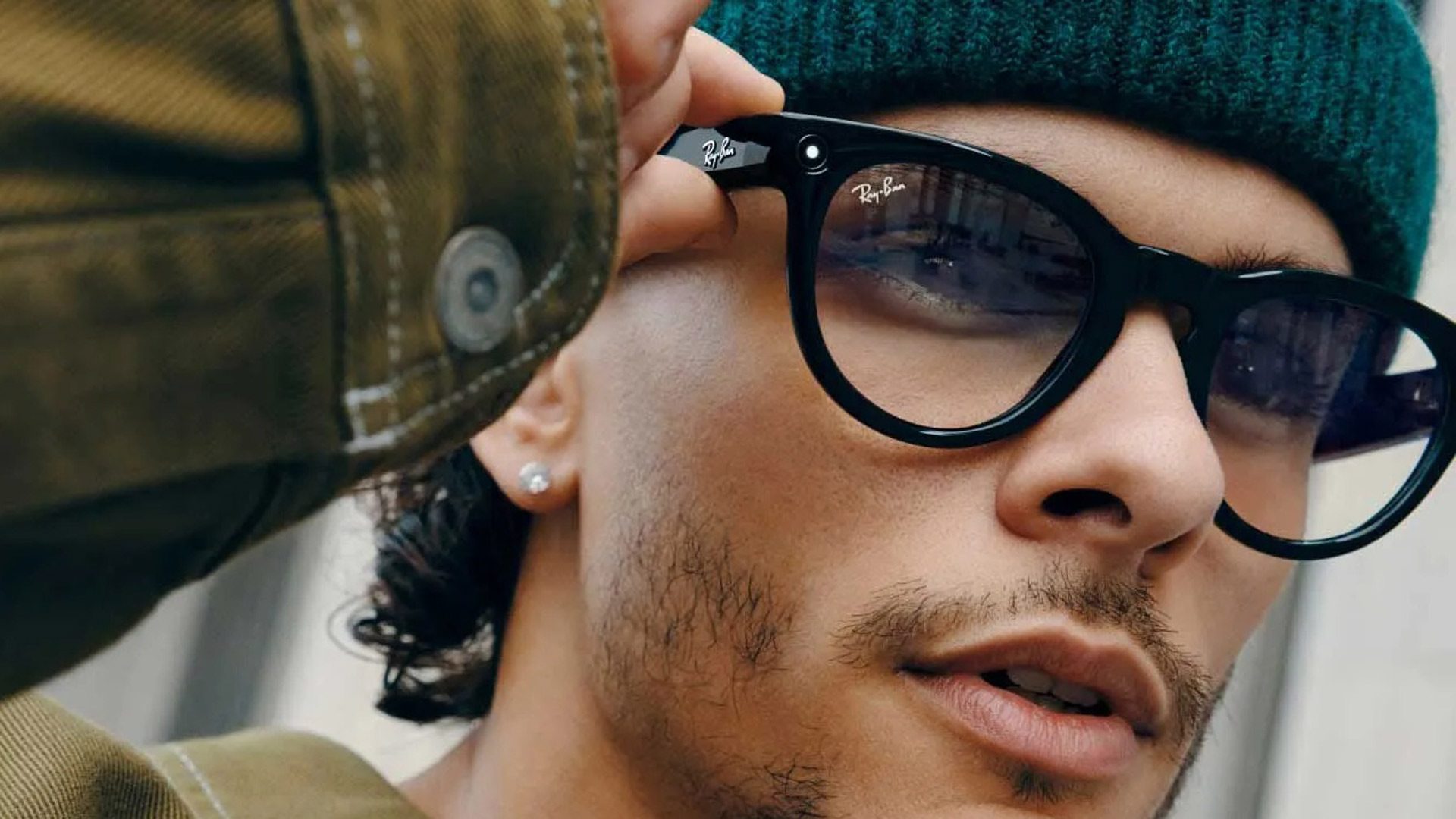
Ray-Ban Meta Glasses, Image courtesy Meta, EssilorLuxottica
Released in 2023 starting at $300, Ray-Ban Meta (Gen 1) are capable smart glasses have a lot going for them: video/photo capture, onboard AI assistant, and the ability to play music and take calls.
While it’s true there’s now a second gen version, which starts at $380, you can grab a pair of the Gen 1 smart glasses for starting at $240 — that’s 20% off the original price, which includes the whole gamut of lens and style combos. See more info here.
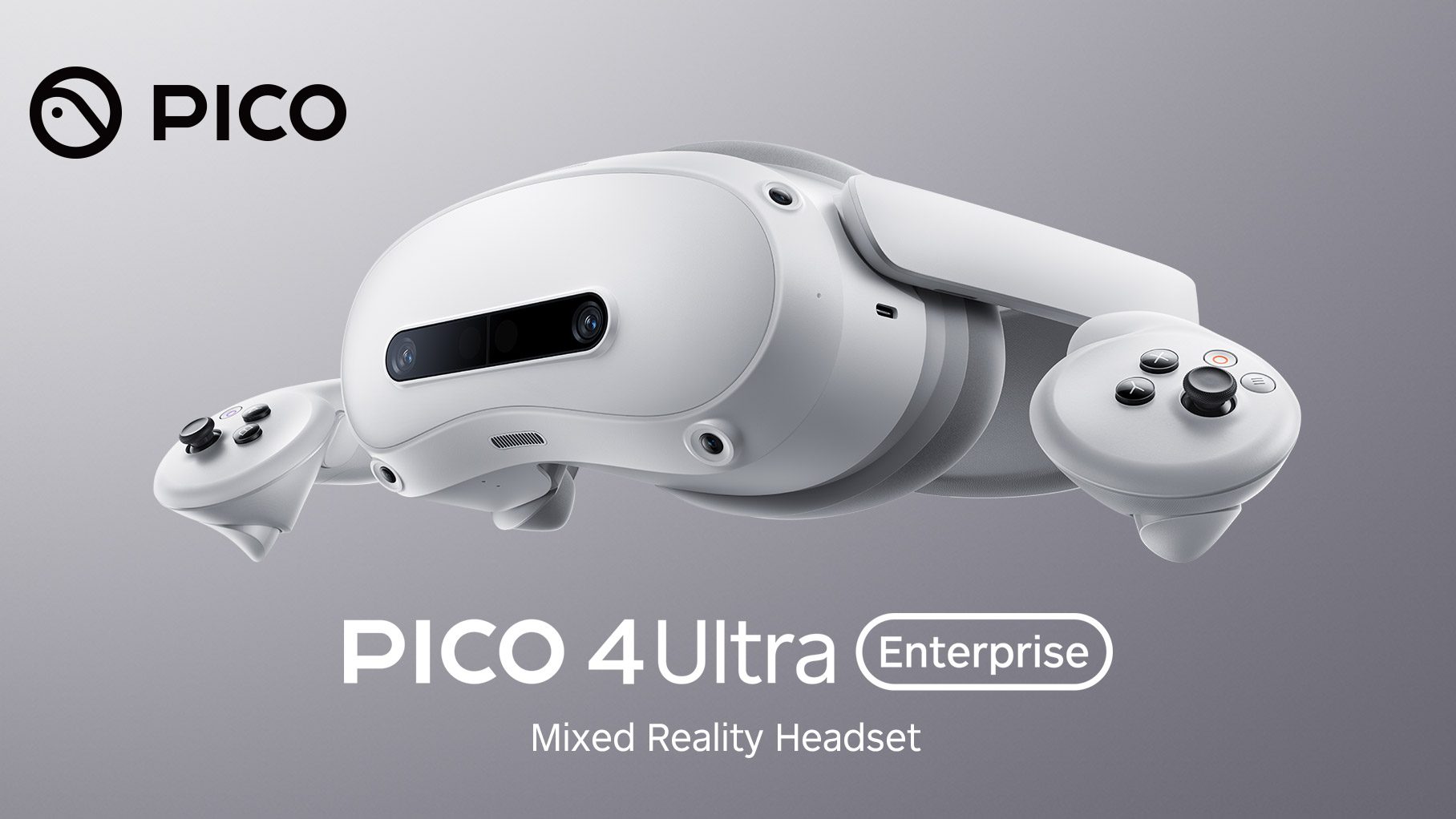
Zhenyuan Yang, Vice President of Technology at Pico parent company ByteDance, reportedly revealed plans for Pico’s next XR headset, which is said to sport a self-developed display chip and 4,000 PPI microOLED display.
The News
According to Chinese news outlet Science and Technology Innovation Board Daily (via Nweon), Yang was speaking at ByteDance’s annual scholarship award ceremony when he mentioned specific plans to release a new Pico XR headset in 2026.
The self-developed chip was started in 2022, Yang reportedly revealed on stage, noting the chip is now in mass production. The chip is said to overcome real-time processing bottlenecks in high-resolution, high-frame-rate mixed reality video, with it capable of reducing system latency to about 12 ms while maintaining high-precision image quality.
It’s also said to improve performance in SLAM, motion compensation, and inverse-distortion workloads, which demand high compute efficiency on low-power devices, Science and Technology Innovation Board Daily reports.
Image courtesy PICO
Supposedly slated to launch in 2026, the headset will pair this chip with a custom microOLED display which is said to approach 4,000 PPI—slightly higher than that of Apple Vision Pro’s 3,386 PPI.
According to the report, Pico’s microOLED display reaches an average 40 PPD (over 45 at center), and addresses brightness limitations by incorporating microlens (MLA) technology and optical compensation for uniform color and luminance. Additionally, Pico is also developing its own data-capture systems to train advanced eye-tracking, gesture-tracking, and spatial-understanding models.
Yang emphasized that since 2023, ByteDance has shifted Pico’s strategy away from aggressive content and marketing spending toward long-term technological investment, increasing XR R&D rather than retreating from the market.
“In 2023, we decided to reduce our investment in content and marketing, and instead focus more firmly on our technology strategy,” Yang said (machine translated from Chinese). “This was because the hardware experience of our products was not yet mature enough to support large-scale market applications. This adjustment led to some misunderstandings at the time, with many people saying that ByteDance was no longer pursuing this direction. In fact, quite the opposite.”
This follows an initial report from The Informationthis summer, which alleged Pico was developing a pair of slim and light MR “goggles,” reportedly codenamed ‘Swan’, which are said to weigh just 100 grams.
My Take
More competition is great, although US-based audiences hoping for a new Vision Pro competitor from Pico may be left waiting.
The company’s headsets are typically only available in China, East and Southeast Asia and Europe—but not in North America, and not for the lack of trying either. An additional stumbling block: Pico headsets have typically been priced above Meta’s equivalents, which has limited appeal in Meta-supported regions.
Still, ByteDance, the parent company behind TikTok and Chinese equivalent platform Douyin, has actually overtaken Meta in revenue, putting the parent company in a better position than ever to bolster its XR platform as a premium offering globally.
Apple announced the next slate of immersive content is on its way to Vision Pro, this time bringing an immersive documentary from Real Madrid and some extreme sports from Red Bull.
First reported by GQ Spain and later confirmed by Apple, next year Apple and Spanish football club Real Madrid are teaming up on a new immersive documentary, coming exclusively to Vision Pro.
The documentary, which hasn’t been named yet, is filmed with over 30 Blackmagic immersive cameras during the 2025-26 Champions League, which pitted Real Madrid against Italian football club Juventus.
Apple says the immersive documentary “brings viewers inside the world’s most decorated club, capturing moments from practice to the pitch with a level of access that fans have never experienced before.”
Also coming to Vision Pro is the first installment of World of Red Bull in December, which Apple announced a few months ago.
Image courtesy Red Bull
World of Redbull is a new series of immersive experiences that will start with ‘Backcountry Skiing’, featuring the world’s top freeskiers taking on the wilderness of Revelstoke, British Columbia. That’s scheduled to land on Vison Pro on December 4th.
The next episode, called ‘Big-Wave Surfing’, is slated to let viewers follow elite surfers off the remote coast of Teahupoʻo, Tahiti, which is scheduled to arrive sometime next year.
Godot, the open source game engine, has included basic OpenXR support for a number of years now, allowing developers to easily publish their apps across a variety of XR headsets. Now, Godot just an update that brings even more OpenXR functionality, aiming to make the free and open source engine even more attractive to XR devs.
The News
OpenXR is an open, royalty-free standard lead by The Khronos Group which provides a single, unified interface for developing VR and AR applications. Most XR platforms support it—excluding Apple, which uses its own APIs for Vision Pro.
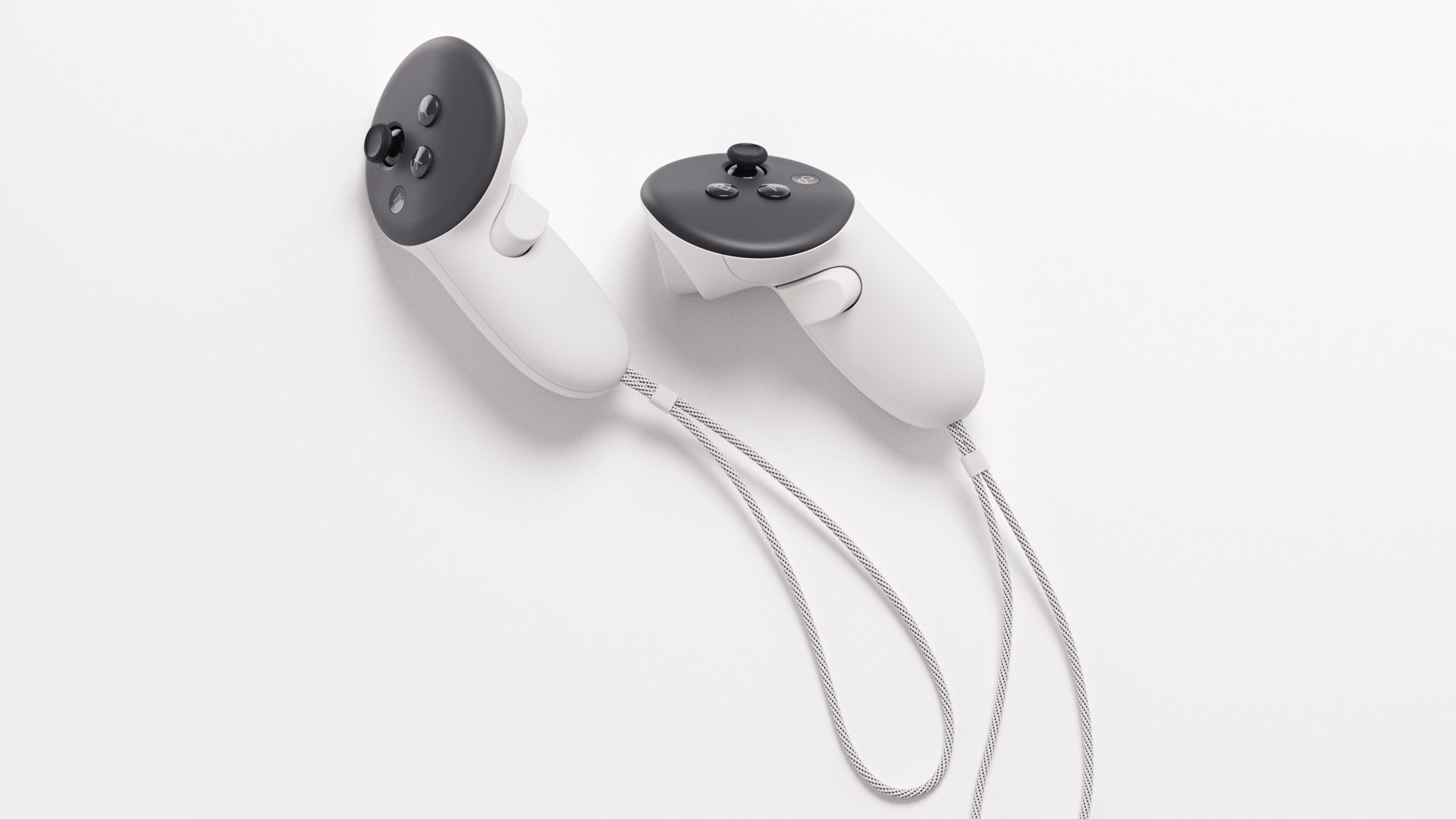
Now, in the recent 4.5 update, the Godot game engine officially shipped a big OpenXR feature, namely the OpenXR render models extension, which allows for the system to accurately recognize and display platform specific hardware, like controller models—important to a proper sense of immersion when in XR.
Quest 3 Touch Controllers | Image courtesy Meta
Godot’s Lead XR Maintainer Bastiaan Olij says in a blog post the next major step though is on its way, coming in Godot 4.6. In the developer preview (Godot 4.6 dev 1), the engine already now supports OpenXR Spatial Entities, including mixed reality tools like spatial anchors, plane detection, and marker tracking—essentially allowing developers to build persistent, spatially aware MR experiences.
What’s more, Godot 4.6 also adds OpenXR 1.1 support, which includes frame synthesis for improved reprojection. Ongoing work also includes better Quad View rendering, which allows for higher quality rendering at the user’s focal point. A major Android improvement now also allows developers to deploy one universal APK for all OpenXR-compatible XR devices.
Looking ahead, Godot plans to tackle body tracking standardization, more spatial entities, multi-app support, and improved generic controller workflows, Olij says, noting that by funding and supporting Godot, Khronos ensures that its open standards, such as OpenXR, evolve with direct input from the developers who rely on them.
My Take
When it comes to XR, most apps are developed with the Unity game engine, since its barrier to entry is so low: it’s cheap (or free), has excellent documentation for learning and troubleshooting, and offers cross-platform support.
This is all well and good, provided the company behind it doesn’t alter its fee structure like it did back in 2023, which was poised to charge developers based on game installs after crossing certain revenue thresholds. In short, this would have squashed indie devs and free-to-play devs from the get-go. The structure was also designed to be applied retroactively, meaning anyone who published a game using Unity in the past could actually owe the company money, or be forced to take down their project.
Understandably, the fee structure was met with swift backlash from the developer community, forcing Unity to reverse course. The whole fiasco though reportedly doubled Godot’s user base at the time. Great for Godot, and I hope they can keep up the momentum so competition can always force publicly traded companies to think twice before putting shareholder value ahead of its userbase.
Meta announced WorldGen, a new AI tool that could soon let you generate navigable 3D worlds in minutes from a single text prompt.
The News
Meta Reality Labs announced WorldGen in a blog post, a research-stage system for generating fully navigable, stylistically coherent 3D worlds from a single text prompt.
As outlined in WorldGen’s research paper, instead of producing only a single viewpoint or small environment, the AI-driven system creates large, consistent scenes up to 50 × 50 meters that you can walk through, explore, and load directly into engines like Unity or Unreal Engine.
The pipeline combines several components: procedural layout generation, image-based planning, diffusion-driven 3D reconstruction, navmesh extraction, scene decomposition, mesh refinement, and texturing, Meta says.
Additionally, Meta says WorldGen can also decompose scenes into objects using an accelerated AutoPartGen process, making the environments more reusable and editable.
It’s not out yet though, as Meta says there are several limitations to wide-spread usage:
“Currently, WorldGen relies on generating a single reference view of the scene, which restricts the scale of scenes that can be produced,” Reality Labs’ paper says. “Large open worlds spanning kilometers are not supported natively and would require generating and stitching multiple local regions, which risks introducing non-smooth transitions or visual artifacts at region boundaries.”
Other limitations include the inability to model multi-layered environments, like multi-floor dungeons or seamless interior-exterior transitions. And unlike human-created environments, WorldGen doesn’t reuse textures or geometry, which is often done for rendering efficiency—something Meta says they’re exploring in future versions to push scalability.
My Take
Horizon Worlds needs high-quality content to attract and keep users coming back for more. Although I can’t say rando-generated AI worlds will solve that problem, doing some of the grunt work of creating set pieces could demonstrably improve the baseline of current worlds.
To boot, the company has already released a host of AI features for Horizon Worlds creators, including an AI-powered ‘Creator Assistant’ co-pilot, as well as AI-driven 3D mesh and texture generation, typescript code creation, sky and audio generation for sound effects and ambient environments; WorldGen ostensibly packages a lot of these disparate systems into a monolithic prompt box.
Granted, it’s not out yet, although these early steps do feel a bit like inching up to the cusp of fully AI-generated games, and not just 50 × 50 meter levels. Whatever the case, it appears Horizon Worlds hopes to one day play host to worlds essentially vibe developed into existence.
Meta is tossing out a limited time 20% discount off all Ray-Ban Meta (Gen 1) smart glasses, which you can nab from now until December 1st.
The News
Released in 2023 starting at $300, Ray-Ban Meta (Gen 1) are capable smart glasses in their own right, including video/photo capture, onboard AI assistant, and the ability to play music and take calls.
The second gen version released earlier this year, starting at $380, bringing with it better battery life, higher-quality video capture, and improved audio/mics. You can check the spec sheet below for a 1:1 comparison.
Still, at $240, Meta’s latest deal makes Gen 1 the cheapest it’s ever been, with the 20% discount available across all Gen 1 lens and style combos.
Ray-Ban Meta Glasses, Image courtesy Meta, EssilorLuxottica
You can get the deal from now until December 1st direct through Meta, which includes expedited shipping, as well as partner retailers, including Amazon, Best Buy, Ray-Ban Stores, and Target in the US.
Many supported regions are getting the deal too, which you’ll find in local pricing across Europe, Australia, Canada, India, Mexico, the United Arab Emirates, and the UK.
Meta is also tossing out 20% off prescription lenses when you purchase Ray-Ban Meta (Gen 1 and 2) and/or Oakley Meta HSTN glasses, which will only be available through Meta from now until December 1st.
Ray-Ban Meta: Gen 1 vs Gen 2 Specs
Gen 1
Gen 2
Camera
12 MP ultra-wide
12 MP ultra-wide (improved sensor)
Photo Resolution
3,024 × 4,032
3,024 × 4,032
Video Resolution
1,440 × 1,920 @ 30 fps
Up to 3K @ 30 fps (includes livestreaming ability)
While Meta is clearly using the big Black Friday sales rush to flush old stock, I honestly hoped for a much larger barn burner, although it’s pretty clear why we’re not seeing the any super deep discounts.
As occult corporate calculus goes, Meta and EssilorLuxottica probably don’t want to make Gen 1 too attractive to people who might otherwise just spring for the more expensive Gen 2. This makes me think that 20% off is about as low as Meta will go this year around, although I’ll be keeping my eye on post-Black Friday sales to confirm.
Still, there are some caveats potential buyers should be aware of: neither are better at capturing video than your smartphone, and they don’t play music better than even mediocre wireless ear buds. You also have to use Meta AI, which is… okay, making it more of a fun toy (or Christmas gift) than a must-have addition to your smartphone.
Halfbrick Studios and series creator Ian Fitz just released The Thrill of the Fight 2 out of early access on Quest, bringing with it a new single player campaign.
First released in early access on Quest in late 2024, The Thrill of the Fight 2 is best known for bringing online multiplayer to the series for the first time.
Now out of early access, Halfbrick says the game’s official launch includes an entire single player campaign to go along with existing multiplayer matches.
“While 1.0 marks a major milestone for the game, we’re just getting started — more updates are on the way as we build the world’s most realistic VR boxing simulator,” Halfbrick says, noting that users should keep an eye on the game’s roadmap to chart progress.
In the game’s new singe player career mode, you start as an amateur on your way to the top, where you’ll compete for gold, unlock gear, and build your fighter’s stats with training minigames.
Free play also lets you fight an AI opponent any time in sparring mode, where you can choose difficulty levels, round numbers, and round lengths—all of which can be done while waiting in the multiplayer queue.
In the meantime, you can grab The Thrill of the Fight 2 on Quest 2 and above on the Horizon Store, priced at $20.
Marvel’s Deadpool VR serves up a boat load of quippy banter and on-brand humor from everyone’s favorite ‘merc with a mouth’, truly bringing the soul and wit of the character to virtual reality. While combat can feel repetitive at times, and the narrative a little on the thin side, excellent gameplay variety combined with the game’s fourth wall-breaking protagonist makes for a refreshingly fun overall experience.
Marvel’s Deadpool VR Details:
Developer: Twisted Pixel Publisher: Oculus Studios Available On:Quest 3 & 3S Reviewed On: Quest 3 Release Date: November 18th, 2025 Price: $50
Gameplay
Deadpool VR is all about expectations. At its core, we’re getting a big budget, highly polished, multi-hour VR experience that features a name brand superhero that actually isn’t some weird knockoff (cough, Marvel: Power United VR). If you’re looking for Deadpool, you’re definitely getting it here: guns, katanas, and dick jokes aplenty.
For dyed in the wool Deadpool fans, you can probably stop reading here. You will love the game regardless of this VR nerd’s opinions on combat, enemy variety, inventory, and the general disposability of the game’s narrative.
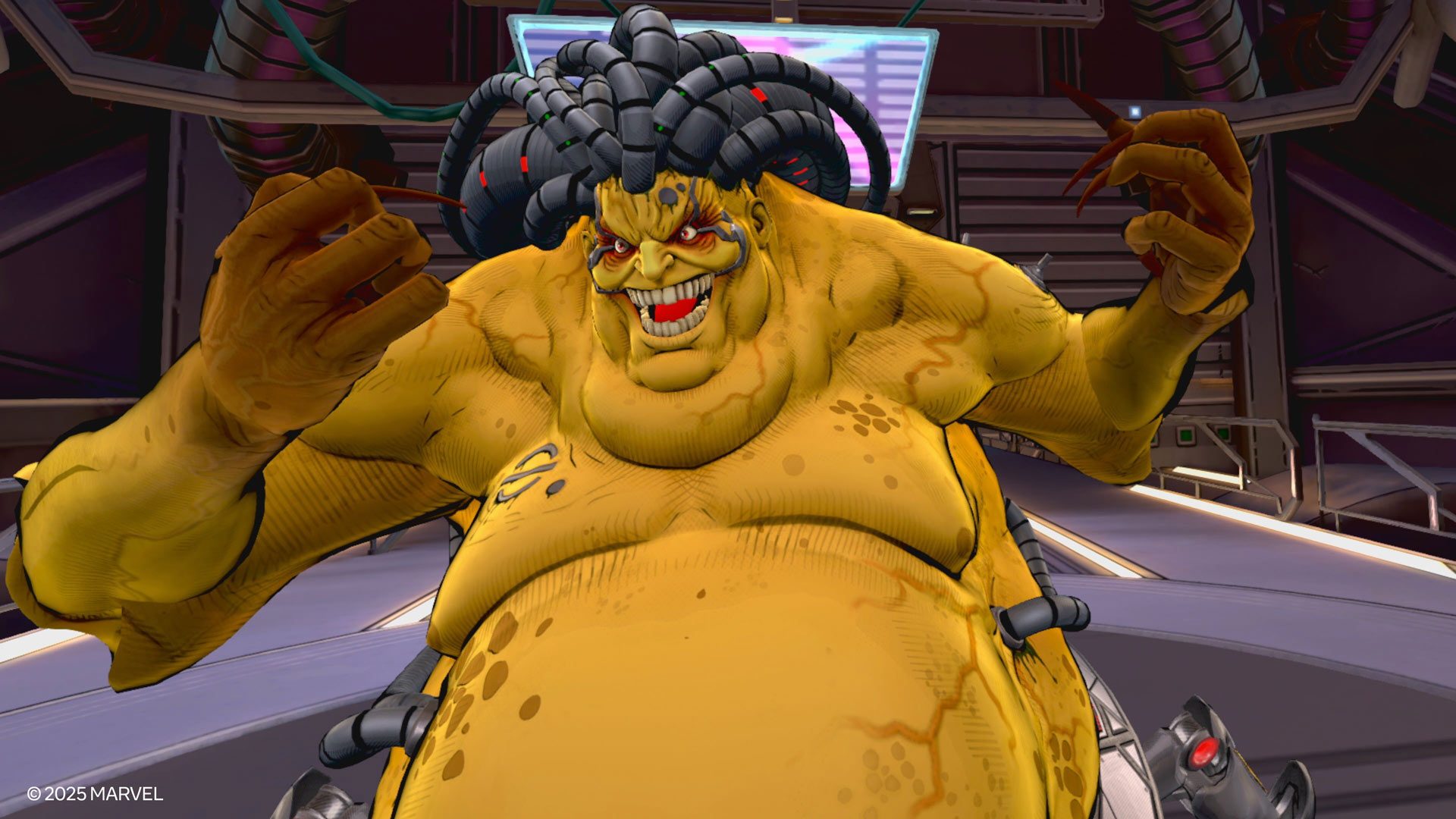
But for everyone else, here’s the quick and dirty. You’ve been kidnapped by Mojo, an intergalactic TV producer who livestreams fighting tournaments. He needs talent, and it’s your job to find it, which means you’ll be portaling into a bunch of different worlds, fighting through waves of baddies, and nabbing a handful of minor Marvel villains to star as combatants on Mojo’s channel.
Image courtesy Twisted Pixel
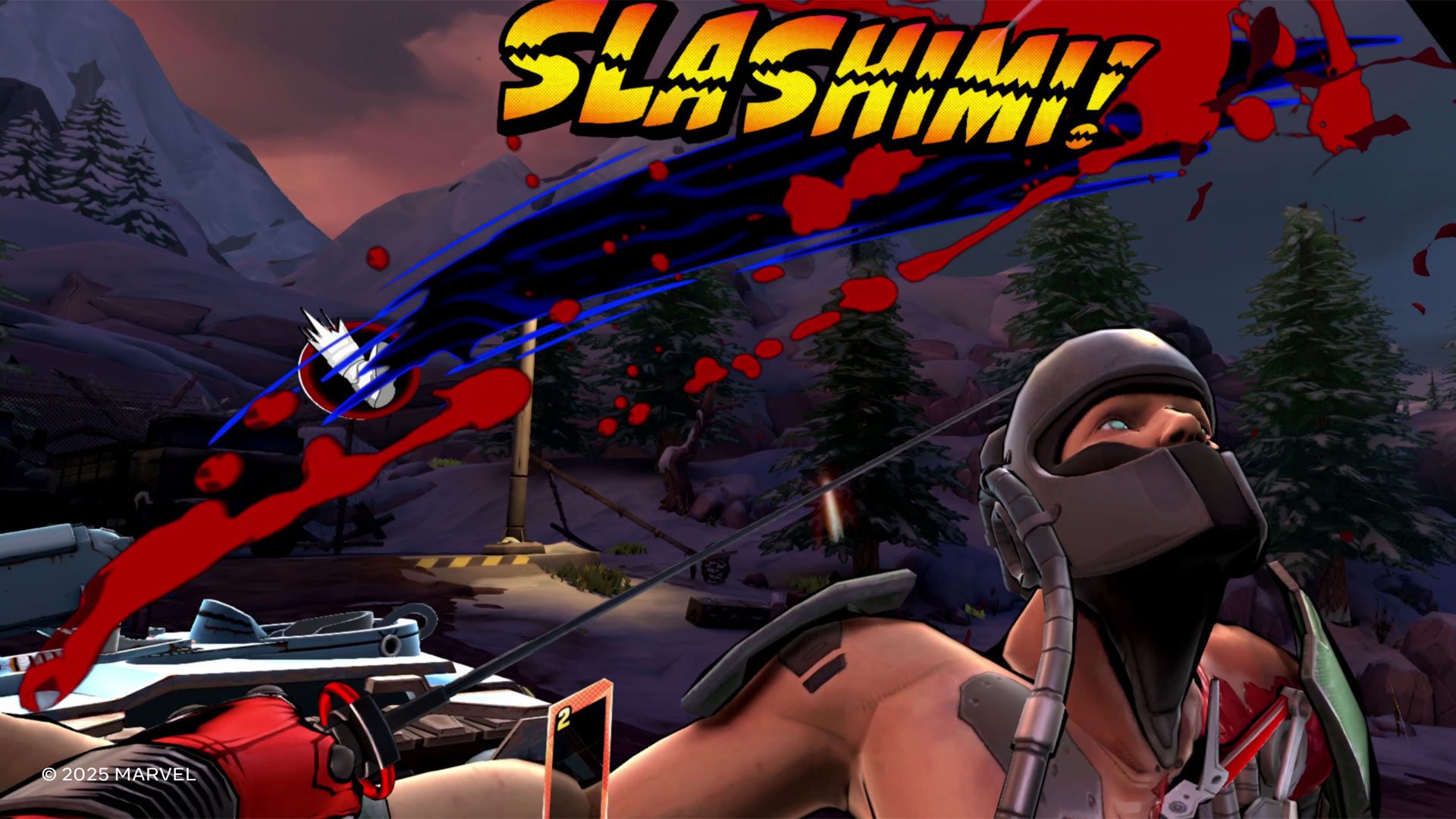
You aren’t just executing waves of ninjas, robots and demons though: the game wants you to do it with style, because every epic kill gets you more viewers, which in turn means more points, more upgrades, and even a special ability to keep things spicy.
That said, as a combat-focused experience, fighting feels a little too repetitive during regular encounters—but I’m going to tell you why that’s mostly okay. You have your dual katanas, pistols, a grenade, and a grappling gun that can attach to pre-defined attachment points, which also doubles as a way of tossing around the easiest baddies—all of which seems to offer a lot of latitude on how to fluidly take down enemies.
The game tries to reward you for going ham on each bad guy with the promise of weapon unlocks and cosmetics, but the sheer number of baddies, combined with the general uselessness of the unlocks, essentially threaded me down the path of optimizing my killing patterns rather than going for what the game hopes I’ll do: combo slicing a guy to death when I could have just shot him in the head a few times.
And I think you’ll probably end up doing what I did: the most efficient method is spamming the jump-kick button combo to automatically fly to the baddies face in slow-mo, which lets you unlock a bunch of bullets into them. Not very cinematic after the hundredth time, but it gets the job done. That’s why it kind of sucks, but here’s why it’s kind of okay.
Image courtesy Twisted Pixel
There is actually a ton of novelty on display to keep things suitably fresh, which I think smooths over lackluster combat.
For all of the drabness of ganking your millionth nameless henchman, Deadpool actually lets you do a bunch of cool and interesting things—and I’m not talking about the finisher moves, where you jump-kick a guy’s head clean off his stump neck… that gets old quick. The game’s boss fights always come with fun and unique quick time events where you need to use all of your kit at your disposal—of course with Deadpool sarcastically lambasting everyone all the way through.
And there’s even more. Meanwhile, you’re not just fighting against bosses and hoping to Shanghai them back to Mojo World—that is after all the entire story line. You’re also taking part in the spectacle, as you engage in (basically) fake multiplayer matches with a variety of game modes and maps. All of it means you’re constantly doing something different, somewhere different, which really helps to keep every moment fresh despite regular combat being a bit of a sore spot.
While cosmetics are fun, functionally speaking upgrades feel a little tame. At least for now, there aren’t any alternative game modes outside of the campaign, although there is a virtual smorgasbord of ways to earn spendable points, which let you unlock different weapons, skins and player cosmetics. The main emphasis is undoubtedly on skins here, as each pistol only has a half dozen variants that basically just mix and match three basic stats: reload time, magazine size and fire power.
That said, if you’re into chasing down collectables, Deadpool VR has you covered. If you’re like me though, you’ll be fine after beating the final boss (around the eight hour mark on ‘normal’ difficulty for me) and not really diving back in for more.
Immersion
Yes, the katana-wielding antihero is voiced by Neil Patrick Harris, and not celebrated Canadian film actor Ryan Reynolds. Still, NPH has mastered the Deadpool we all know and love—foul mouth jabs and pop culture references galore. To boot, there’s also John Leguizamo as Mojo and the ever-brilliant Jeffrey Combs as Mojo’s chief henchman, Major Domo, making for some of the best voice acting and script writing I’ve ever experienced in my decade of VR gaming.
And thankfully, this isn’t some sort of Skibidi Deadpool reimagined for people born in this century—this is vintage Deadpool. That means you’ll be treated to loads of ’70s, ’80s and early ’90s TV references, which in 2025 feels increasingly odd for a game that’s undoubtedly hoping to appeal to Quest’s target demographic (aka not the 40+ crowd). Whatever though. If you love Deadpool in any capacity, you’re definitely getting the real deal in this VR game.
On the whole, visuals are excellent, although a bit of a mixed bag. Sometimes I get a distinct cell shaded, Borderlands vibe to everything, which is totally on-brand for Marvel’s comic book heritage. Then, at times, the game takes on a smoother, more realistic design that doesn’t exactly clash, but it does leave me feeling like I’m in a different game.
Still, it’s all performing under Quest 3’s modest compute budget, which notably doesn’t use fixed foveated rendering—impressive considering the amount of characters on screen at any given moment.
Object interaction is one of the weakest spots in all of this. The only thing I really want to do is clank my pistols or katanas together, but they clip right through. The users inventory is always cause for frustration: grabbing a grappling gun from behind your back oftentimes results in grabbing a pistol from your side holster (or vice versa), which can absolutely spoil quick time events. Despite being able to somewhat readjust the inventory slots, I would suggest not trying to play seated since cycling through pistols and the grappling gun seems more inconsistent given the limited range of motion.
In the end, I was hoping for a more cinematic narrative that was less game-y overall. As it is, you’re basically in a pocket universe that offers essentially a meaningless outcome. But hey, Deadpool is right along there with you, making fun of developer budgets, the game’s name, hell, even Disney gets a few choice words from the merc with a mouth.
Comfort
Deadpool VR offers up some very intense action, which means you’ll probably need to dial in your own unique comfort settings to mitigate the game’s frenetic movement. I
You can do this with your standard range of settings, seen below, although one of the biggest offenders to comfort is camera shake, which is at a nearly constant when toggled on. There are a few moments when you’re forced onto some sort of moving platforms, but these moments are few and far between, and sometimes allow the user to elect a third-person cinematic view if the first-person experience is too intense.
Maybe less of a physical comfort issue, but more of a moral comfort (?): Deadpool VR serves up its fair share of innuendo and cursing (as you’d expect), although you can toggle on ‘kiddie friendly’ dialogue in the settings in addition to cycling through four difficulty modes.
Marvel’s Deadpool VR Comfort Settings – November 18th, 2025
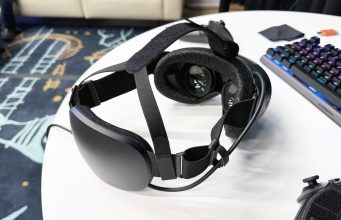
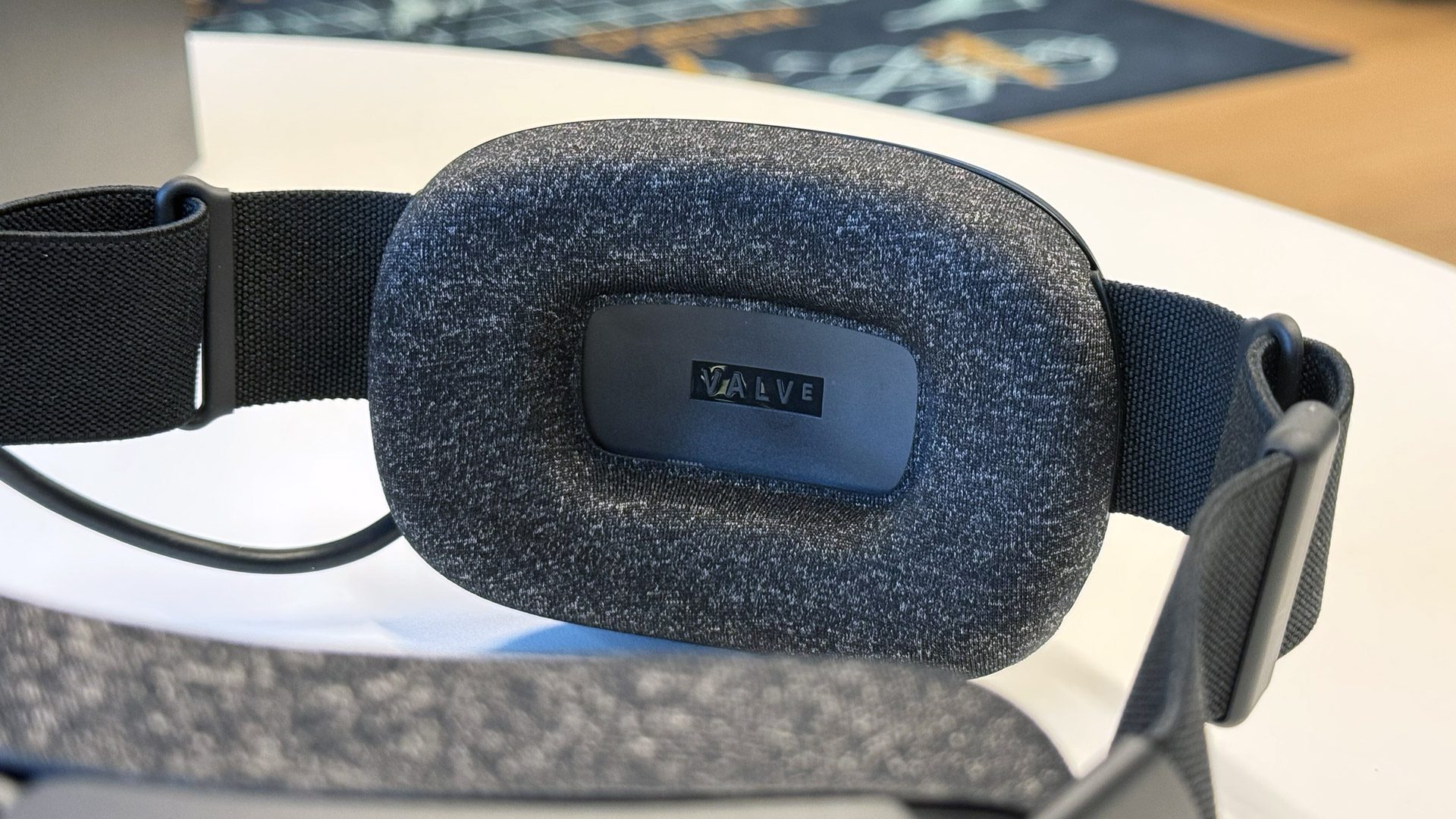
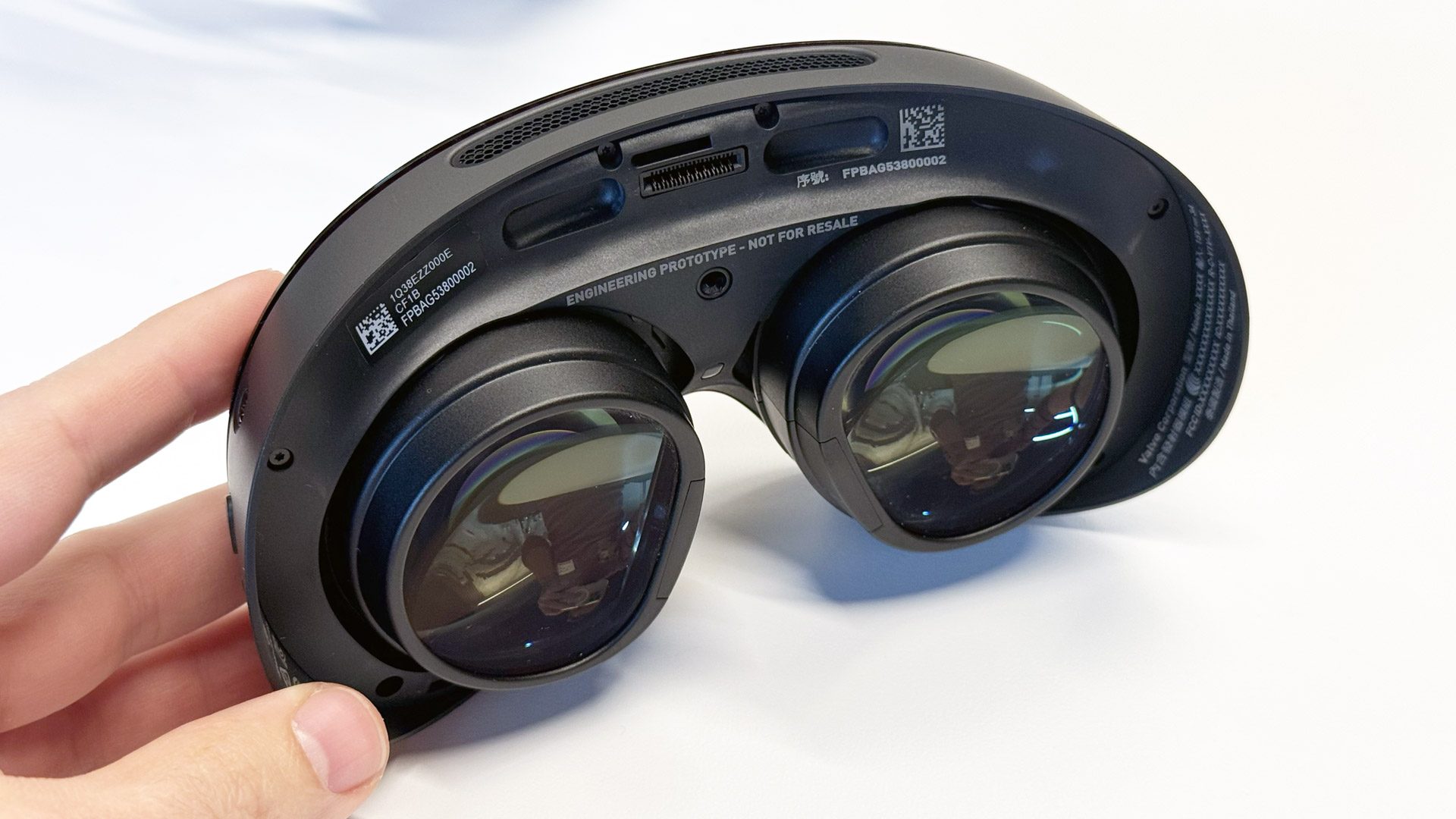
Last week Valve revealed Steam Frame, the company’s new VR headset. Somewhat lost in the deluge of information is the existence of an ‘ergonomic kit’ which will improve comfort with the addition of a top strap and knuckles-style controller straps. Additionally, the headset’s modular design means the entire headstrap, facepad, and battery can be replaced with DIY mods or third-party accessories.
Optional Comfort Kit for Steam Frame
My hands-on preview of Steam Frame was more than 3,000 words… so I can’t exactly fault people for not catching all the details revealed therein. One that I wanted to point out is that Steam Frame is using a soft strap and lacks a top strap. Though the decision has its upsides (like portability and reduced weight), it also has some ergonomic downsides, as I explained:
On one hand, Frame smartly distributes its weight around the head by mounting the battery on the back of the strap. And while this would normally be a smart idea for counterbalancing the front portion of the headset… Frame has a soft strap and no top strap, which means the rear battery weight can’t actually do anything to counterbalance the front of the headset.
Photo by Road to VR
I’ve literally never come across a VR headset to date that’s more comfortable with a soft strap than a rigid strap. Nor have I found one that doesn’t get notably more comfortable when a top strap is added.
Considering Index had both a rigid strap and a top strap, it’s surprising to see Valve take this tactic with Frame. It feels like they wanted to get the on-paper weight down as low as possible, even if it meant a less comfortable headset overall.
And there’s another bothersome issue with Frame’s use of a soft strap (and lack of top strap). To tighten the headstrap, you need to use both hands to pull the strap on each side. But clearly this means you don’t have a third hand available to hold the lenses in the ideal spot while you tighten the strap. That means that putting on the headset usually involves looking toward the floor so the rear part of the strap can keep the headset… well, on your head while you’re tightening the thing. It’s an awkward dance that could have been avoided by using a ratcheting dial so the strap could be more easily tightened with one hand.
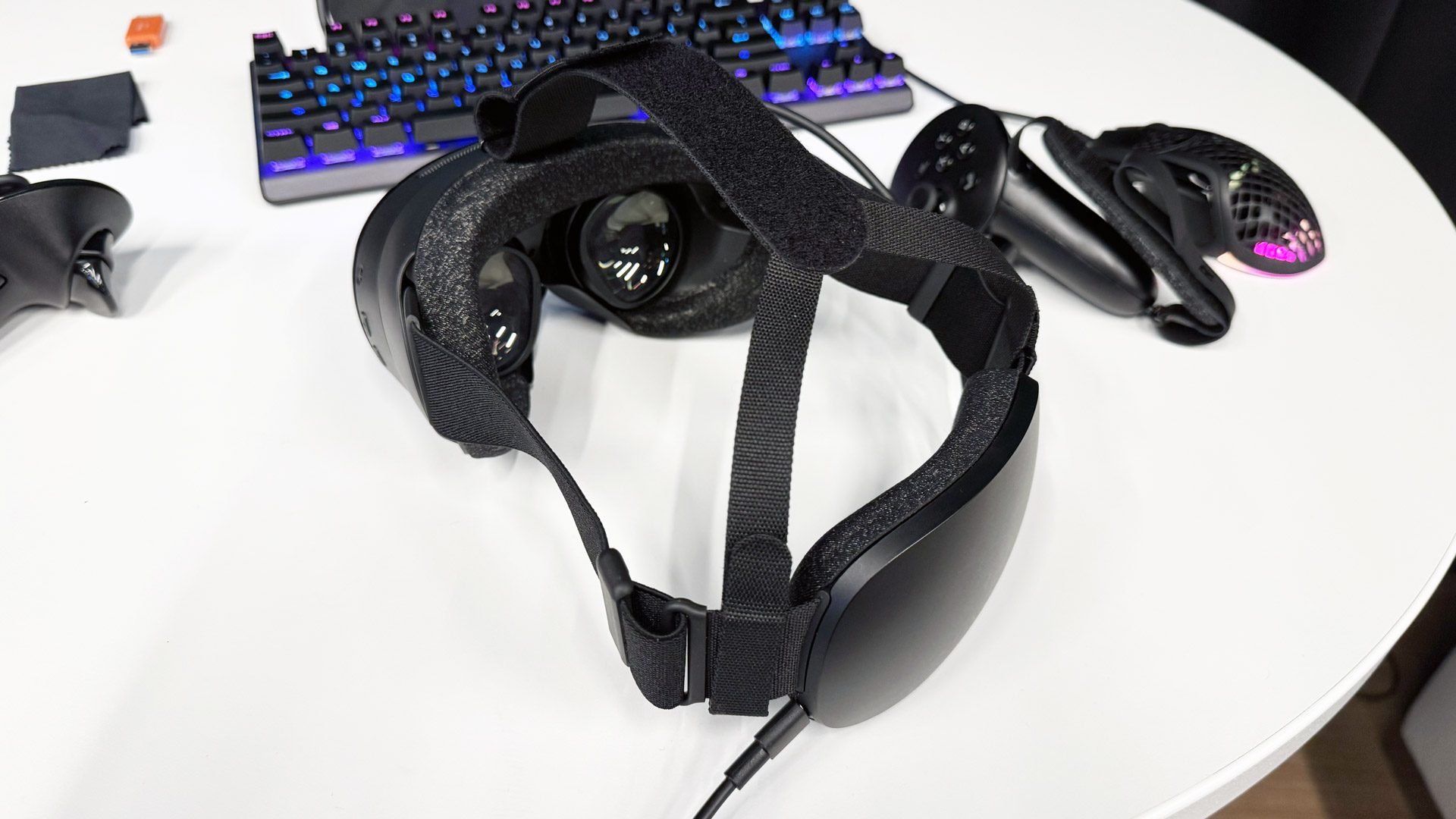
Luckily, Valve has anticipated that some people may prefer some different ergonomic options. The company plans to sell an optional ‘ergonomic kit’ for the headset which will include a top strap for Steam Frame.
Photo by Road to VR
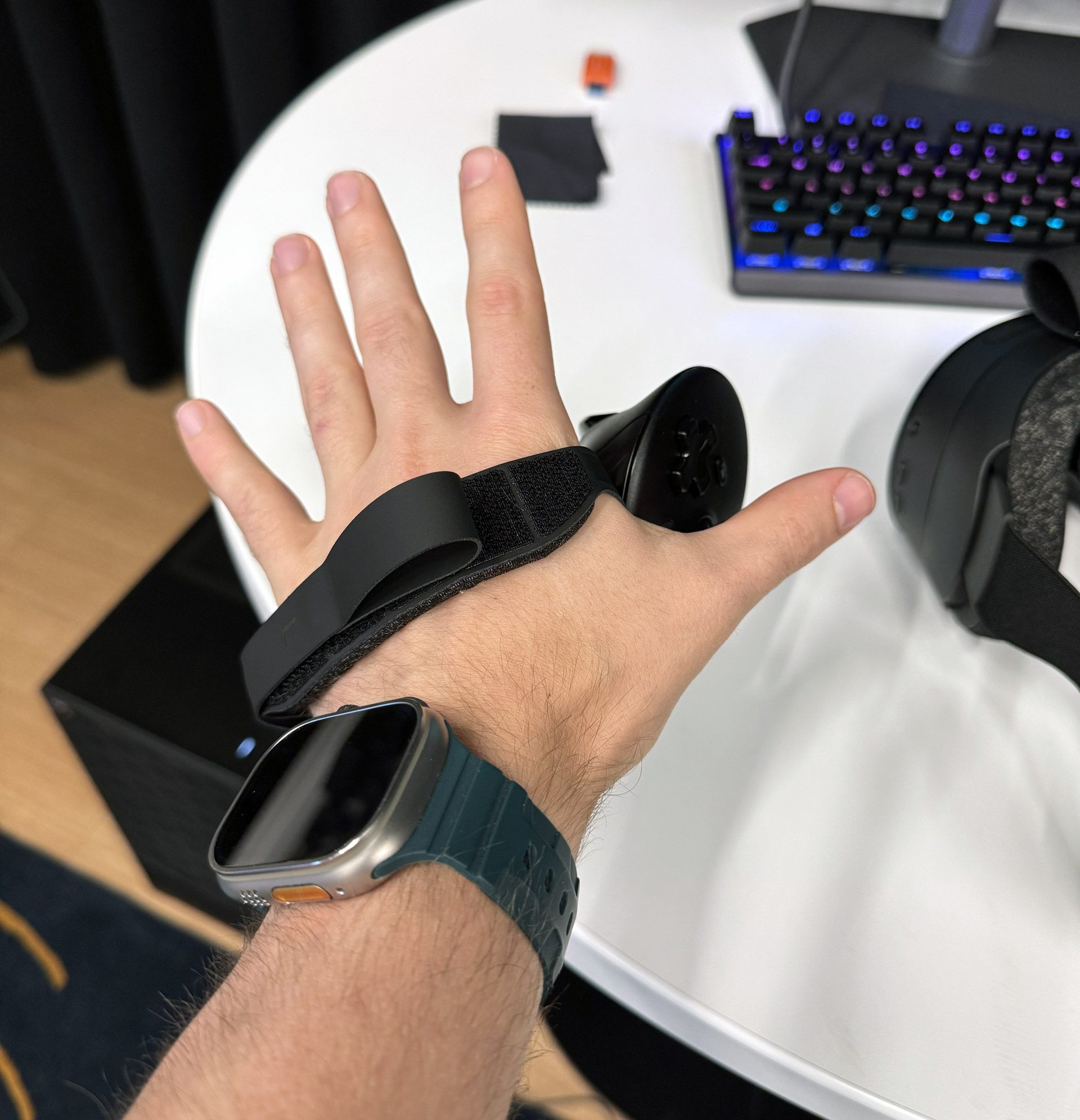
The ergonomic kit will also include straps for the controllers which can be tightened around the hand similar to the Index controllers. This allows the user to open their hand fully without dropping the controller.
Photo by Road to VR
Valve hasn’t announced the price for the Steam Frame ergonomic kit just yet, but we’re hoping it’ll land under $50 (considering it’s just some fabric, padding, and velcro) in the box.
While I wish the top strap was included with the headset right out of the box, it’s at least we know there will be a straightforward, official option to add it.
Modularity for Ergonomic Overhauls
And if a top strap still doesn’t cut it, you can strip Steam Frame down to its ‘core module’ and replace literally everything else (the strap, speakers, facepad, and battery). A few sliding latches are what connect the core module to the default facepad and strap.
Steam Frame’s core module | Photo by Road to VR
Valve itself hasn’t committed to offering any complete headstrap replacements, but the company says it plans to release detailed models and schematics for Steam Frame to help developers and modders build their own.