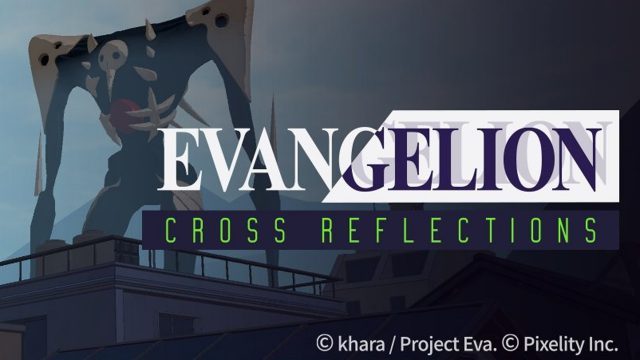
Indie studio Pixelity confirmed that its previously announced VR game based on the hit ’90s anime Neon Genesis Evangelion (1995) is still coming, as the studio just showed off its first teaser image.
While series protagonist Shinji Ikari never actually signed a waver to join NERV in the anime—he was all but forced into the pilot’s chair in the first episode as Tokyo-3 was under attack—the image above seems to suggest a much more tranquil recruitment into Gendo Ikari’s mysterious defense organization.
Pixelity says Cross Reflections will be a three-part experience based on the story of all 26 episodes of the original anime, with the first instalment expected to arrive in 2026.
There’s no release date or list of confirmed target platforms yet, although a few lucky attendees at Evangelion’s upcoming 30th anniversary event in Japan will get a first hands-on with a demo.
The event is set to take place in Tokyo from February 21ss – 23rd. To find out how to buy tickets and sign up for a chance to demo the game, click here.
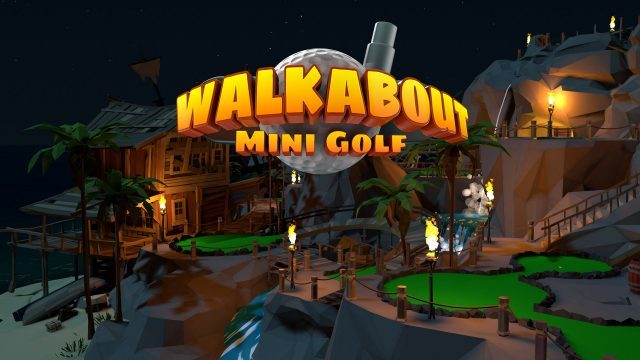
Mighty Coconut, the indie studio behind Walkabout Mini Golf (2020), announced it’s reduced headcount by 25% n addition to raising future DLC prices to offset costs.
Might Coconut founder Lucas Martell published a blogpost explaining some of the difficulties the studio is facing amid the backdrop of an admittedly “challenging” VR game development landscape.
After staff reductions, which has affected a quarter of the studio, Martell says the remaining team at Mighty Coconut is now 27—something he says will let the studio “continue expanding the game for the foreseeable future.”
Walkabout Mini Golf fans have come to expect a steady stream of new course DLC, which thankfully isn’t set to change. Martell says that instead of the typical seven annual courses, the studio is set to deliver an expected six.
What is changing though—starting with the next release—is that DLC prices will raised by $1, bringing new courses from $4 to the new price of $5.
“We feel that’s the most direct way to support development as DLCs have grown in complexity. All previously released courses will stay at their current prices,” Martell says.
The studio is also focusing more on the VR version—available on Quest, SteamVR, PSVR 2, and Pico—and less on the ‘Pocket Edition’ for iOS.
“While we want to support as many platforms and ways to play as possible, keeping a completely unique mobile version of the game in lockstep with the VR platforms is a monumental task that slows down production much more than we had anticipated,” Martell explains. “We’d like to keep crossplay between VR and mobile functional for as long as we can, but we will also be sunsetting that at some point. We will be sure to announce that in advance once we do.”
Additionally, Mighty Coconut is scaling back development of additional activities, like Employee Mode, Chess and Slingshots.
“We know how popular these are and hope to return to them soon, but they require a fair bit of energy that needs to be focused elsewhere at the moment,” Martell says.
Mighty Coconut isn’t the only studio feeling the pressure. The wider industry recently saw a number of VR studio closures, reductions, and cancelled projects.
Fellow XR indie Cloudhead Games (Pistol Whip) also recently experienced layoffs affecting 70% of staff, while Meta’s XR Reality Labs division saw a reported 10 percent staff layoff. This includes the closure of Sanzaru Games (Asgard’s Wrath), Armature Studio (Resident Evil 4 VR port) and Twisted Pixel (Deadpool VR).
Additionally, budget cuts reportedly also saw the cancellation of a Harry Potter VR game for Quest, which was supposedly being developed by Skydance Games. Due to the Sanzaru closure, a Batman: Arkham Shadows sequel was also consequently cancelled.
Meta CTO Andrew Bosworth offered the first bit of insight into the company’s recent Reality Labs shakeup, publicly acknowledging that Meta’s metaverse efforts suffered from a “lack of focus” that ultimately hurt the user experience on Quest.
Speaking at Axios House in Davos, Switzerland alongside the World Economic Forum last week, Bosworth discussed several issues that led Meta to refocus its metaverse and VR strategy—something that also included layoffs affecting 10 percent of its Reality Labs XR team.
Meta is refocusing its approach, and doubling down on AI and smart glasses while narrowing and reorganizing its VR and metaverse efforts. Bosworth, who is also head of Reality Labs, frames the pivot as a three-point problem: poor communication around the metaverse vision, high development costs, and an over-integration of Horizon Worlds with Meta’s VR strategy.
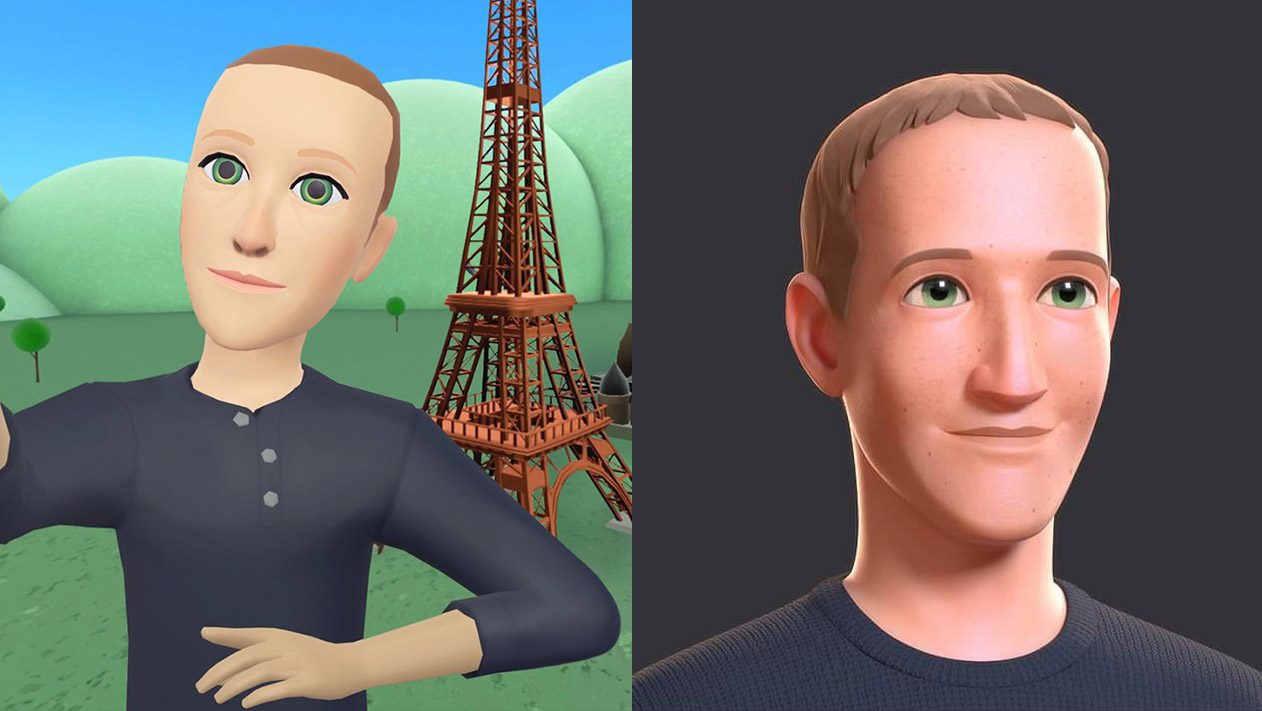
Horizon World teases (2022) | Based on images courtesy Mark Zuckerberg
Horizon Worlds wasn’t the company’s first social VR platform, although it did represent the first real concerted effort to bring to Quest users a ‘default’ shared VR space when it was initially released in 2021. Bosworth notes that Meta’s metaverse ambitions were to build a “rich version” of the mental “transportation” people already experience when socializing through smartphones.
“We still plan on doing that,” Bosworth told Axios’ Ina Fried, referring to Horizon Worlds. “But it’s like any investment. You’re going to look at how you do over the course of years and you’re going to reinvest in some areas and trim your losses in others. For us, we’re seeing tremendous growth of the our metaverse on mobile.”
Image courtesy Meta
While the launch across Android and iOS mobile devices in 2023 pushed Horizon Worlds reach beyond Quest for the first time, it eventually led to higher costs and a more difficult development process.
“Having to build everything twice—once for mobile and once for VR—is a tremendous tax on the team. You’d rather grow a giant audience and then work from a position of strength.”
A second issue was Meta’s decision to tightly bind Horizon Worlds to the Quest platform—something Bosworth admits wasn’t for everyone.
“When you put the headset on, you’re immediately in this kind of co-present accessible space. That is a real challenging piece of work to land from a standpoint of there’s lots of people who put this headset on for lots of different reasons. You want to support all those different use cases, [but] the lack of focus comes at an expense of user experience and a great expense in terms of development cost.”
Bosworth says that while the company now has “two much more focused bets,” those essentially come down to supporting third-party VR content and Horizon Worlds on mobile.
“To do this, of course, it’s tragic anytime your plans change and there’s a human cost; we found a bunch of roles that we just didn’t need anymore,” Bosworth said, referring to layoffs. “So, we did end up downsizing the effort on the metaverse specifically. Though on net, Reality Labs isn’t downsizing. We’re taking basically taking all of those [positions] and taking the investment on wearables, which is growing so rapidly for us.”
Notably, Reality Labs’ operating costs have consistently exceeded $4 billion per quarter since late 2021. Q4 is the XR division’s most performant in terms of revenue, however Reality Labs typically only generates a max of around $1 billion, with Q1-Q3 bringing in significantly less. We’re sure to learn more about Q4 2025 when the company reports its after market close on Wednesday, January 28th.
You can watch the full interview below. Thanks go to Reddit user ‘gogodboss’ for pointing us to the news.
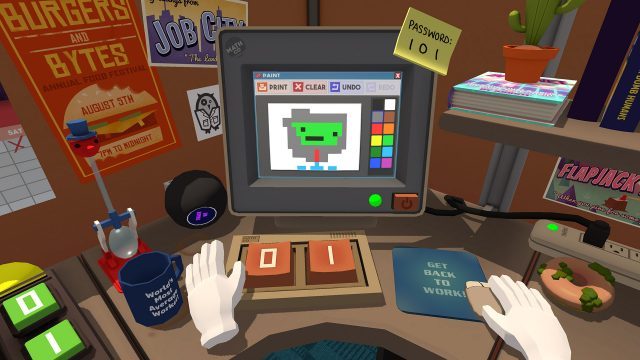
Google-owned XR studio Owlchemy Labs announced that its breakout VR hit Job Simulator (2016) has now surpassed six million installs.
Job Simulator has been one of the most successful VR games over the past decade, having not found firm footing as a launch title for the original HTC Vive, PSVR, and Oculus Touch back in 2016, but also for having pioneered many of the fundamentals VR developers rely on today.
In short, the madcap simulator parody was one of the first to really nail VR object interaction while serving up immersive room-scale gameplay.
And while you’d expect a bulk of those 6 million installs to come from its earliest days as a regular chart topper, it wasn’t until early 2020 that Job Simulator officially went platinum, selling over 1 million copies.
By then, Job Simulator had already found its next wave of success on Quest, later coming to PSVR 2 and Apple Vision Pro in 2023 and 2024 respectively.
Notably, the number of installs probably doesn’t directly reflect units sold—decidedly a more direct measure of its success with consumers—although it may not be that far off.
In 2016, Job Simulator came free with HTC Vive for a limited time, which may count towards installs and not sales as such. It was also included in Meta’s Horizon Plus subscription games service in March 2025, which lets Quest users download select titles and keep them as long as they’re subscribers. That’s another place the studios might feel more confident counting install numbers and not sales.
Another place is VR arcades. In 2024, leading software distributor SpringboardVR said Job Simulatorwas their top-performing game thanks to its popularity with kids and VR first-timers. And those arcades weren’t buying Job Simulator—SpringboardVR is a games subscription service with an enterprise-focused licensing structure.
In addition to the news, Owlchemy Labs announced its free-to-play multiplayer Quest game Dimensional Double Shift crossed the one million download mark just over a year after its open beta launch, with the studio noting that the Job Sim-style social game recently became its fastest-growing title, with players logging 2.5 million total hours since its open beta launch in September 2024.
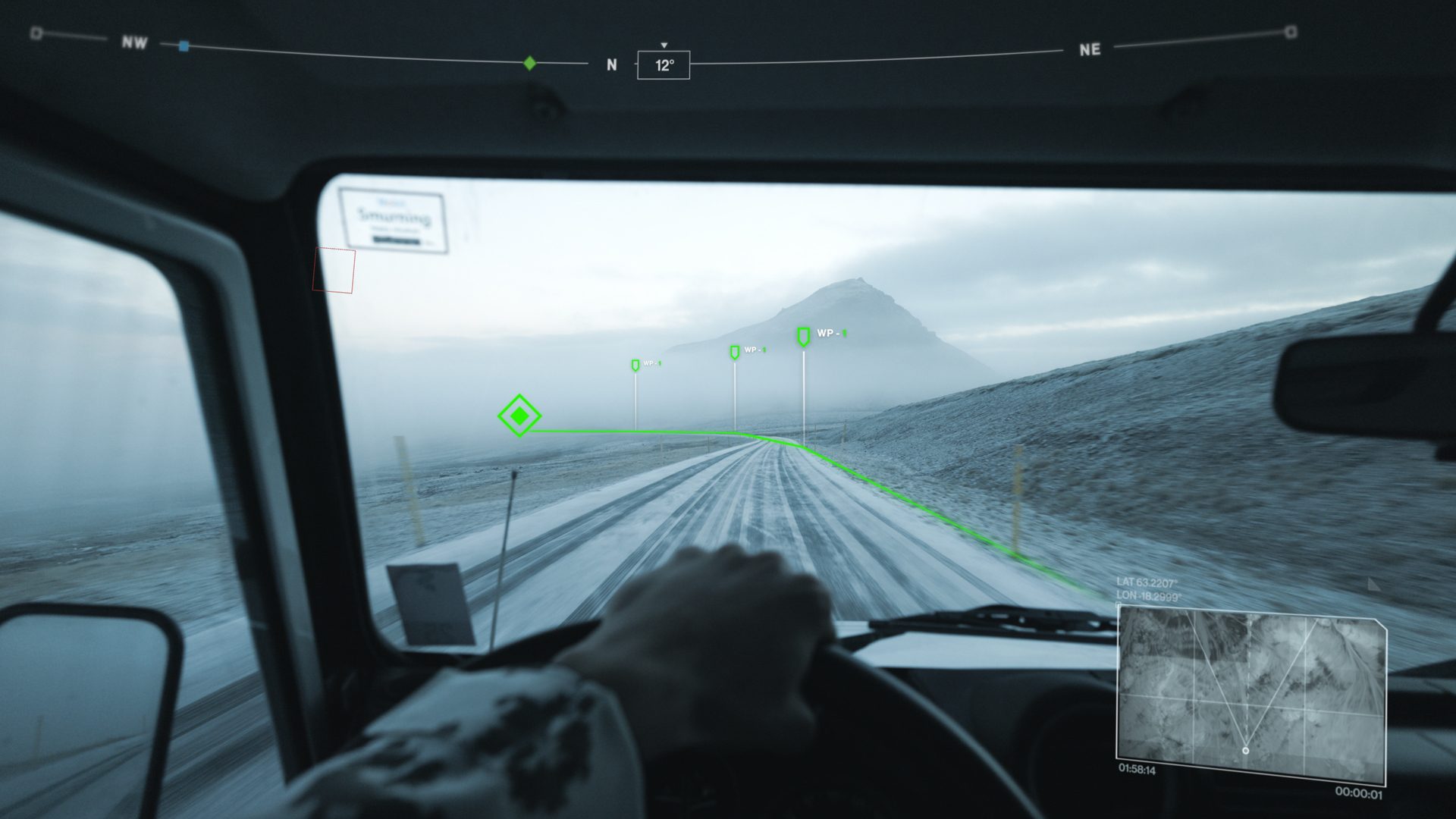
Distance Technologies has unveiled the Field Operator HUD (FOH), an AI-enhanced AR system designed for military vehicles ranging from light utility platforms to main battle tanks.
FOH is said to combine Distance’s own optics with AI-assisted data processing, which the company says improves situational awareness, survivability, and visual workload management in land combat environments.
Having undergone field trials with UK and Finnish forces, FOH integrates command-and-control functions with its AR optics by fusing multiple sensor inputs—ostensibly similar to Anduril’s EagleEye project, revealed in October 2025.
Image courtesy Distance Technologies
Distance says FOH is designed to present only the most critical information by using AI-driven sensor fusion, automated detection, and by integrating everything from thermal and night vision to data sourced from a wide range of vehicle-mounted sensors—something the company hopes will translate into more effective decision-making both in and outside of military vehicles.
The precise specs of the company’s various FOH configurations are predictably under wraps though, which are said to include models for on-the-ground soldiers, pilots, and various types of ground vehicle operators.
Image courtesy Distance Technologies
On the company website however, Distance says FOH includes technology that “creates an independent lightfield for each eye, allowing us to control the perceived distance of the content on a per-pixel level. This makes it possible to match virtual elements 1-to-1 with reality for a completely natural XR experience.”
It’s also said to allow for visualizations that “appear on top of reality across the entire field of view, perfectly matching the observable world people see and experience around them.”
FOH is expected to be available for NATO and allied field trials by the end of Q1 2026, with broader deployment planned from 2027 through defense prime contractors.
Founded in 2024 the Helsinki, Finland-based company is involved in building what it calls “the first true glasses-free XR solution.” It was founded by a host of XR veterans, including a cadre of alums from fellow Finnish XR startup Varjo, including Urho Konttori, Jussi Mäkinen, Mikko Strandborg, Thomas M. Carlsson, and Petteri Timonen.
While a flurry of VR studio cuts and closures in the last 12 months has painted a picture of a deeply struggling landscape for VR developers, modern Quest success stories have largely flown under the radar. The free-to-play title UG, for instance, has exploded in both popularity and earnings, matching top titles like Gorilla Tag and Beat Saber in mere months. In an interview with Road to VR, the creators of UG have shared a rare look inside the success of Quest’s latest hit.
By the Numbers
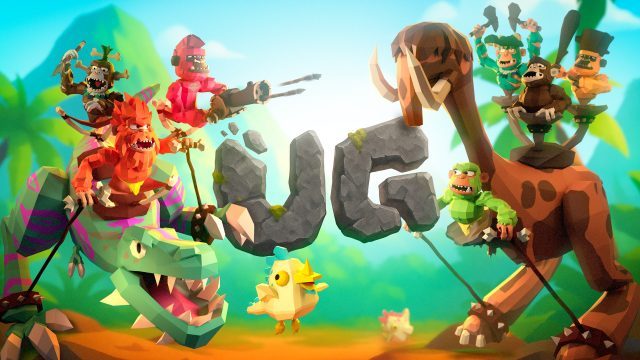
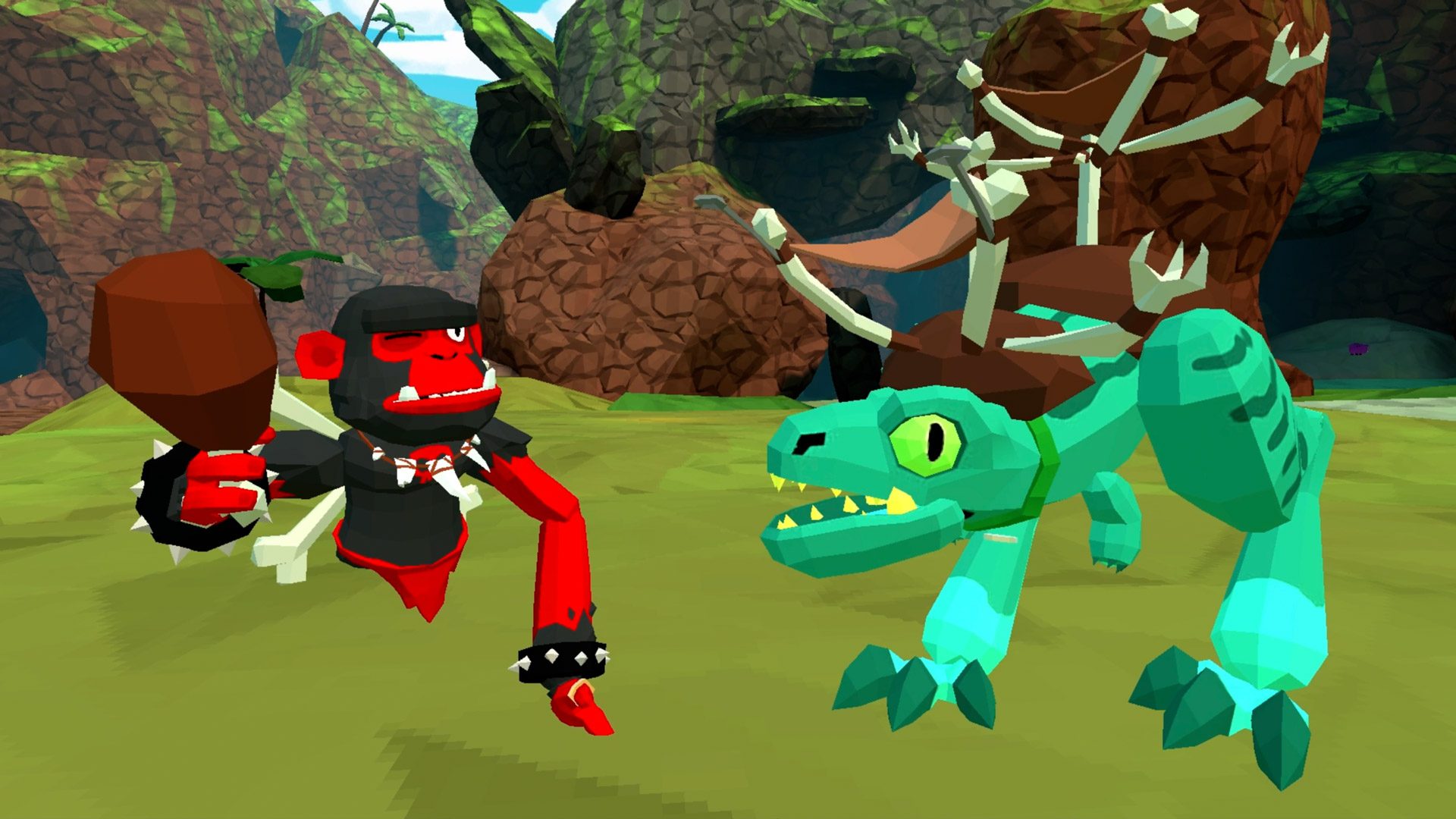
Released on Quest less than six months ago, UG has quickly become one of the platform’s most popular, best-rated, and top-earning titles. The game shares broad similarities to the likes of modern VR games like Gorilla Tag (ie: free-to-play, social multiplayer, arm-based locomotion), but revolves around hatching, raising, riding, trading, and adventuring on virtual dinosaur pets.
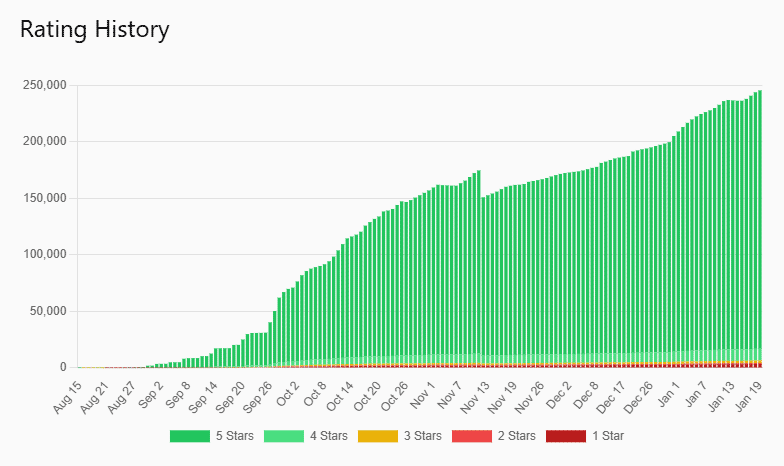
The formula has been a hit with the Quest audience, blasting off to become the most-rated title on the Horizon store with 245,000 reviews. That not only puts it above contemporaries like Animal Company (180,000 reviews) and Gorilla Tag (167,000 reviews), but it’s also the best-rated of the three. UG has managed to maintain a 4.9 out of 5 star user rating, which is unheard of for a Quest game with so many reviews.
The number of UG reviews has rapidly surpassed every other title on the Horizon store | Data courtesy VRDB
In an interview with Road to VR, the creators of UG offered unique insight into the success of the game, revealing it has already reached 1.2 million unique users, averaging more than 100,000 daily active users, and a peak of 40,000 concurrent users.
“[UG‘s] retention and playtime have honestly exceeded anything we expected,” says Michael Murdock, lead game designer of UG and co-owner of the studio, Continuum. “The average player has now spent over 14 hours in UG, and that number keeps climbing as players keep coming back. Daily average playtime is usually close to an hour and has approached two hours at times.”
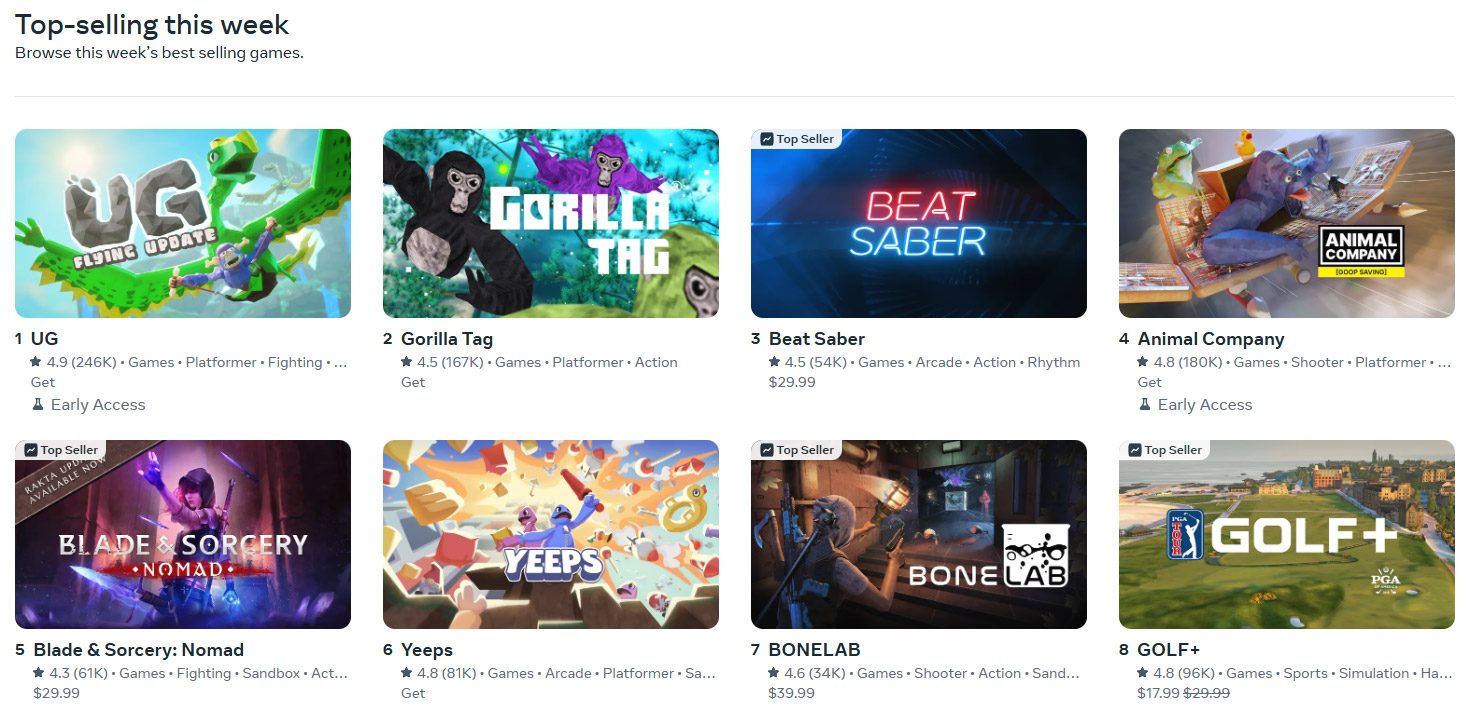
Now on the market for five years, Gorilla Tag certainly still leads the way in total revenue. But in terms of weekly revenue, UG is holding its own against Gorilla Tag. According to Meta’s “top-selling” chart, UG has been consistently among the top performers, including frequently stealing the top spot from Gorilla Tag. Murdock says the game has occupied the #1 spot “about 95% of the time” since UG’s launch.
UG’s success is more than a fluke. The studio behind the game, Contiuum, also built the Quest title Monkey Doo—another free-to-play multiplayer game—which, at 11,000 reviews, has been a relative success in its own right. But UG has reached another level entirely; not just in player counts, but revenue too.
“We are seeing an average revenue per-user (ARPU) of over $14,” says Murdock. “That is nearly 20 times what we’ve experienced in our other free-to-play titles [like Monkey Doo].”
The Past, Present, and Future of UG
Murdock walked me through the backstory of the game’s development, which starts with the formation of the Utah-based studio, Continuum, back in 2020.
“We started as a VR/AR agency making immersive experiences primarily for marketing and education. Over time, as we refined our skills and our team, it became clear that what we really wanted to build was VR games,” he says. “Before UG, we worked on the single-player version of Sail with Red Team Interactive in 2021. Internally, we also built Monkey Doo, followed by Cactus Jam, and we helped develop Prompt Party. Each of those taught us a lot about what works, and what doesn’t, in VR. Up until UG, we were still splitting our time between game development and agency work. Finally, we made the decision to stop splitting our attention and go all in on our VR studio.”
Development on UG started in October 2024, Murdock says. After validating the concept, the studio found funding.
“We took a six-figure sum from a strategic partner. In exchange, we agreed to a scaling revenue share from game sales. We did not give away any studio shares or IP ownership.”
Interestingly, the funding came from Trass Games, the studio behind yet another modern Quest success, Yeeps (2024). In many ways, Yeeps and UG are competitors in the VR market, but Murdock says the partnership has been nothing but positive for both studios.
“[Our funding partner] Trass Games (and we) don’t have a scarcity mindset when it comes to VR. Trass wanted to continue to make Yeeps their #1 priority while contributing in a meaningful way to another VR title,” he explained. “The collaboration continues, we meet weekly with them to talk ongoing strategy and updates. The success has seemed to be an absolute win-win and Yeeps is still going quite strong without much seeming cannibalism of the market.”
After receiving funding, the team developed the game for about eight months before launching an early access version in August 2025.
Image courtesy Continuum
The ‘dino farming’ aspect of UG is what makes it stand out the most from similar free-to-play Quest games. The idea, Murdock says, came from a wide range of inspirations spanning from his youth to the modern gaming landscape.
Growing up, I loved the movie Jurassic Park (1993). I can still remember being seven years old, and seeing it for the first time, sitting in the front row of a sold-out theater in Tucson, Arizona. That movie has been an inspiration. Plus I obsessively played Pokémon growing up. The idea of capturing, collecting, and riding dinosaurs naturally evolved into UG.
Games like Gorilla Tag, Yeeps, Animal Company, and Pokémon were all influences. Once I knew the general direction we were going I played an embarrassing amount of Adopt Me (in Roblox) to better understand their model for raising and trading pets. We didn’t try to reinvent anything that we didn’t have to, but instead we focused on putting our own spin on ideas that were already proven.
UG is still in early access and undergoing rapid development. The studio just launched a major update which added flying dinosaurs and a new flying boss for players to battle. And there’s much more on the roadmap, says Murdock.
“Coming up, we have dino training systems, swimming dinosaurs, PvP arenas, and of course a ton of new dinos. [The game world] was designed as a live-service world, so evolving the map and expanding the game over time is a big part of the plan.”
The full 1.0 launch of UG is expected in the second half of this year. To get there, the studio hopes to deliver “a more balanced and polished version of the game, with better quality-of-life features, a stronger release rhythm, and a deeper roster of dinosaurs,” says Murdock. “Building so fast with a small team meant launching with imperfections, but early access has helped us focus on what actually matters to players. We have worked closely with our community to refine and perfect our game little by little with every weekly update.”
The success of UG and its contemporaries is the clearest evidence of what Meta was formally communicating to developers at least as far back as early 2025: the majority Quest demographic has shifted younger, with more interest in free-to-play, social, and multiplayer content than the premium single-player VR games that once defined the medium.
AR glasses maker XREAL is taking its competitor VITURE to court over a patent dispute, claiming that it’s selling and/or importing units into the US that infringe on its intellectual property. Viture claims however that Xreal is using the suit as a weapon to unfairly compete in the market rather than as a legitimate defense of innovation.
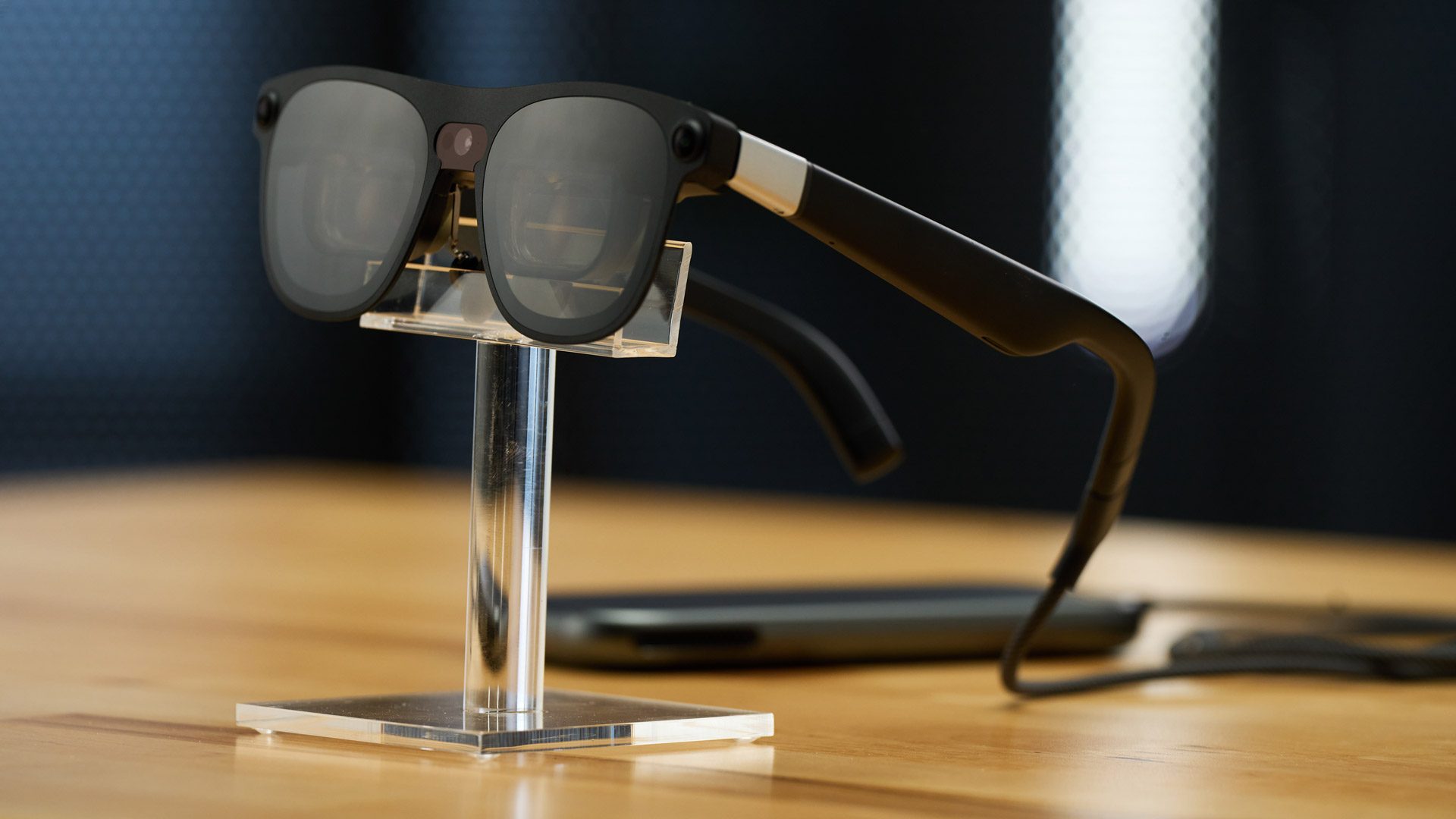
Xreal claims that Viture unlawfully makes, sells, and imports AR glasses that infringe its US patent, which covers a specific birdbath-style optical system. Notably, birdbath-style optics a generally cheaper and more easily produced than waveguides, like those seen in Meta’s 2024 Orion AR prototype.
VITURE Luma | Image courtesy VITURE
In a recent Reddit post, Viture has publicly disavowed Xreal’s narrative, arguing that Xreal is essentially acting as a patent troll.
“We deeply respect intellectual property,” Viture says. “IP exists to protect genuine innovation and to move an industry forward, not to be weaponized to create fear, confusion, or artificial barriers. Unfortunately, what we are seeing today does not reflect that principle.”
Continuing: “From our perspective, this bears striking resemblance to a patent-troll-style action that targeted XREAL last year, and now mirrors the same tactics being used against us.”
Technically, Viture argues that Xreal’s patent in question (US 11,988,839 B2) covers birdbath optical technology that is long-established and largely covered by expired prior art.
Viture claims that similar patents have already been rejected in China, that its products do not infringe, and that Xreal’s patent adds only minor, appearance-level changes rather than true optical innovation. Furthermore, Viture characterizes the patent as low-value and easily invalidated.
XREAL Aura | Image courtesy Google
A major point of contention is what Viture calls “deliberate misinformation,” specifically Xreal’s claims that its products are “banned across nine European countries.”
Viture maintains this as false: only the Viture Pro in Germany was affected by a preliminary injunction (as outlined by Android Authority), the product was already sold out, and all other products remain legally sold across Europe.
The company has appealed the injunction and filed a formal challenge to the patent’s validity, and says it has initiated legal action over what it calls “the deliberate circulation of false claims.”
Granted, it may be some time before we hear more about this case, as it’s just been filed in the Eastern District of Texas, and is still in early procedural stages. There is not public trial date at the time of this writing.
Luke Ross, the prolific VR modder, has been forced to remove his popular Cyberpunk 2077 VR mod, citing legal concerns from CD PROJEKT.
The News
Ross released word via his Patreon on Saturday that Cyberpunk 2077 developer CD Projekt had issued a DMCA takedown notice for the removal of the game’s unofficial VR mod—just one of many ‘REAL VR’ mods from Ross, which include Hogwarts Legacy, Marvel’s Spider-Man Remastered, Elden Ring, and Final Fantasy VII Remake.
And it seems to boil down to Ross having placed the VR mod behind a Patreon paywall—essentially selling access to it, CD Projekt maintains.
“At least they were a little more open about it, and I could get a reply both from their legal department and from the VP of business development,” Ross says, comparing proceedings to a similar takedown by Take Two Interactive. “But in the end it amounted to the same iron-clad corpo logic: every little action that a company takes is in the name of money, but everything that modders do must be absolutely for free,” Ross says.
CD Projekt states in its ‘Fan Guidelines’ however that content created by the community should have “[n]o commercial usage,” making it fairly clear where Ross ran afoul.
“We’d love for your fan content to be created by fans, for fans. Therefore, you cannot do anything with our games for any commercial purpose, unless explicitly permitted otherwise below (e.g. see section 3 about videos and streams). We’re happy for you to accept reasonable donations in connection with your fan content, but you’re not allowed to make people pay for it or have it behind any sort of paywall (e.g. don’t make content only available to paid subscribers).”
Still, there may be a way for CD Projekt to release an official VR version. Flat2VR Studios, the studio behind VR ports such as Trombone Champ, Half-Life 2 VR and Surviving Mars: Pioneer, has propositioned CR Project for its own officially sanctioned version.
Hey @CDPROJEKTRED — we’d love to explore the idea of a proper, official VR port of Cyberpunk 2077 if you were ever interested. It’s one of our “dream games to port”
Our @Flat2VRStudios has shipped multiple award-winning VR adaptations, focused on reimagining games to feel…
Check out Cas & Chary’s hands-on with the mod below:
My Take
It’s not a cautionary tale just yet, but it takes just one overzealous publisher to really ruin a VR modder hoping to monetize. While it doesn’t seem to be Luke Ross’ case with either Take Two or CD Project, the possibility of invoking the wrath of a corporate legal department is a real risk, which could include more than just a DMCA takedown.
Depending on how litigious a company is, they could go as far as prying into a modder’s revenue to see how much money they made off the mod’s release, and demanding statutory damages as a result. Although the mod has been up since 2022, Ross seems to have complied with takedown notice quickly, which has probably kept him safe from facing those sorts of actions.
That said, I have my doubts we’ll ever see an official VR version. I love the idea of Flat2VR Studios giving Cyberpunk 2077 the VR treatment, but it does have the potential to cause community backlash.
If it’s a VR port, some users may ask: “why would I buy a VR version of the game I already own?” Or, provided VR support becomes a paid add-on to the game: “why would I buy VR support that I already paid for?” Either way, its not a good look for a company to so clearly money grub.
As it is, I think the ship has sailed on Ross making the Cyberpunk 2077 VR mod free, which means either Flat2VR picks it up, or a third party creates their own free VR mod. We’ll just have to wait and see.
The launch of Android XR, a newly announced headset from Valve, and major strategic shifts at Meta, are just the start of what made 2025 a significant year for the XR industry at large. 2026 will mark the 15th year that we’ve been following this XR journey here at Road to VR. With the context that comes with that long-term perspective, it’s once again time to reflect on the biggest stories of the last year and to talk about what’s on the horizon.
Meta Makes Aggressive Cuts as It Shifts XR Strategy
“This year likely determines whether this entire [XR] effort will go down as the work of visionaries or a legendary misadventure,” Bosworth wrote.
Well, by early 2026 it’s looking like “legendary misadventure” takes the cake.
Apparently not seeing the growth and traction it wanted, Meta is making an aggressive shift in its XR strategy. The last few days have seen reports of multiple first-party VR studios being cut down to size or outright shuttered. The company’s business-focused virtual collaboration space, Horizon Workrooms, is being shut down, and more. In total, the company is said to be cutting roughly 10% of its entire Reality Labs division as it shifts focus away from VR and “metaverse” efforts.
What it Means for 2026
It’s going to take a while for the dust to settle on this, and it probably won’t be until Q2 that the company shares a clear vision for what it hopes to accomplish with the cuts and new direction.
From what I’m seeing and hearing, it sounds like Meta isn’t exiting the XR space, but it’s shifting focus more strongly toward the glasses end of the spectrum, while doing away with the notion that building a “metaverse” (a digital space where people would gather, play, and work) is a strategic imperative.
Rather, it looks like Meta will continue to run its XR headset platform and let it evolve naturally rather than trying to place big content bets or force the metaverse into existence. Meanwhile, the company is said to be focused on boosting production of its smart glasses to serve growing demand.
Although that likely means a greater focus on smart glasses and AI assistants for the time being, it’s clear that the company’s end-goal is (and has been) to evolve its smart glasses into full-blown augmented reality glasses over time. In fact, Meta showed an early vision of this end goal back in 2024 with the Orion prototype. The 2025 release of the Ray-Ban Display glasses, and the ‘neural band’, was a clear step toward that goal.
Ray-Ban Display is still just a pair of smart glasses (ie: a small field-of-view and a static display with no tracking). But already the company that makes the waveguide in Meta’s glasses says it has a much larger 70° field-of-view waveguide that’s ready for production.
For many years I’ve explained that the industry has been working on the challenge of compact and affordable XR devices from two sides. On one hand, the industry has started by packing a wishlist of features into a bulky headset, and then trying to make it smaller. On the other hand, the industry is starting a tiny glasses-like package, and then trying to add back all the features enjoyed by the bulkier headsets.
Meta has mostly focused on the former (headsets), but it’s now shifting focus to the latter (glasses). The end goal, however, remains the same: an affordable and comfortable device that can digitally alter the world around you.
This big shift isn’t just a big deal for Meta, it’s a big deal for the whole industry. Meta has been dominant in the space for years, thanks in a big part to being able to out-price the competition and attract developers, thus building the leading standalone headset platform. With its standing in the industry, Meta has been able to direct much of what has happened within the industry, either explicitly or implicitly.
If Meta is pulling back on its VR and metaverse initiatives, the door may open for another company to take over its influential role. Or, the space might settle into a new equilibrium with a renewed competitive landscape, which has long been suffocated by Meta.
All we can say for certain is that 2026 will be a year of major realignment as the industry figures out how hands-on Meta plans to be with its VR platform going forward.
The Biggest Year in Recent History for XR Hardware
Photo by Road to VR
2025 turned out to be a huge year for XR hardware launches and announcements.
Google finally revealed and launched Android XR, a direct competitor to Apple’s VisionOS. Samsung launched the first Android XR headset, Galaxy XR, a direct competitor to Apple’s Vision Pro.
Meanwhile, Valve is taking a whole new approach to its VR architecture. Frame is a fully standalone headset—a first for Valve—and the company has designed it to be a better companion to people’s existing Steam library, by allowing it to play pretty much any Steam game (VR or otherwise) either locally or streamed from a nearby PC.
While Valve is giving PC VR some much needed love, I’m still not convinced that Frame is going to revolutionize the space. Although it has some neat extras (like improved wireless game streaming thanks to eye-tracked optimizations), it doesn’t really do that much more than a Quest 3 or Quest 3S, which will inevitably be the cheaper options. As with its prior headset, Frame will probably remain limited to an enthusiastic niche of hardcore PC VR players. But ultimately, Frame shows that Valve never stopped caring about VR and that the company is still focused on making Steam an open VR platform on PC that will be maintained for years to come.
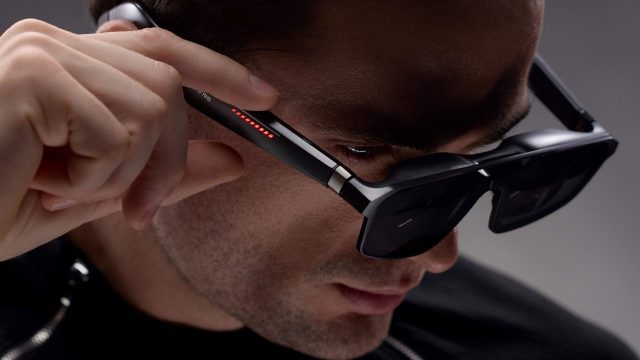
Meta has been hard at work prototyping full-blown AR glasses, but it hasn’t actually launched such a product yet. Meanwhile, Xreal and Viture have been rapidly evolving their smart glasses with growing AR capabilities, seemingly catching companies like Meta by surprise. The pair of $100 million investments into Xreal and Viture (and especially Xreal’s close partnership with Google) will put pressure on Meta to release its AR glasses sooner rather than later.
Valve Reveals a New Headset, But Confirms No New First-party VR Game to Go With it
Image courtesy Valve
Given that Valve launched Half-Life: Alyx back in 2020 to show what was possible with its first VR headset, there was widespread speculation that the company would similarly announce a new VR game to launch alongside Steam Frame. But as the company told me directly, there is no new first-party VR game in development.
What it Means for 2026
The lack of a flagship launch title to go out the door with Steam Frame has left many scratching their heads. New headsets are exciting, but given the dearth of exciting PC VR content in the last few years, what are people actually going to play… more Beat Saber?
I’m glad Valve is still in on VR, but I’m not exactly bullish on Frame. Luckily the PC VR landscape has never had more options to serve various hardcore PC VR niches, thanks to companies like Pimax, Bigscreen, and Shiftall—and hey, even Sony technically makes a PC VR headset!
A Shifting VR Player Demographic Comes to a Head as Veteran VR Studios Struggle to Stay Afloat
Created using images courtesy Meta
2025 was a brutal year for established VR studios. Highly immersive single-player apps were once the bread and butter of VR gaming. But VR was not insulated from the broader gaming industry shift toward free-to-play multiplayer games.
That shift seems to have reached a peak just as a wave of prior long-term bets on single-player VR content was coming to fruition in 2025. The result has been report after report of established VR studios struggling to stay afloat.
On the other hand, new studios focused on free-to-play multiplayer content have seen rapid growth and seemingly reached unprecedented new peaks of player counts and retention. Games like Gorilla Tag, Animal Company,Yeeps, and UG are dominating Quest’s Top Selling Charts by serving a younger demographic of players looking for free-to-play multiplayer experiences. Interestingly, all four of these newer top-earning titles are also built around arm-based locomotion.
What it Means for 2026
Whether we like it or not, free-to-play multiplayer is here to stay. Many of the most popular non-VR games are free-to-play multiplayer games, so it should be no surprise that the same formula would take over VR as well. The unfortunate part is that the transition happened so fast that by the time the latest wave of big budget single-player VR games landed, they were launched into a void of demand. With production times of some bigger VR games spanning 1-3 years, it’s difficult to course-correct.
Especially with Meta’s latest cluster of studio closures, the message is now unambiguous: premium single-player VR games are no longer what the bulk of active VR users are looking for. That’s not to say there’s no room for great single-player experiences in VR, but the demand for them isn’t what it used to be.
Of the veteran VR studios that have managed to weather the storm, I expect to see many of them take their first stab at free-to-play multiplayer VR games, or focus on ‘VR optional’ titles, or even leave VR for the time being while they seek greater stability in the larger gaming market.
Frankly, I think this situation has a bit less to do with the ‘free-to-play’ part, and more to do with the ‘multiplayer’ part. As with almost every entertainment activity in existence, most people like to play games with their friends. The rise of massively successful paid multiplayer games with structures that are reminiscent of traditional single-player games (ie: Destiny, Valheim, Helldivers, Arc Raiders) tells me that pure single-player games as a whole will one day become a thing of the past.
That’s not to say that we won’t see great, ‘single-player style’ games still made (like, say, Red Dead Redemption 3) but I bet you’ll at least have the option to play them with a friend or two.
These changes were all clearly meant to address first-generation pain points. Specifically, the improved headstrap was a major admission that the headset was too heavy and bulky. Unfortunately a better head strap can only do so much.
I don’t expect we’ll see any new XR hardware from Apple in 2026. But I do expect to see the company continue to make more of these first-generation fixes and to further improve the headset’s most promising use-cases on the software side. I’m still personally hoping for better window management.
While there’s been much reporting about Vision Pro as a ‘failed’ product, those that are actually connected to the XR industry understand that Vision Pro is a significant contribution to the state-of-the-art that’s really only held back by its current size and weight. I’m certain Apple knows this too.
My bet is that Apple is far from done with Vision Pro and VisionOS. It’s rare for the company to make a product play only to cancel it after one generation. More likely, I’m willing to bet that Apple has set new and specific goals for the size and weight of its next Vision headset, and will happily wait for years until it can actually meet those goals. In the meantime, it will continue to invest in VisionOS, which I’ve long said is a more important contribution to the industry than the headset hardware itself.
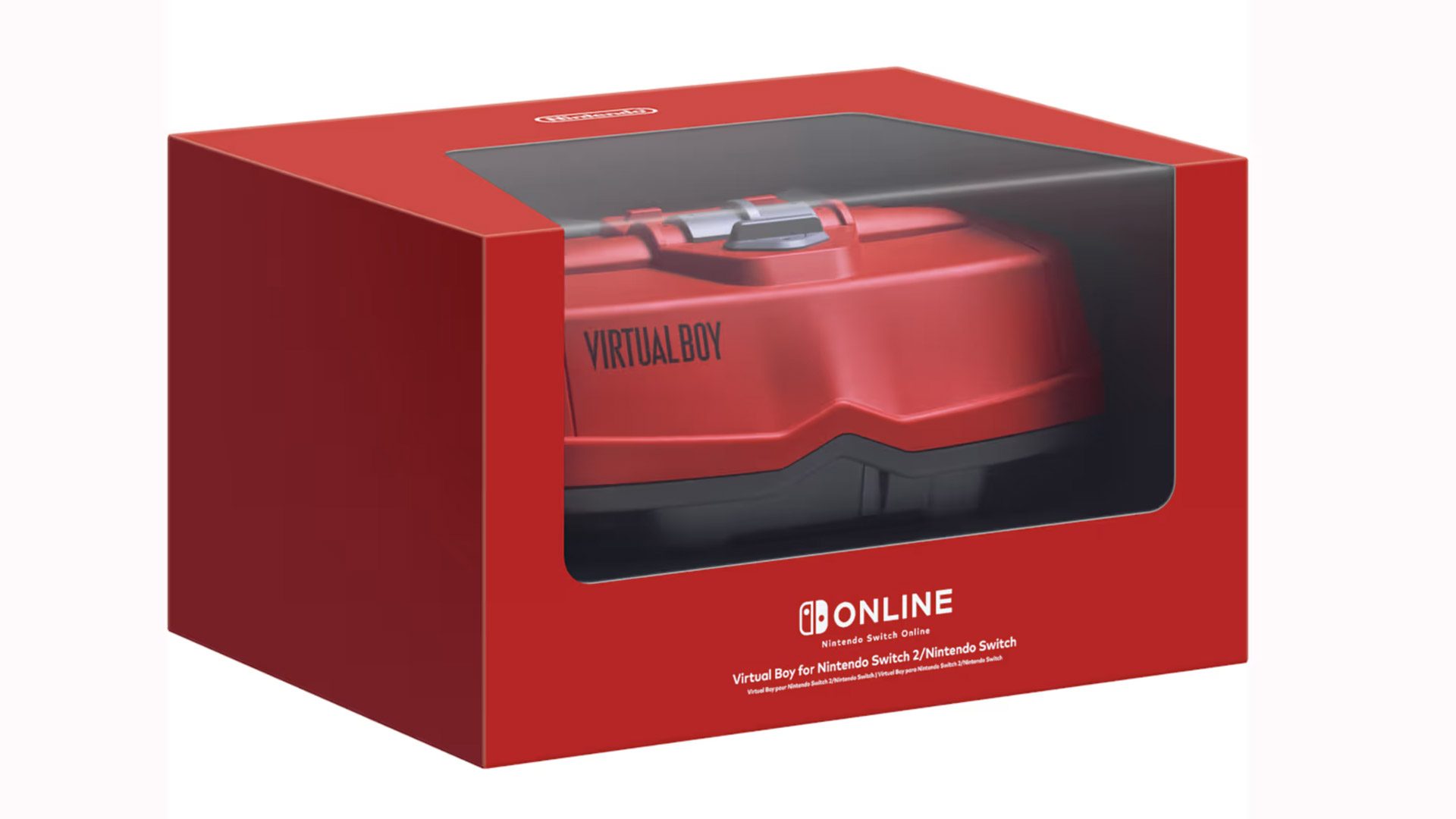
First released in 1995, the Virtual Boy was portrayed as a type of “virtual reality” experience, but considering its small field-of-view, lack of motion tracking, and single-color (red) display, it was functionally just a 3D display on a stand. Still, the console has been culturally associated with “virtual reality” ever since—and it’s not exactly a positive association.
Ambitious as it was, Virtual Boy was an infamous failure of a game console, owed largely to its minimal game catalog, single-color display, and reports of motion sickness while playing. It was discontinued less than a year after launch.
The upcoming $100 accessory will use Switch or Switch 2 as the brains (and display) of the device, and it will play original Virtual Boy games like Mario’s Tennis, Teleroboxer, and Galactic Pinball, with a planned total of 14 titles to be launched in time (that may not sound like many, but it’s more than 50% of the entire Virtual Boy game catalog).
Nintendo will also sell a $25 ‘cardboard’ version of the Virtual Boy accessory which will allow Switch to play the same games but without the stand and plastic facade to hold the console.
We still don’t know if the games are simply being emulated or if they have been retouched or remastered. I hope they’ll be at least updated to render at the native Switch or Switch 2 resolutions, rather than the tiny 0.086MP (384 × 224) per-eye resolution of the original Virtual Boy.
In my book, the biggest wild cards for 2026 are Snap and HTC.
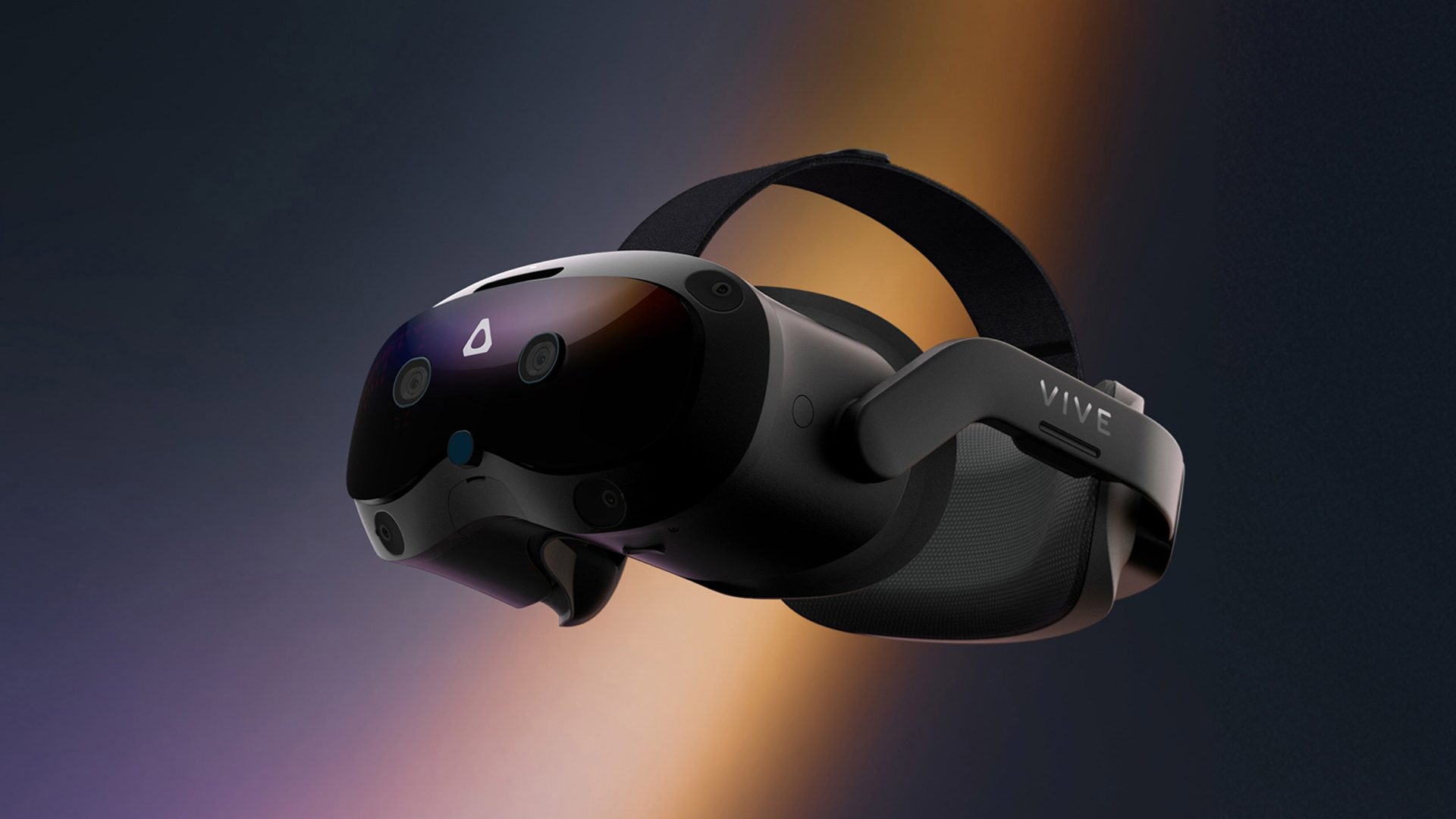
HTC was once a prominent player in the VR space, having built a long line of PC VR headsets that rivaled Meta’s Rift. But once Meta shifted focus to standalone, HTC wasn’t able to keep up. Sure, HTC released several standalone headsets, but none have come close to the consumer and developer traction of Meta’s Horizon.
Exactly where HTC heads next is unclear. Will it follow Meta’s lead again and shift its primary focus to smart glasses? Or could it swoop in and try to fill the vacuum left by Meta’s pullback from the VR and metaverse space?
The latter could be a significant opportunity for the company which, at very least, has the same core pieces already in place (standalone VR headsets, an app store, and a ‘metaverse’ platform). Not to mention strong traction in the B2B and LBE spaces, which Meta never quite got a handle on.
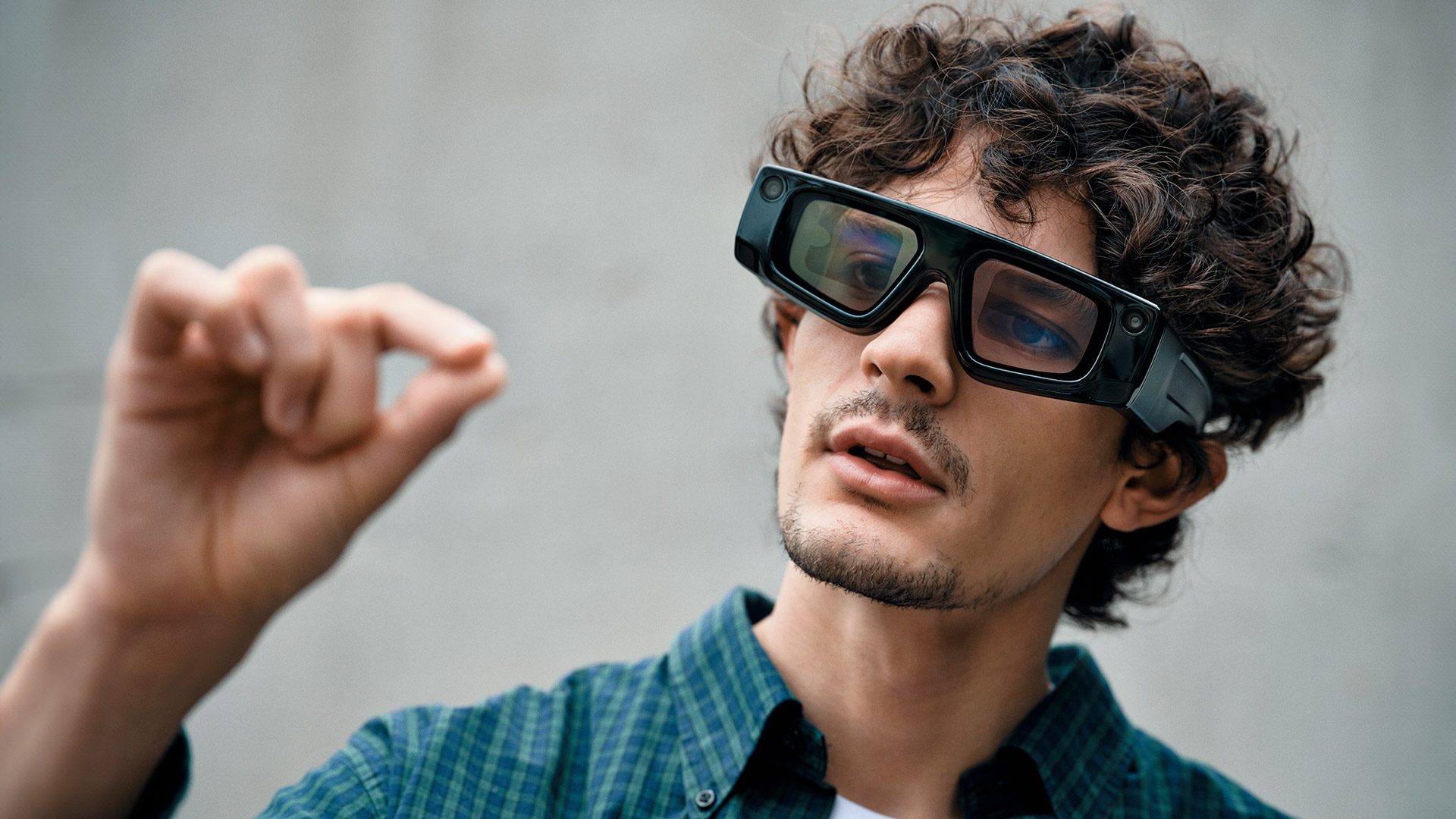
The company has launched two generations of its ‘Spectacles’ AR glasses, and the company has spent time focusing on developers and building out tooling based on feedback.
Snap plans to launch its first pair of consumer AR glasses this year, but it remains to be seen if it has any unique technological advantages compared to what’s already out there. Even if not, it’s possible that Snap’s social and fun-focused approach to AR glasses could be a winning play, especially if it can successfully draw its fleet of Snapchat AR developers over to its glasses. The company says that’s the plan, anyway, as it has been building tools that make it easier for developers to build Lenses that span both hand-held and head-worn AR.
– – — – –
As someone who has been reporting on this industry for nearly 15 years now, I truly mean it when I say I believe 2025 will be looked back upon as one of the most significant moments for the XR industry overall. The next five years are certain to see more change, competition, and innovation than the last five years.
What were your biggest XR stories of 2025 and what do you think is coming in 2026? Drop a line in the comments to let us know!
AR glasses maker XREAL has filed a patent infringement lawsuit in the United States against affiliates of VITURE, its direct competitor.
Filed in the District Court for the Eastern District of Texas, the suit alleges that Eden Future HK Limited and Beijing Xingzhe Wujiang Technology infringed Xreal’s US Patent No. 11,988,839, which covers optical system technology used in AR glasses.
The suit was brought by Xreal subsidiary Matrixed Reality Technology, the company reveals in a press release.
The suit argues that the company’s patent, which was issued in May 2024, is based on an application originally filed in 2018. Essentially, Xreal claims the patent describes foundational optical architectures that address challenges in wearable AR devices, including image quality, field of view, ergonomics, and lightweight design.
Viture Beast | Image courtesy Viture
According to the complaint, multiple Viture-branded products have been sold or imported into the US—including the Viture Pro, Luma Pro, and Luma Ultra—which allegedly infringe one or more claims of the patent.
The US action follows a similar suit in Europe, as detailed by Android Central. In November 2025, Munich’s First Regional Court granted a preliminary injunction against Eden Future HK Limited, finding a strong likelihood that certain Viture products infringed Xreal’s European patent.
The injunction restricts the sale, offering, and import of specified AR products in Germany, including the Viture Pro XR, with language suggesting potential applicability to additional models.
XREAL Aura | Image courtesy Google
Xreal reports holding more than 800 patents and patent applications worldwide, including over 50 in the United States and more than 75 in Europe.
This follows a considerable shift in the overall funding landscape, as companies look to seize consumer interest and market share of the growing smart glasses and AR segment.
In September 2025, the San Francisco-based Viture announced it had secured $100 million in Series B financing, which the company earmarked for global expansion of its consumer XR glasses.
In kind, Beijing-based Xreal announced earlier this month it had also raised $100 million in a recent funding round, which follows a renewed hardware partnership with Google, making it the company’s leading AR glasses partner and announcement of ROG XREAL R1, a pair of high refresh rate AR glasses meant to appeal to traditional gamers.
Additionally, Meta has undertaken a strategic restructuring of its Reality Labs XR division, as it shifts focus from VR headsets and its metaverse ambitions and doubles down on AI and smart glasses.
Meta’s recent rash of studio closures means that the planned sequel to Batman: Arkham Shadow has also officially been cancelled.
Batman: Arkham Shadow (2024) was developed by Camouflaj, released exclusively on Quest 3 in late 2024, coming just one week after the launch of Meta’s $300 Quest 3S.
Although it was confirmed the sequel was already underway, with Mark Rolston tapped to reprise his role as Commissioner Gordon, the next Batman: Arkham Shadow VR game is now cancelled.
And it’s not due to poor reception of the game—we scored it a solid [8.5/10] in our review—or recent headcount reductions at Camouflaj, which Meta acquired in 2022. It’s due to Meta’s recent closure of Sanzaru Games, developer of Asgard’s Wrath.
As confirmed by UploadVR, Sanzaru was apparently tasked with production of the Batman: Arkham Shadow sequel. With the broader shakeup at Reality Labs, which saw a reported 10 percent staff layoff, Meta has closed Sanzaru Games along with Armature Studio (Resident Evil 4 VR port) and Twisted Pixel (Deadpool VR).
This comes amid a broader shift at Meta’s Reality Labs division, as the company appears to be making a clean break from VR game development and its wider metaverse ambitions as it doubles down on AI and smart glasses production.

25 days until “EVANGELION:30+; 30th ANNIVERSARY OF EVANGELION”!